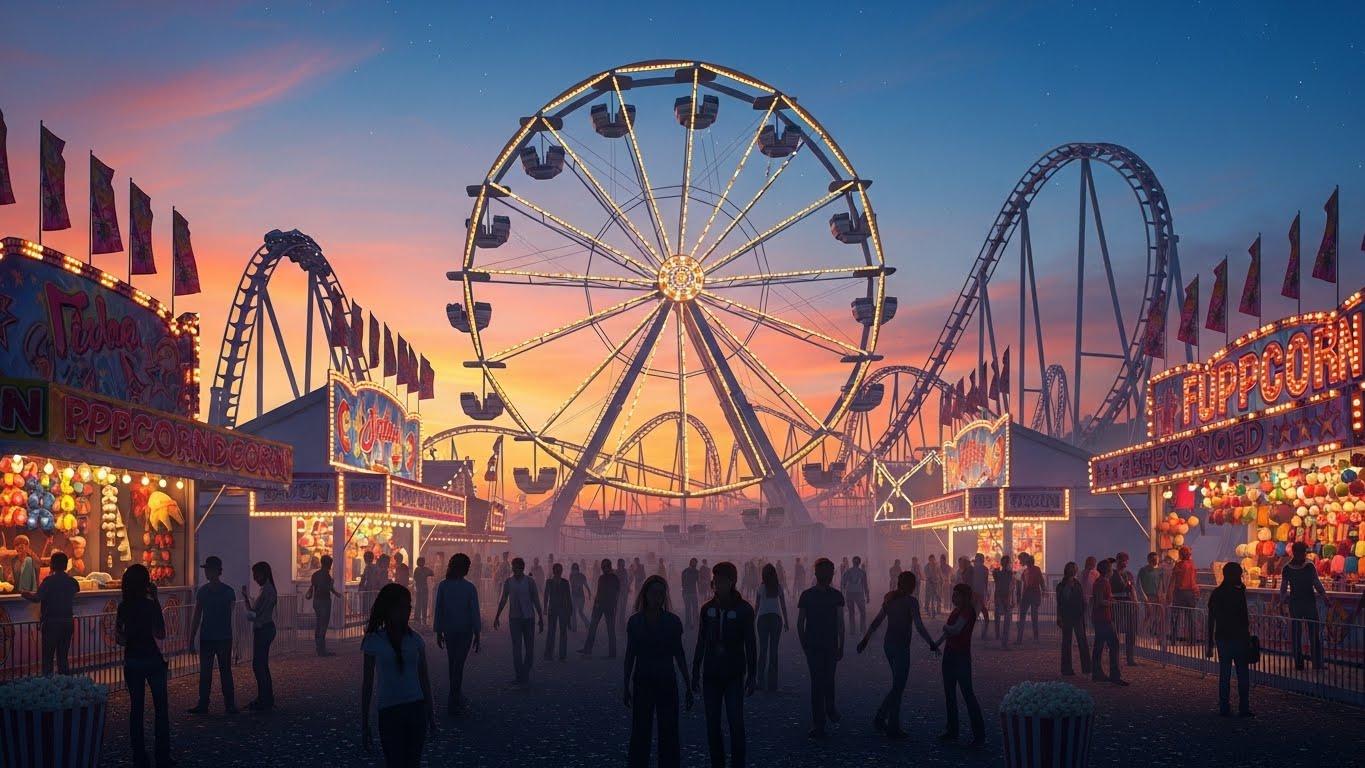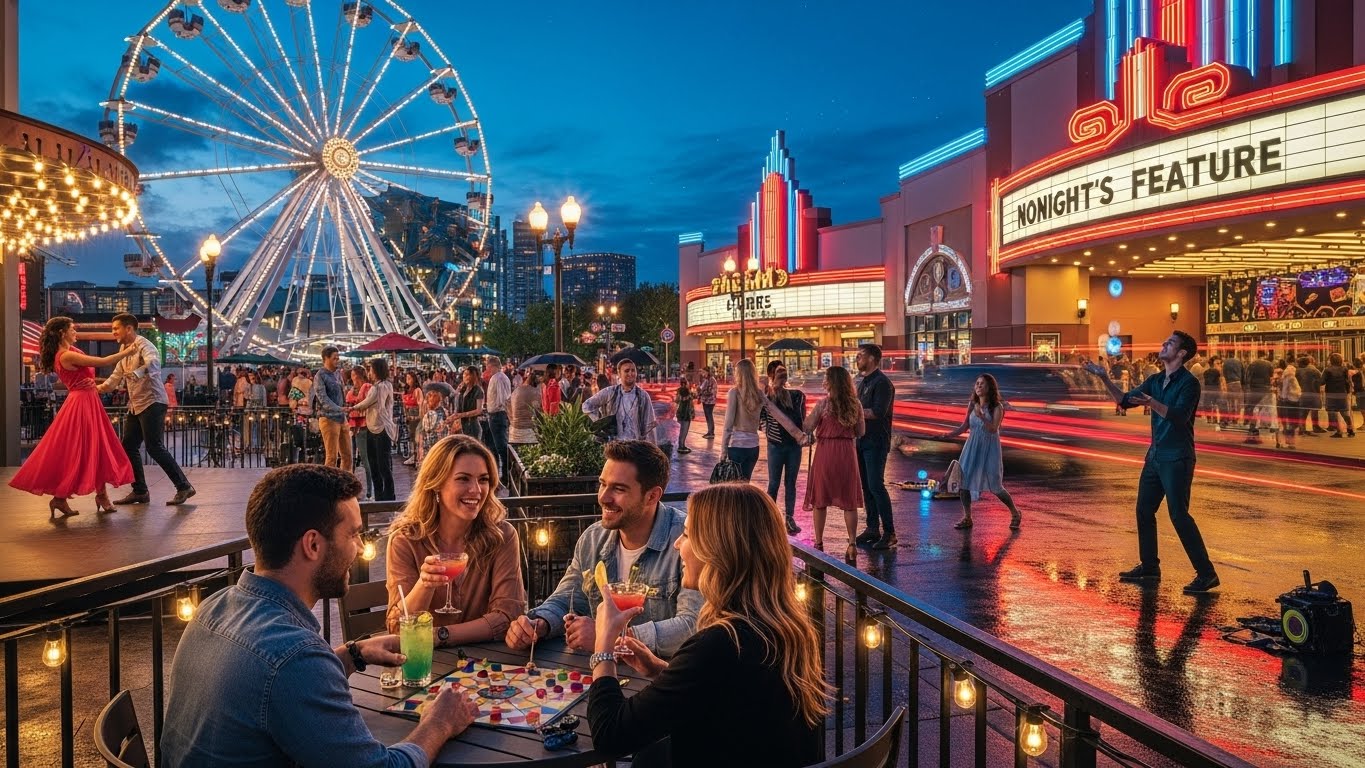
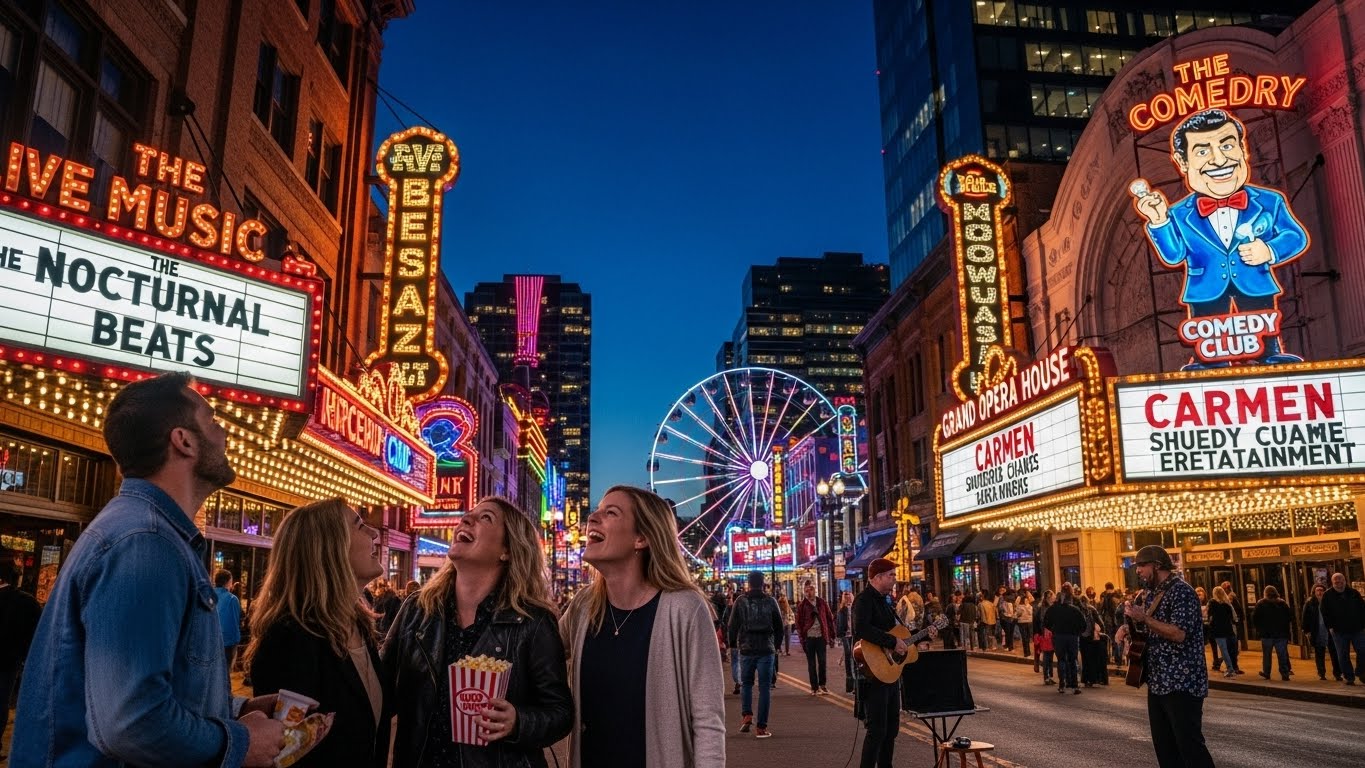
Entertainment is an essential part of human culture. From the days of oral storytelling to the rise of modern media, people have always sought ways to relax, unwind, and engage with the world through various forms of entertainment. Today, the landscape of entertainment is more diverse and dynamic than ever before, driven by technological advancements and changing consumer behaviors. In this blog post, we’ll explore the fascinating evolution of entertainment, the different forms it takes today, and how it continues to shape our daily lives.
The Dawn of Modern Entertainment
The entertainment industry has come a long way from its humble beginnings. Historically, entertainment was largely local, relying on community-based activities such as theater performances, dance, and music. In the early 20th century, with the invention of the radio and television, entertainment began to take on a more mass-market form. These technologies allowed people to experience stories, music, and performances from the comfort of their homes.
Radio, for instance, was the first medium that allowed people to listen to news, music, and dramas while going about their daily routines. Television expanded on this idea, bringing visual elements into the mix. People could now not only hear stories but also see them unfold in front of their eyes, opening up new creative possibilities for filmmakers and television producers.
The Rise of Digital Media
The real turning point in modern entertainment came with the rise of the internet and digital media. By the late 1990s and early 2000s, the internet became a platform for content creation, distribution, and consumption. With the arrival of websites like YouTube, individuals could create and share their own videos, allowing for a democratization of entertainment. No longer were consumers limited to just what traditional media companies produced; anyone with a camera and an internet connection could participate in the entertainment landscape.
The digital revolution didn’t stop with videos. It expanded into music, books, gaming, and even live performances. Digital streaming platforms like Spotify, Apple Music, and Netflix revolutionized the way we access and consume content. The convenience of on-demand streaming gave consumers more control over their entertainment choices, allowing them to watch or listen to whatever they wanted, whenever they wanted. The subscription-based model further emphasized this shift, offering affordable, unlimited access to vast libraries of content.
The Explosion of Content Variety
One of the most significant changes in modern entertainment is the explosion of variety in content. With the growth of digital platforms, the range of available entertainment has expanded dramatically. Television networks and film studios are no longer the gatekeepers of popular culture. Instead, digital content creators and independent filmmakers can produce high-quality, niche content that caters to every possible interest and preference.
This has led to the rise of specialized platforms for different types of content. For example, Twitch offers live-streaming for gamers, while platforms like MasterClass offer online courses from experts in various fields. There are platforms dedicated to anime, true crime podcasts, historical documentaries, cooking shows, and more. The variety is endless, and consumers are now able to access entertainment that speaks directly to their unique tastes.
The Role of Social Media in Shaping Entertainment
Social media has had a profound impact on entertainment, especially in how it is produced and consumed. Platforms like Instagram, Twitter, Facebook, and TikTok have allowed fans to engage with their favorite entertainers directly. They can comment on posts, participate in live-streamed events, and even contribute ideas and feedback that influence the direction of entertainment projects.
Social media also plays a key role in content discovery. Hashtags, recommendations, and viral trends all make it easier for consumers to find new entertainment that they might never have encountered otherwise. Influencers have become a new breed of celebrity, with millions of followers turning to them for recommendations on everything from fashion to video games.
This direct interaction between creators and audiences has led to a new kind of relationship between entertainers and their fans. In many ways, social media has made entertainment more personal and interactive, blurring the lines between the performer and the audience.
The Impact of Streaming Services
The advent of streaming services has had a particularly significant impact on the entertainment industry. Services like Netflix, Amazon Prime, Hulu, and Disney+ have transformed how people watch TV shows, movies, and documentaries. Traditional cable television, with its set schedules and commercials, has taken a backseat to on-demand viewing, where viewers can choose what to watch and when to watch it.
This shift in viewing habits has influenced how content is created. Producers now understand that audiences expect convenience and flexibility. This has led to the creation of entire seasons of shows being released at once, allowing viewers to binge-watch to their heart’s content. The binge-watching culture has become a significant part of modern entertainment, with people consuming entire series in a matter of days or even hours.
Additionally, streaming services have enabled niche content to thrive. Content that was once considered too risky or unconventional for traditional television networks is now being produced in abundance. This has led to a more diverse range of voices in entertainment, from underrepresented communities to unconventional storylines that challenge societal norms.
Virtual Reality and Gaming: The Future of Entertainment
As technology continues to advance, virtual reality (VR) and augmented reality (AR) are beginning to play a more significant role in the entertainment industry. VR gaming, in particular, has become a rapidly growing sector, offering an immersive experience that allows players to enter entirely new worlds. With the rise of VR headsets and platforms like Oculus Rift and PlayStation VR, consumers are exploring new forms of entertainment that blur the line between reality and imagination.
The possibilities of VR are not limited to gaming. Virtual concerts, interactive movies, and immersive experiences are all becoming increasingly popular. Imagine attending a concert from your favorite band without leaving your living room, or watching a movie where you can interact with the characters and environment. As VR technology becomes more sophisticated, these experiences will only become more realistic and engaging.
Augmented reality, on the other hand, is transforming how we interact with our physical environment through entertainment. Apps like Pokémon Go have already demonstrated the potential of AR in gaming, but the possibilities are much broader. AR can enhance live performances, offer interactive educational experiences, and even change the way we shop and experience art.
The Influence of Pop Culture
Pop culture has always been closely linked to entertainment, and in today’s world, it has an even more significant influence. Movies, television shows, music, and video games have become deeply ingrained in our daily lives. They shape our identities, influence fashion trends, and impact social and political conversations.
The influence of pop culture is evident in everything from social media memes to fashion choices. Characters like Spider-Man, Harry Potter, and characters from reality TV shows have become cultural icons, transcending their original medium to become symbols of modern society. Celebrities, musicians, and influencers hold significant sway over consumer behavior, dictating trends in everything from style to lifestyle choices.
The power of pop culture has also led to the emergence of fandoms—dedicated communities of fans who passionately follow and celebrate their favorite shows, movies, books, or creators. These fandoms have become powerful engines of support for entertainment projects, often generating hype before a release and maintaining long-lasting loyalty afterward.
Entertainment’s Role in Mental Health and Wellbeing
Entertainment has also become a tool for improving mental health and well-being. With the stresses of modern life, many people turn to entertainment as a form of escape or relaxation. Whether it’s watching a feel-good movie, playing a video game, or listening to music, entertainment offers people a way to cope with anxiety, stress, and sadness.
In recent years, there has been a growing recognition of how entertainment can contribute to mental health. Podcasts, for example, have been used to discuss mental health openly, providing support and advice for those dealing with various struggles. Online communities also offer spaces where individuals can find support, whether they’re struggling with loneliness, anxiety, or addiction.
Moreover, many content creators have used their platforms to raise awareness about mental health issues and promote positive messages about self-care and well-being. The entertainment industry, in this sense, has become a vital source of comfort and understanding, offering people a way to connect with others who are going through similar experiences.
Conclusion
The entertainment industry has evolved tremendously over the past century, and it continues to change at an unprecedented pace. From the rise of digital platforms to the integration of virtual reality and augmented reality, technology is shaping the future of entertainment in ways we could have never imagined. The diversity of content, the influence of social media, and the expanding reach of streaming services have all contributed to a more personalized and immersive entertainment experience.
As we move into the future, it’s clear that entertainment will continue to play a significant role in our lives. It will evolve, adapt, and grow, but its power to engage, inspire, and connect people will remain at the heart of its purpose. In this ever-changing world of entertainment, the only constant is change—and it’s an exciting time to be a part of this dynamic landscape.