Entertainment, in its many forms, has been a crucial part of human life for centuries. From the earliest cave paintings to the sophisticated digital experiences of today, the ways in which people seek enjoyment, diversion, and engagement have evolved dramatically. Over time, new mediums and technologies have reshaped how we consume entertainment, while also expanding the boundaries of what it means to be entertained.
In this blog post, we’ll explore the dynamic landscape of entertainment, highlighting how traditional forms such as theater, music, and film have evolved and coexisted with the modern digital era of streaming, social media, and gaming. We will look at how entertainment continues to shape culture, influence our behaviors, and even challenge societal norms.
The Traditional Roots of Entertainment
Long before the age of television, social media, and streaming services, entertainment was largely confined to physical and social spaces. It was rooted in live experiences that often brought communities together. Think of the earliest forms of entertainment, such as ancient theatrical performances in Greece or Rome. Plays were not merely a form of entertainment—they were tools for social commentary, political discourse, and public engagement.
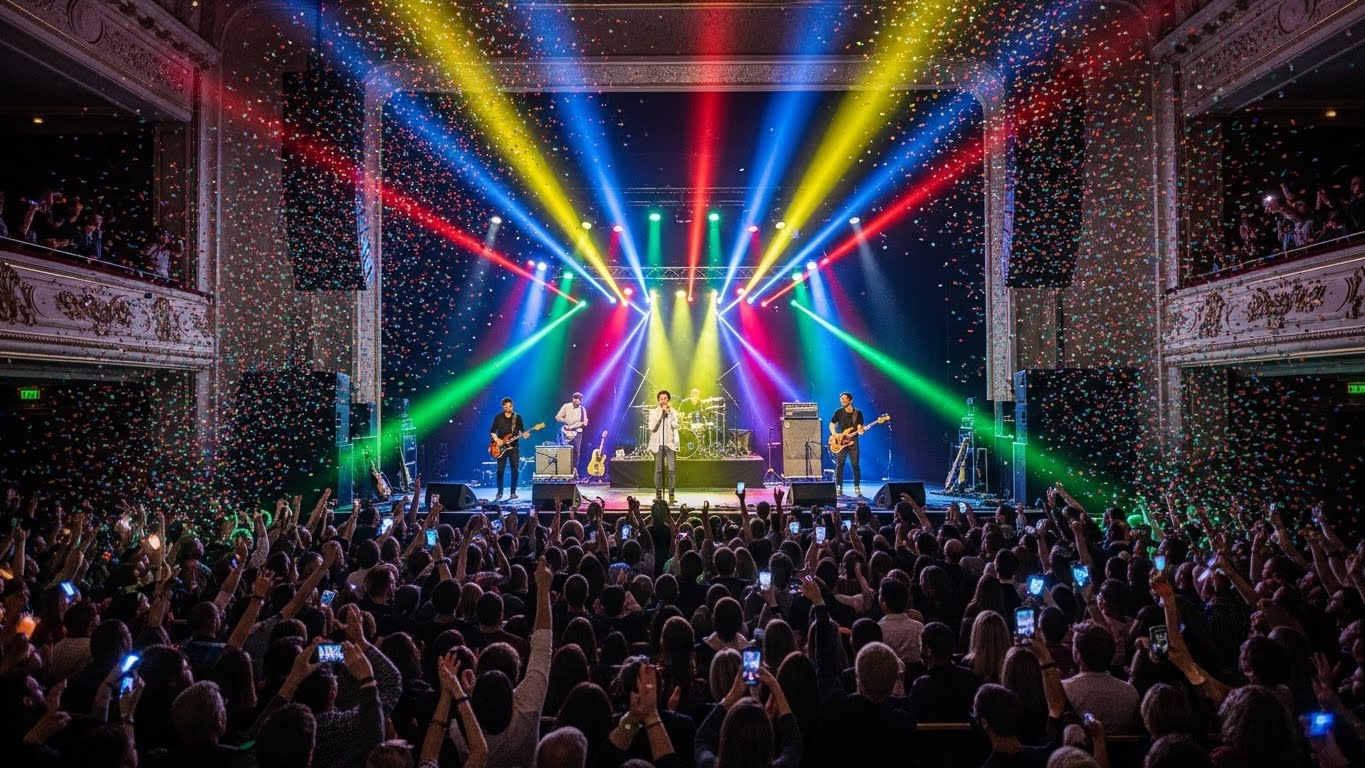
Music also served as a key part of traditional entertainment. Before recorded music, people would gather around campfires, in churches, or at local pubs, sharing songs and rhythms passed down through generations. These communal experiences created connections and solidified the importance of music as a universal language.
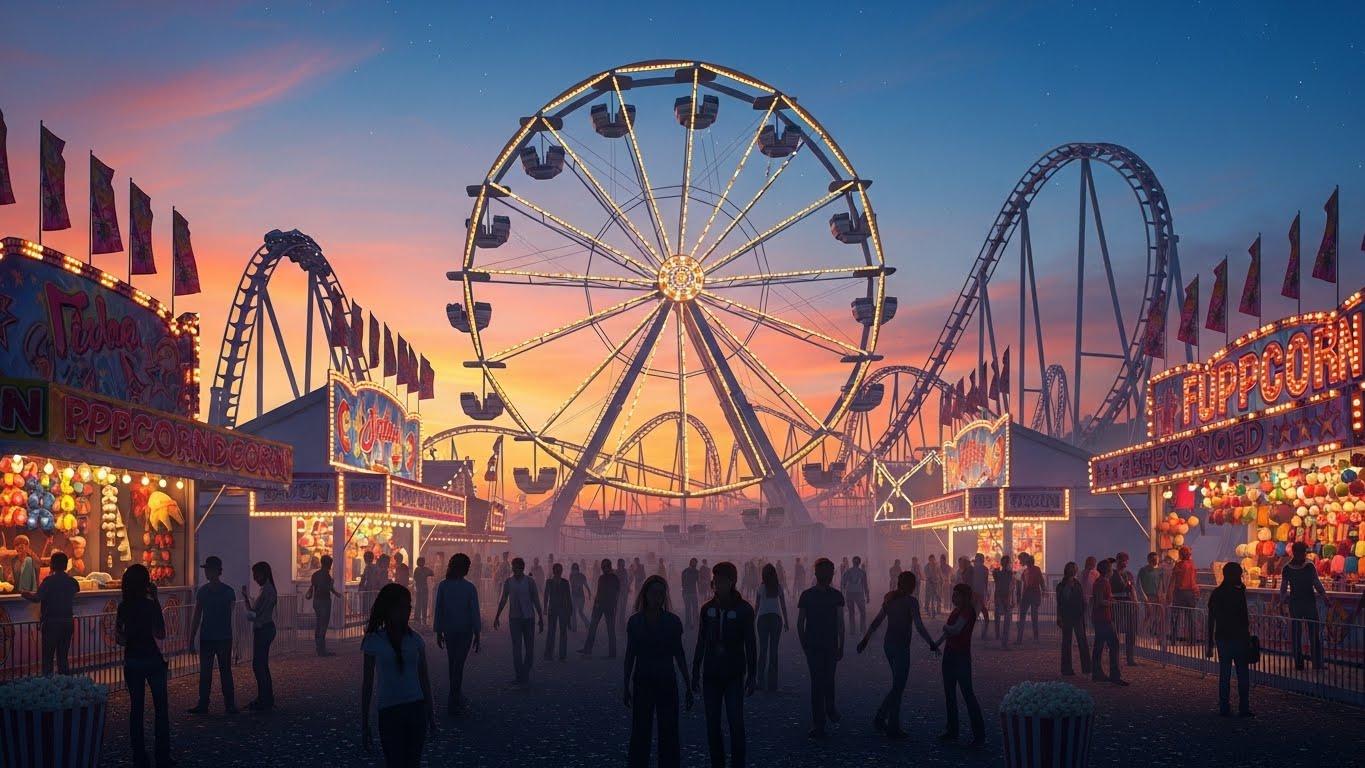
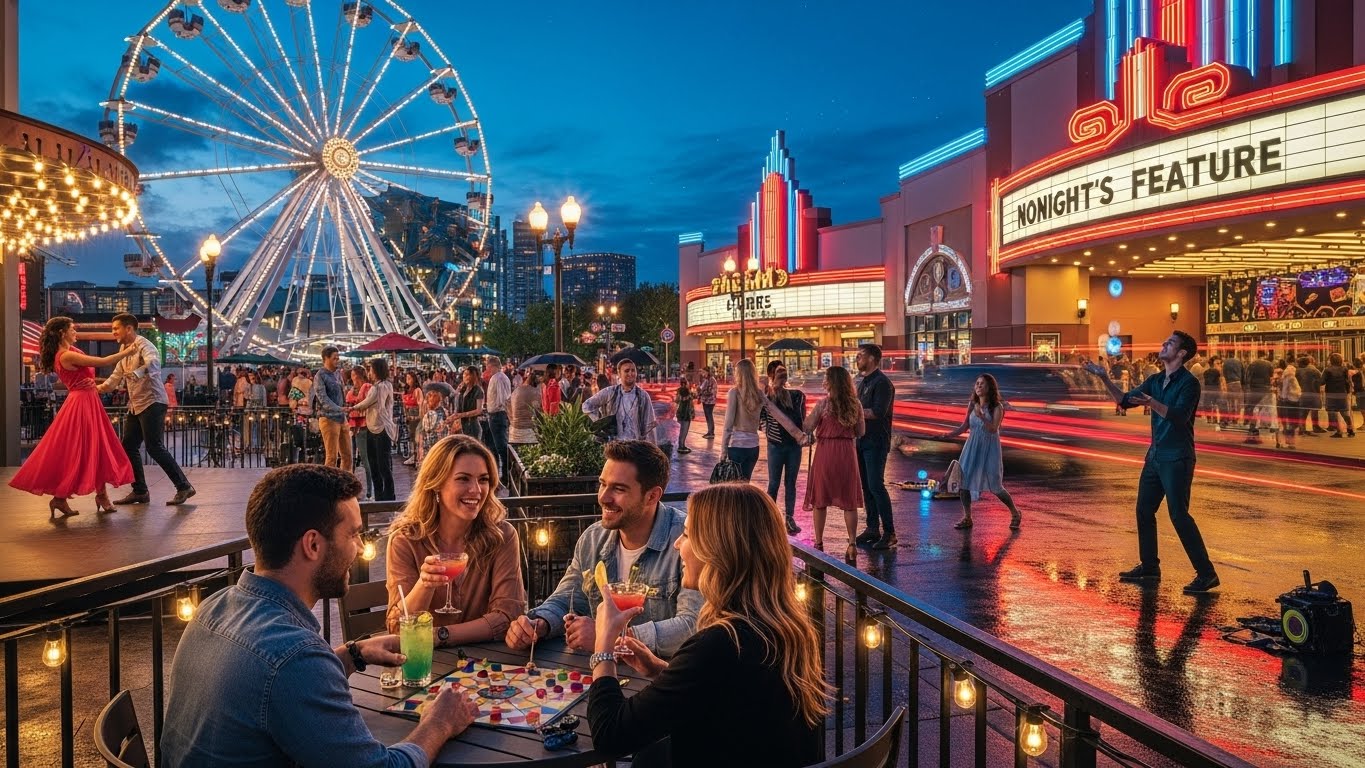
Theaters, concert halls, and circuses became significant landmarks in cities across the world, with people attending live performances of dramas, musicals, and dance routines. These art forms represented not just escapism, but a way for individuals to experience culture and history.
As society developed, new forms of entertainment emerged. The 20th century saw the birth of cinema, radio, and television—each of these mediums bringing a new dimension to how entertainment was experienced by the masses. Yet, even in the modern age, the traditional forms of entertainment—such as attending a concert, watching a live play, or visiting a museum—remain as valuable as ever.
The Rise of Film and Television
As we entered the 20th century, the movie industry changed the very fabric of entertainment. Cinema became the dominant force in entertainment during the 1900s, and it still holds a special place in the hearts of millions of people worldwide. The allure of watching a film in a dark theater, immersed in the art of storytelling, was unlike anything else.
The golden age of Hollywood in the 1930s and 1940s brought about the rise of the movie star, with figures like Humphrey Bogart, Marilyn Monroe, and James Dean becoming cultural icons. The film industry became a powerful force not just for entertainment but for shaping global culture and influencing social issues. Movies like Gone with the Wind, Casablanca, and Citizen Kane were not just box-office successes; they became the standard by which the art of filmmaking was measured.
In parallel, the rise of television in the mid-20th century provided an entirely new form of home-based entertainment. Families would gather around their television sets, watching sitcoms, dramas, and variety shows that reflected their society’s values and norms. Shows like I Love Lucy, The Twilight Zone, and The Ed Sullivan Show were more than just entertainment—they were a mirror of the times.
Television, in many ways, transformed the very nature of family entertainment. It became an escape from the everyday world, a space where people could tune in to the latest news, laugh at the antics of beloved sitcom characters, or become riveted by a compelling drama series.
The Digital Revolution: The Impact of the Internet and Streaming Services
The most profound transformation in entertainment in the past two decades has been the digital revolution. The rise of the internet and the advent of streaming platforms like Netflix, YouTube, and Spotify fundamentally changed how people consume music, television, and film. No longer did people have to wait for a movie to come on TV or purchase an album from a record store. With a few clicks, entertainment was instantly available at the fingertips of millions.
Streaming services have made it easier than ever for audiences to access an extensive library of films, TV shows, and music from anywhere, at any time. Netflix, Amazon Prime, and Disney+ have transformed the television industry, creating the binge-watching culture that is now common. Viewers can watch an entire season of a show in one sitting, allowing for a deeper and more immersive experience than ever before.
Streaming has also disrupted the traditional model of content creation and distribution. Platforms like YouTube have allowed independent creators to produce and share their own content, whether it’s music, tutorials, or entertainment-based vlogs. This democratization of content creation has allowed for the rise of social media influencers who have built substantial followings and carved out careers doing what they love.
Music has undergone a similar transformation with platforms like Spotify, Apple Music, and YouTube, where listeners can instantly access millions of songs and playlists tailored to their preferences. The era of physical music sales is gradually being replaced by digital downloads and streaming, which has redefined the music industry’s revenue models.
Gaming: A New Frontier for Entertainment
Among the most dynamic and rapidly evolving forms of entertainment today is gaming. What was once a hobby relegated to arcades and home consoles has grown into a multi-billion-dollar industry. Gaming now spans various platforms, including consoles, PCs, and mobile devices. And it has extended far beyond casual fun, as competitive gaming and eSports have become major global phenomena.
The global gaming industry’s growth is driven by a combination of technological advances and changing consumer habits. Games like Fortnite, League of Legends, and Minecraft have become cultural touchstones, offering players not just an immersive gameplay experience, but a sense of belonging within vast online communities. Gamers can interact with friends, strangers, and even professional players in real-time, creating a dynamic and ever-evolving form of entertainment.
Gaming has also seen a rise in livestreaming platforms like Twitch, where players broadcast their sessions for a global audience. This new form of entertainment has turned gamers into influencers, allowing them to build large followings, secure sponsorships, and even make a living from gaming itself.
Virtual reality (VR) and augmented reality (AR) are the next frontier in gaming and digital entertainment, offering experiences that push the boundaries of immersion. As the technology improves and becomes more affordable, we can expect even more innovative and captivating experiences in the world of gaming.
The Social Media Revolution: The Rise of User-Generated Content
Another key transformation in the world of entertainment is the rise of social media platforms. Social media has redefined how people interact with content and each other. Platforms like Instagram, TikTok, Twitter, and Facebook have given ordinary people the power to create and share content that can be seen by millions worldwide.
Unlike traditional entertainment, which often involves large production teams, social media allows anyone with a smartphone or computer to become a content creator. Short videos, memes, and viral trends dominate these platforms, with many creators gaining significant followings. Some of these influencers, such as the Kardashians, PewDiePie, and Charli D’Amelio, have turned their social media presence into massive brands, capitalizing on their fame to launch businesses, sell products, or secure sponsorship deals.
The interactive nature of social media also makes it unique. Followers can comment, share, and engage directly with creators, creating a sense of connection and community that traditional forms of entertainment have never been able to offer. While social media has undoubtedly changed the landscape of entertainment, it has also created a new form of entertainment in itself: one that’s driven by user participation, instant feedback, and viral trends.
The Blurring of Boundaries: Multi-Platform Entertainment
Today, entertainment is no longer confined to a single medium or platform. Instead, it’s a multi-platform experience where television, gaming, music, and social media are intertwined. For example, a music video can go viral on YouTube, be shared on Instagram, and be part of a popular TikTok challenge. A movie might have its own video game or tie-in app, and eSports events can be streamed live on platforms like Twitch and YouTube, while also being featured on mainstream television channels.
The lines between entertainment types are increasingly blurred. Many content creators are now spanning multiple platforms, building cross-media empires. Musicians release their tracks on streaming platforms, create music videos, launch merchandise, and interact with fans on social media, creating a holistic entertainment experience for their audience. Similarly, actors, directors, and producers promote films through social media, streaming platforms, and online interviews, extending their reach and influence far beyond traditional outlets.
This convergence of media has led to new and innovative forms of entertainment. Interactive experiences, such as Netflix’s Bandersnatch, where viewers can choose the direction of the story, offer a new kind of engagement. The future of entertainment lies in this fusion of storytelling, gaming, social interaction, and media consumption across different platforms.
Conclusion: The Future of Entertainment
Entertainment has always been an essential part of human life, but the ways in which we consume and experience it are constantly evolving. From its humble beginnings in live performances and community gatherings to the digital era of streaming, gaming, and social media, entertainment continues to adapt to new technologies and societal trends.
Looking forward, we can expect even more innovation in the world of entertainment. Virtual reality, augmented reality, and artificial intelligence are likely to revolutionize the ways in which we interact with entertainment, making experiences even more immersive, interactive, and personalized. As technology advances and new platforms emerge, entertainment will continue to evolve, offering new ways to connect with people, express creativity, and explore the human experience.