
Introduction
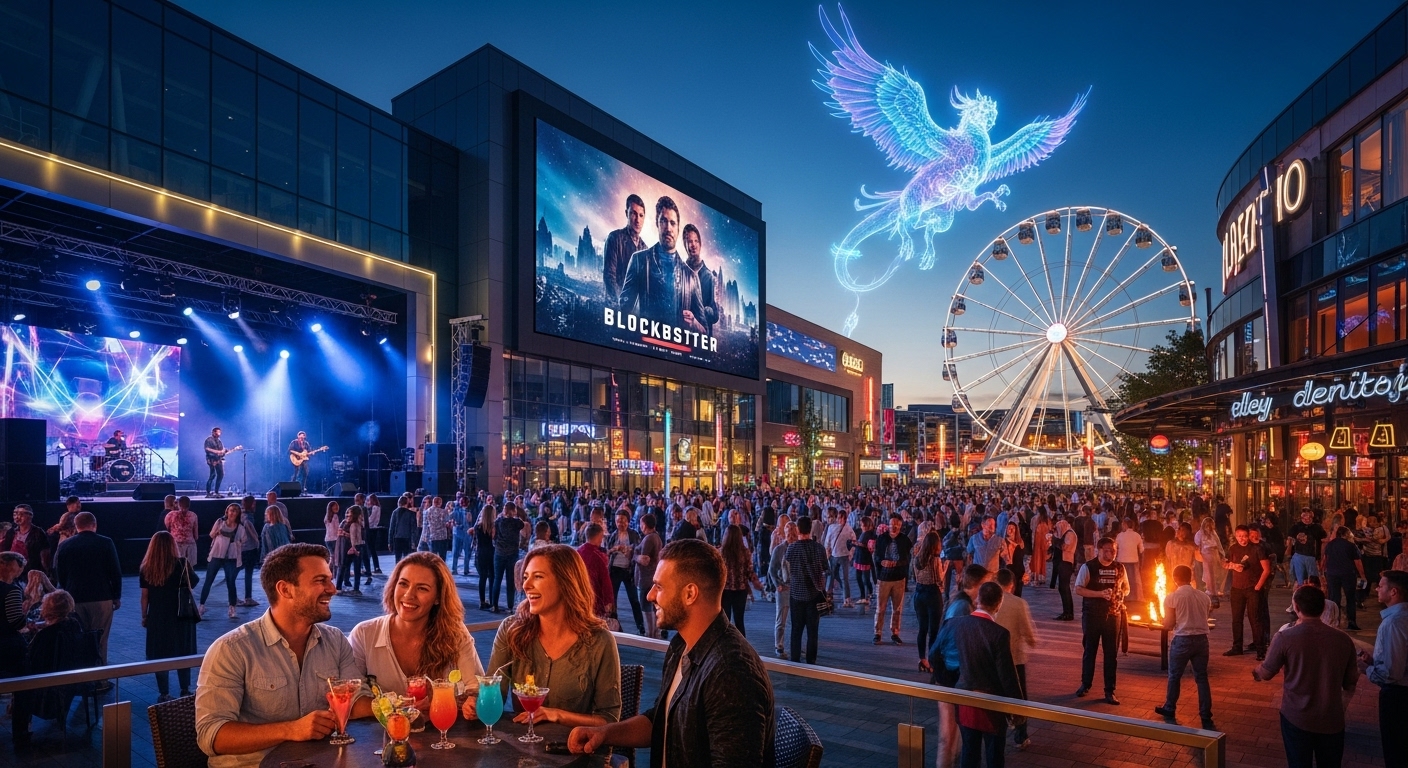
Entertainment has always been more than just a pastime. From the earliest cave paintings and oral storytelling to blockbuster films, music festivals, and immersive digital experiences, entertainment reflects human creativity, societal values, and technological progress. It captivates, inspires, and unites people across generations and geographies. In the modern era, entertainment has evolved into a complex, multi-dimensional industry that touches nearly every aspect of life. This blog explores the past, present, and future of entertainment, highlighting its impact on culture, technology, and the human experience.
The Historical Roots of Entertainment
Entertainment in human history began as a communal and cultural activity. Storytelling, music, dance, and theatrical performances were used to preserve traditions, educate communities, and provide social cohesion. Ancient civilizations celebrated festivals, ceremonies, and performances that combined ritual, drama, and music to engage audiences.
For example, in ancient Greece, theatrical performances like tragedies and comedies served both as artistic expression and as social commentary. In Africa, oral storytelling passed down moral lessons, history, and cultural values through generations. These early forms of entertainment were immersive, participatory, and often shaped community identities.
Over time, these foundations evolved into structured art forms, including classical music, opera, theater, and visual arts, laying the groundwork for modern entertainment industries.
The Impact of Technological Advancements
The 20th century marked a turning point in entertainment with the advent of cinema, radio, and television. Movies created immersive storytelling experiences for mass audiences, while television brought entertainment directly into homes, shaping family routines and cultural norms. These technologies transformed entertainment from local or regional activities into global phenomena.
The rise of digital technology in the 21st century has further revolutionized how audiences consume and interact with entertainment. Streaming platforms, social media, and on-demand services have replaced scheduled programming, offering instant access to vast libraries of content. Audiences can now engage with entertainment on their own terms, creating personalized experiences that were impossible in previous generations.
The Streaming Revolution
Streaming services have become a dominant force in the entertainment industry. Viewers can access movies, series, documentaries, and music anytime, anywhere, leading to the era of binge-watching and personalized playlists. The convenience of streaming has changed the way audiences engage with content, allowing for more control over viewing habits and creating opportunities for niche genres to flourish.
Streaming has also accelerated the globalization of entertainment. Audiences can easily access films, music, and series from different countries, fostering cross-cultural appreciation and expanding creative boundaries. This accessibility encourages the creation of content that reflects diverse perspectives, further enriching global entertainment culture.
The Emergence of Interactive Entertainment
Interactive entertainment has emerged as a cornerstone of modern amusement. Video games, virtual reality experiences, and mobile applications allow audiences to participate actively rather than passively consume content. Video games, in particular, have evolved to feature complex narratives, intricate worlds, and social interactions that rival traditional sports in intensity and engagement.
Virtual reality and augmented reality experiences take immersion to the next level, allowing audiences to enter alternate worlds and interact with stories in unprecedented ways. This form of entertainment blurs the line between the audience and the content, transforming passive viewers into active participants and creating deeply personalized experiences.
Music as a Universal Connector
Music remains one of the most powerful and timeless forms of entertainment. Across generations, music connects people emotionally, culturally, and socially. Every era produces unique sounds that reflect societal moods and values, yet timeless pieces continue to resonate with new audiences.
The evolution of music from live performances to radio, recorded albums, and now streaming platforms has expanded its reach and accessibility. Music festivals and live concerts provide communal experiences, while digital platforms allow fans to engage with artists and share musical experiences worldwide. Music’s ability to evoke emotion, tell stories, and unite audiences across cultures ensures its continued relevance in modern entertainment.
Film and Television in the Digital Age
Film and television remain central to global entertainment, combining visual storytelling, music, and artistic expression. Blockbuster films continue to captivate mass audiences, while independent films and documentaries explore niche topics, providing cultural insight and diverse storytelling.
Television has transformed from a limited channel model to an on-demand ecosystem. Viewers can now explore specialized content, international series, and documentaries at their convenience. This shift empowers audiences to discover and support content that resonates personally, while creators can experiment with storytelling techniques that challenge traditional norms.
Celebrity Culture and Entertainment Influence
Entertainment shapes culture not only through content but also through the personalities that bring it to life. Celebrities influence fashion, language, lifestyle choices, and social attitudes. In the digital era, influencers, actors, musicians, and creators interact directly with fans through social media, offering insights into their lives, values, and work.
This direct connection has democratized fame and redefined celebrity culture. Audiences now have access to personalities beyond their performances, which strengthens emotional connections and loyalty. Entertainment, in this sense, is as much about relationships and engagement as it is about the content itself.
The Cultural Significance of Gaming
Gaming has evolved into a major entertainment platform with cultural, social, and economic significance. Beyond leisure, video games foster teamwork, strategy, creativity, and problem-solving skills. Competitive gaming and esports have emerged as professional pursuits, turning dedicated players into global icons.
Multiplayer games and online communities create spaces for socialization, collaboration, and shared experiences. Gaming culture impacts fashion, language, and art, demonstrating how entertainment can influence broader societal trends. The growth of gaming exemplifies the shift from passive consumption to interactive engagement in modern entertainment.
Entertainment as Social Connection
Entertainment serves as a social glue, bringing people together and fostering shared experiences. Whether attending a live concert, watching a popular film, or participating in online gaming communities, entertainment creates opportunities for social interaction and bonding.
It also plays a critical role in social commentary and advocacy. Films, music, and theater often highlight societal issues, prompting reflection, dialogue, and sometimes action. Entertainment can challenge norms, inspire empathy, and spark cultural movements, showing that amusement can coexist with deeper social significance.
Economic Impact of Entertainment
The entertainment industry is a global economic powerhouse, generating revenue from ticket sales, streaming subscriptions, live events, merchandise, advertising, and more. It creates millions of jobs, stimulates tourism, and drives innovation in technology and media.
Digital platforms and independent creators have democratized the industry, allowing new voices to emerge without traditional gatekeepers. Crowdfunding, social media, and streaming services enable creators to connect directly with audiences, further diversifying content and generating economic opportunities beyond traditional entertainment models.
Challenges Facing the Industry
Despite its growth, the entertainment industry faces several challenges. Rapid technological change requires constant innovation, while piracy, changing consumer preferences, and intense competition demand adaptability. Content creators must balance originality with audience expectations, maintaining quality while embracing new formats and platforms.
Ethical considerations, such as representation, accessibility, and mental health impacts, are increasingly important. Ensuring that entertainment remains inclusive, responsible, and meaningful is essential for sustaining its relevance in society.
The Future of Entertainment
The future of entertainment is poised for continued innovation. Virtual reality, augmented reality, and artificial intelligence will create more immersive, personalized experiences. Cross-platform integration will blend film, music, gaming, and social interaction, offering audiences holistic entertainment experiences.
As technology advances, entertainment will continue to reflect cultural trends, spark creativity, and unite communities. It will adapt to new societal needs while retaining its core function: to captivate, inspire, and connect people across the globe.
Conclusion
Entertainment is a reflection of human imagination, culture, and social connection. From ancient storytelling to digital experiences, it has evolved in form, accessibility, and impact. Music, film, television, gaming, and interactive media continue to influence culture, inspire creativity, and foster social bonds.
As audiences embrace new technologies and diverse content, the entertainment industry will continue to innovate and expand. Its role as a source of joy, inspiration, and cultural dialogue ensures that it will remain an integral part of human life. Modern entertainment proves that while formats change, the human desire to be moved, connected, and entertained remains constant.