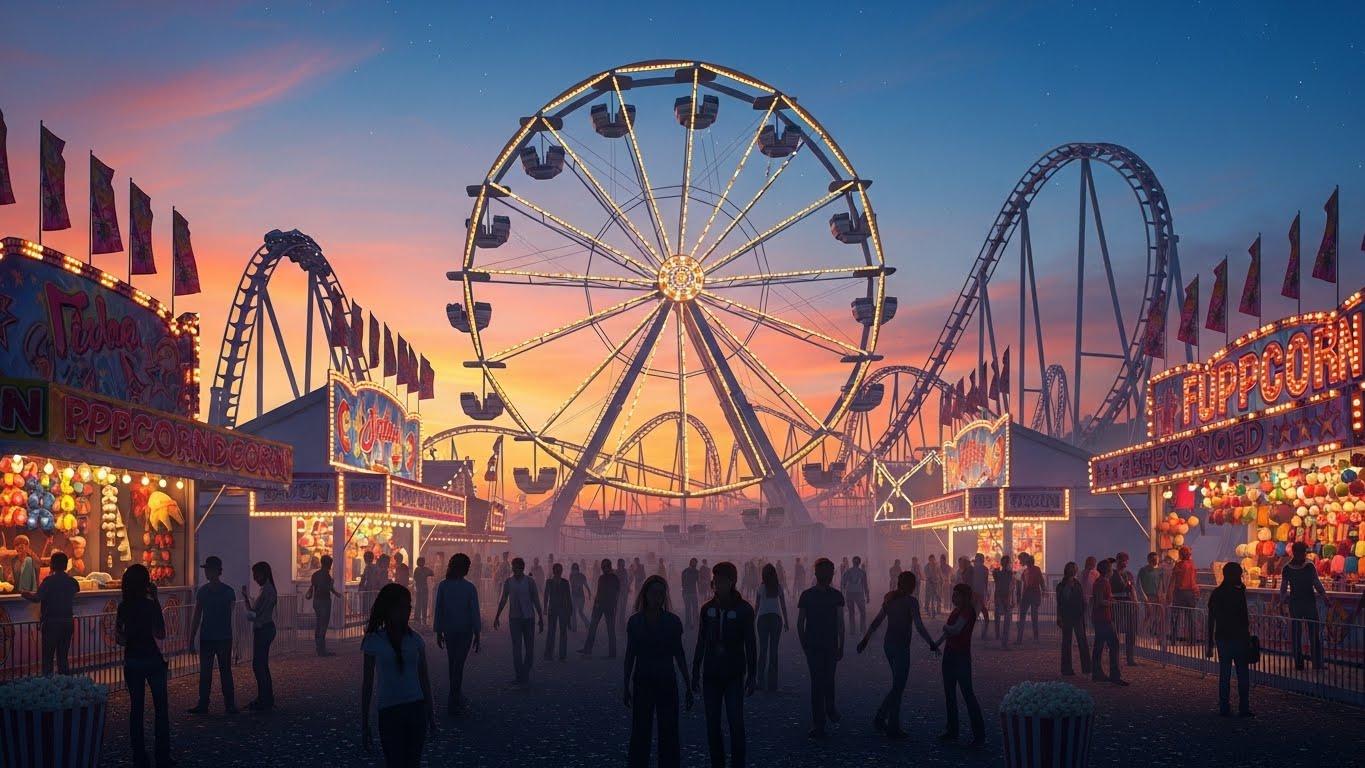
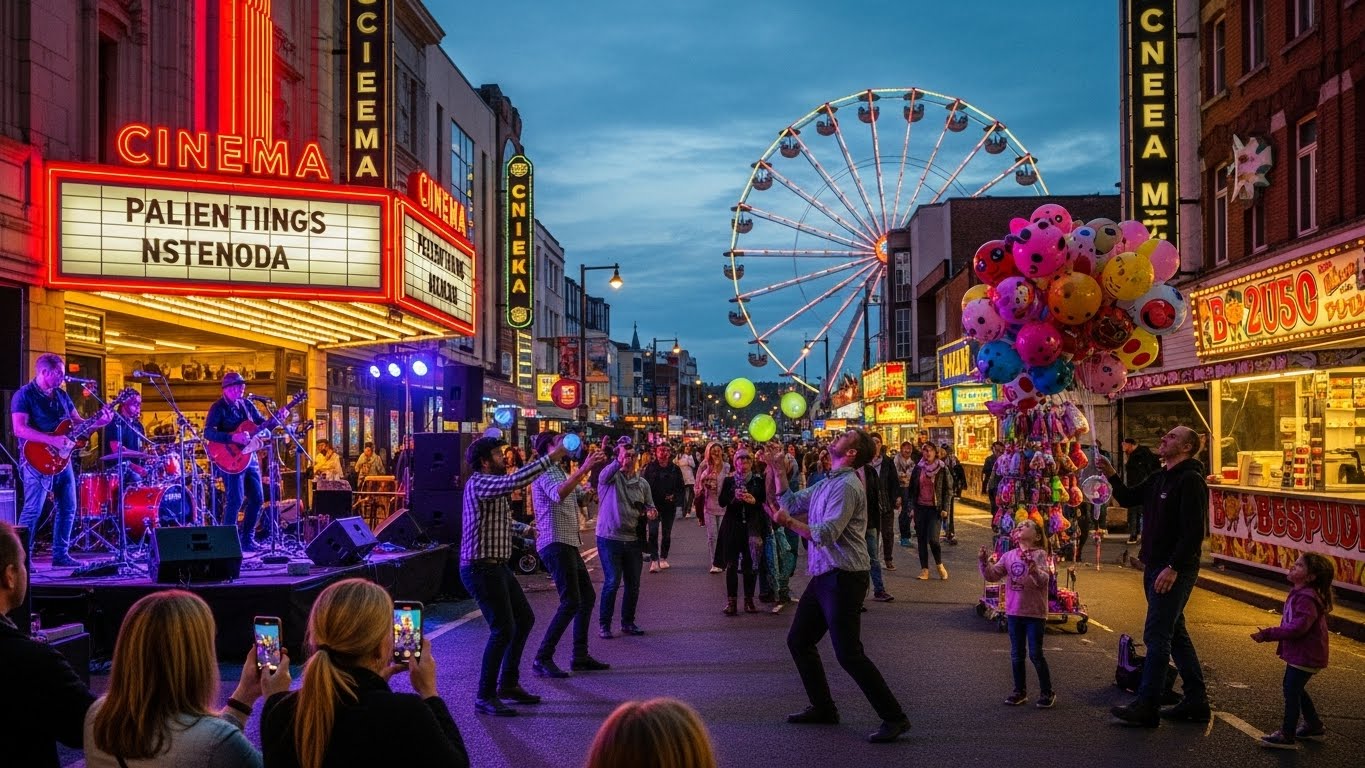
Entertainment has become an essential part of daily life, offering joy, relaxation, and emotional connection in ways that were once unimaginable. Whether through movies, music, games, performances, or digital content, entertainment helps people escape the pressures of reality and step into worlds filled with creativity and inspiration. In this blog, we will explore the evolution of entertainment, its cultural influence, its psychological effects, and its role in shaping the future of human experiences.
The Evolution of Entertainment Through the Ages
Entertainment has existed since ancient times. Long before cinema screens and digital platforms, people found joy in storytelling, dancing, music, and live performances. Ancient civilizations used entertainment as a way to celebrate victories, honor traditions, and express emotions. Dramatic plays in ancient Greece, traditional dances in Asia, and poetic storytelling in the Middle East all served as early foundations of what entertainment eventually became.
Over centuries, entertainment evolved with technological advancements. The invention of the printing press allowed written stories to reach wider audiences. The introduction of radio brought music and spoken storytelling into homes. Television revolutionized visual entertainment. Today, we live in a digital world where content is available instantly, giving rise to a new era where entertainment is more varied and accessible than ever before.
The Power of Storytelling in Entertainment
Storytelling remains at the heart of nearly every form of entertainment. Whether it’s a movie that evokes laughter, a song that brings back memories, or a novel that transports readers to another world, storytelling connects deeply with human emotions. Stories allow people to reflect on their own experiences, understand different perspectives, and explore themes like love, loss, courage, and hope.
Movies and television series bring stories to life through visual and emotional expression. They create characters audiences relate to and worlds that spark imagination. Even modern digital content such as short videos and animated clips follows a structure of storytelling, proving that its importance remains unchanged despite evolving formats.
Music as a Universal Language of Entertainment
Music is one of the most powerful forms of entertainment because it transcends language, culture, and background. A melody can evoke emotion, inspire creativity, or provide comfort during difficult times. Music influences moods, energizes people during celebrations, and helps them express emotions that words cannot fully capture.
Over time, musical entertainment has evolved into countless genres, each with its unique flavor and fan base. From classical orchestras to pop hits, from traditional folk songs to modern electronic beats, music continues to shape cultural identity around the globe. Live performances, concerts, and festivals create unforgettable moments, bringing people together in shared emotional experiences.
The Role of Cinema in Cultural Expression
Cinema is one of the most influential forms of entertainment. It is a powerful medium for storytelling, artistic expression, and cultural reflection. Films capture emotions, portray societal issues, showcase different lifestyles, and introduce audiences to diverse perspectives.
Cinemas have historically been places where people gather not only to watch movies but to enjoy the communal experience of reacting to scenes together. Even with the rise of digital streaming, the charm of cinema remains strong because of its immersive storytelling, visual brilliance, and emotional impact. Films inspire conversations, challenge ideas, and leave audiences with lasting impressions.
Television and the Rise of Multi-Genre Entertainment
Television changed the entertainment landscape by bringing a wide range of content into people’s homes. From dramas and sitcoms to reality shows and documentaries, television created opportunities for different formats to be explored. It provided a platform for news, sports, education, and entertainment all in one place.
Today, television continues to evolve through digital platforms and on-demand services. Audiences can watch anything at any time, allowing entertainment to fit seamlessly into daily routines. The flexibility and diversity of content ensure that every viewer finds something that resonates with their interests.
Live Entertainment and Human Connection
Despite advances in technology, live entertainment still holds a special place in human society. Concerts, theater performances, stand-up comedy, sports events, and cultural festivals offer something digital experiences cannot fully replicate: genuine human connection.
When people gather to watch a live performance, they share emotions, reactions, and excitement in real time. The energy of a crowd, the skill of performers, and the unpredictability of live moments make these experiences memorable. Live entertainment is not just about watching an event; it is about connecting with others through shared experiences.
Digital Entertainment and the Modern Lifestyle
Digital entertainment has redefined how people consume content. Smartphones, tablets, and computers have turned entertainment into a constant companion. Social media, streaming platforms, digital art, podcasts, and online communities provide endless content catering to every taste.
Short-form videos have become a popular trend, offering quick and enjoyable bursts of entertainment that fit into busy lifestyles. Online creators have become influencers with loyal fan bases, using creativity to entertain millions. Digital entertainment also offers opportunities for anyone to create content, making it more inclusive than ever before.
The Psychology Behind Entertainment
Entertainment plays a crucial role in mental and emotional well-being. It provides a break from stress, anxiety, and routine. Watching a comedy, listening to a favorite song, or engaging in a fun activity can instantly uplift the mood.
Entertainment also helps people process emotions. Sad films allow individuals to release feelings, while inspiring stories motivate viewers to pursue their dreams. Music therapy and art therapy demonstrate the psychological benefits of creative entertainment. The emotional impact of entertainment is one of the reasons it remains deeply woven into everyday life.
Entertainment as a Source of Creativity
Entertainment fuels creativity in individuals of all ages. Movies inspire filmmakers, music inspires performers, and books inspire writers. Even digital entertainment such as animation and gaming pushes creative boundaries by blending art with technology.
Creativity flows in both directions: while entertainment inspires audiences, audiences also contribute to the creative world. Fan art, fan fiction, dance covers, cosplay, and online reviews are examples of how people engage with entertainment creatively, turning fandom into a form of self-expression.
Cultural Influence and Social Impact
Entertainment shapes culture, identity, and social values. Popular films, music trends, fashion styles, and online challenges influence how people think, behave, and interact. A single successful movie or viral video can spark global conversations, inspire movements, or introduce new styles.
Entertainment also plays a role in raising awareness of real-world issues. Documentaries, social dramas, and artistic performances often highlight social injustice, environmental concerns, and cultural diversity. Through entertainment, complex topics become more accessible to the general public.
The Business of Entertainment
Entertainment is not just an artistic field; it is a massive industry that generates revenue worldwide. Film studios, record labels, entertainment companies, event organizers, streaming platforms, and content creators all contribute to a thriving economic ecosystem.
This industry creates countless job opportunities, from actors and musicians to scriptwriters, designers, technicians, marketers, and producers. The business side of entertainment continues to expand as new technologies and platforms emerge.
The Future of Entertainment
The future of entertainment promises even more innovation. Advances in virtual reality, augmented reality, artificial intelligence, and interactive content will revolutionize how people experience entertainment. Audiences will be able to interact with stories, step inside virtual worlds, and personalize their entertainment like never before.
Digital creators will continue shaping trends, while traditional entertainment will blend with modern formats. The lines between audience and performer will blur as interactive and participatory entertainment becomes more common. The future of entertainment will be more immersive, engaging, and diverse than anything seen before.
Conclusion: Why Entertainment Matters
Entertainment is more than leisure; it is a vital part of life. It brings happiness, inspires creativity, strengthens culture, and connects people across the world. Whether through music that touches the soul, movies that spark imagination, or digital content that brings laughter, entertainment shapes human experiences in powerful ways.
As entertainment continues to evolve, it will remain a source of joy, creativity, and connection for generations to come. It will always be the escape people seek, the inspiration they need, and the shared experience that unites them in a world full of endless possibilities.