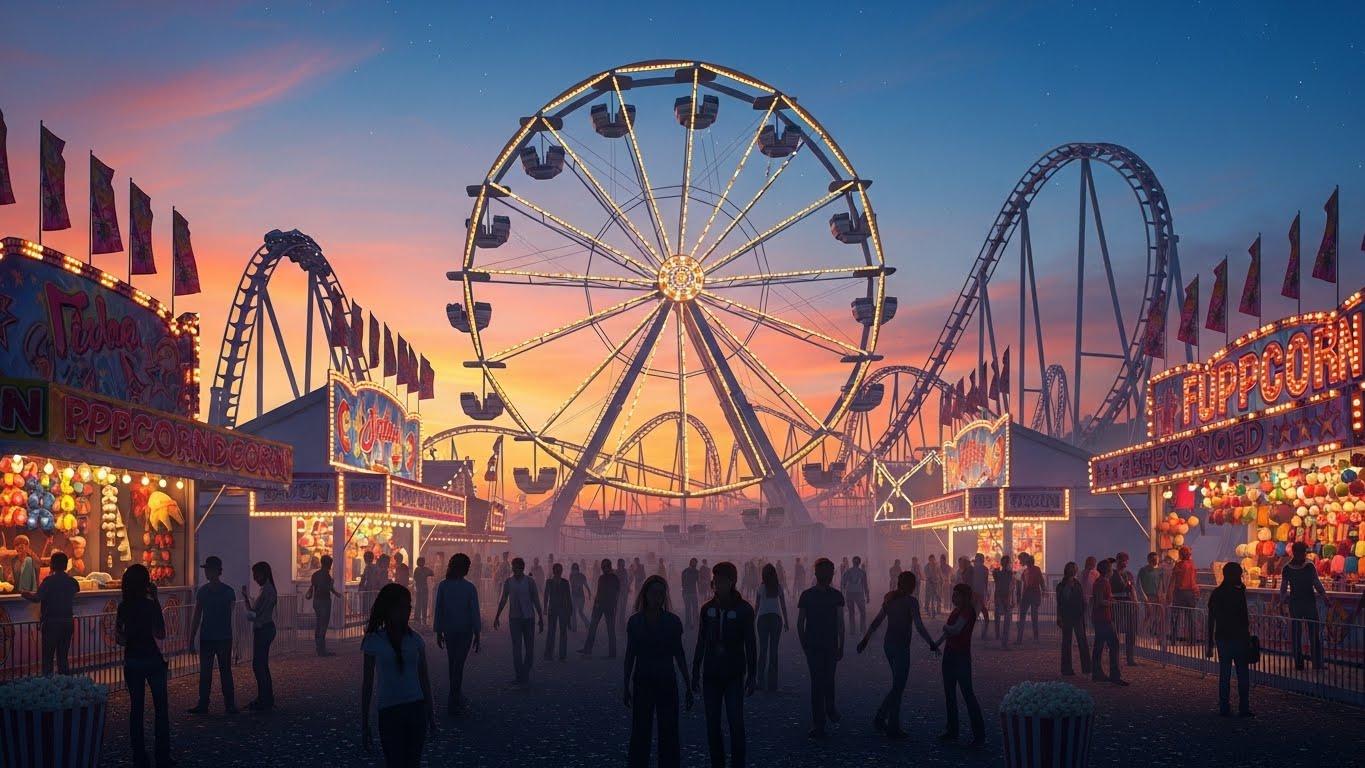

Entertainment has always been an integral part of human culture, evolving with time, technology, and society’s needs. From ancient storytelling around the fire to the interactive digital experiences of today, the entertainment landscape has undergone a profound transformation. This post explores the evolution of entertainment, how it has shaped human culture, and where it is heading in the digital age.
The Beginnings: Oral Traditions and Physical Performances
Long before the rise of modern technology, humans sought entertainment in simple yet deeply engaging ways. Storytelling around campfires, in caves, or through oral traditions passed down generations, served as one of the earliest forms of entertainment. These stories, whether myths, fables, or legends, provided both amusement and lessons on morality, history, and life.
In ancient civilizations, entertainment took physical form through live performances. Theatres in ancient Greece and Rome hosted dramas and comedies that captivated large audiences. Gladiator games, chariot races, and other public spectacles were not only entertainment but also political tools used to maintain social order and display the power of the state. These early forms of entertainment were highly communal, bringing people together in shared experiences.
The Birth of Mass Media: Radio, Movies, and Television
The 20th century saw the birth of mass media, which revolutionized entertainment. The invention of the radio brought the first wave of broadcast entertainment to the masses. People could now listen to music, news, and drama from the comfort of their homes. By the 1930s, the radio became a household staple, with families gathering around the radio to hear their favorite shows, making it an essential part of daily life.
However, the next big leap came with the advent of motion pictures. The movie industry began to take shape in the early 20th century, with Hollywood becoming the epicenter of the global film industry. Movies provided a new form of escape, telling stories that could transport viewers to different worlds, times, and experiences. As technology improved, so did the cinematic experience, with sound, color, and eventually special effects pushing the boundaries of what was possible on screen.
Television followed closely behind as a major player in the entertainment world. By the 1950s, television sets had become ubiquitous in American homes, transforming how people consumed entertainment. The ability to watch live events, news, and scripted content from the comfort of one’s living room provided a level of convenience and reach that had never been seen before.
The Digital Revolution: Rise of the Internet and Video Games
By the late 1990s and early 2000s, a new era of entertainment began with the rise of the internet. The internet changed everything—from how we access information to how we interact with others. Entertainment was no longer confined to traditional platforms like radio, movies, and television. Streaming, online gaming, social media, and digital content creation emerged as dominant forces.
Streaming services like Netflix and YouTube revolutionized the way people consumed television and film. With the click of a button, viewers could access an entire library of content, eliminating the need for scheduled programming. The era of on-demand entertainment had begun, and the power was now in the hands of the audience.
Video games, once a niche hobby, exploded into a global industry. What began as simple arcade games transformed into immersive, complex worlds with rich storylines, high-end graphics, and multiplayer features. The gaming industry now rivals Hollywood in terms of revenue, with titles like “Fortnite,” “Call of Duty,” and “The Legend of Zelda” becoming cultural phenomena.
Social media platforms like Facebook, Instagram, and Twitter also contributed to the entertainment landscape, creating new ways for people to connect, share, and consume content. Influencers, vloggers, and content creators gained immense popularity, further blurring the lines between traditional media and user-generated content.
The Rise of Interactive and Virtual Entertainment
As technology advanced, entertainment became more interactive and immersive. Virtual reality (VR) and augmented reality (AR) technologies began to reshape how we experience entertainment. VR allows users to step into entirely new worlds, where they can interact with their surroundings and engage in experiences that feel real. AR, on the other hand, overlays digital content onto the real world, enhancing everyday experiences with gaming, education, and entertainment.
VR gaming, in particular, offers an unprecedented level of immersion. Players no longer watch the action unfold on a screen—they are physically present in the environment, controlling their movements, interacting with objects, and experiencing the story firsthand. The potential for VR in entertainment is enormous, with applications ranging from video games to virtual concerts and even virtual travel.
Streaming platforms like Twitch have also capitalized on the interactive nature of modern entertainment, allowing users to engage with their favorite streamers in real-time. Viewers can influence the game a streamer is playing, ask questions, and participate in live chat discussions, creating a more engaging and dynamic form of entertainment.
The Future of Entertainment: AI, Personalized Experiences, and Beyond
Looking ahead, the future of entertainment seems limitless, with emerging technologies and trends continuing to reshape the way we consume and create content. Artificial intelligence (AI) is playing an increasingly significant role in entertainment, from AI-generated music and films to personalized recommendations and content curation.
One of the most exciting developments in AI-driven entertainment is the rise of personalized experiences. With the help of algorithms, platforms like Netflix and Spotify can tailor recommendations based on your viewing or listening habits. But this is just the beginning. In the future, entertainment might become even more customized, with interactive films or shows where viewers’ choices shape the narrative in real-time, leading to endless story possibilities.
AI is also being used to enhance the creative process. Deep learning algorithms can generate art, music, and even scriptwriting, opening up new avenues for creators. While this raises questions about the role of human creativity, it also promises to expand the boundaries of what’s possible in entertainment.
Blockchain technology could also have a profound impact on the entertainment industry, particularly in areas like digital rights management and content distribution. With blockchain, creators can retain ownership of their work, ensuring they are fairly compensated for their efforts. It could also revolutionize the way content is shared and consumed, allowing for decentralized platforms that provide more transparency and control to both creators and consumers.
The Social Aspect of Entertainment: Connecting People
While technology has revolutionized entertainment, one thing has remained constant: the desire to connect with others. Entertainment is inherently social, whether it’s sharing a favorite movie with friends, watching a live sports game, or participating in a virtual concert. The way we connect with others through entertainment continues to evolve, especially in the digital age.
Social media has enabled people to connect with others across the globe, forming communities around shared interests. Platforms like TikTok, YouTube, and Twitter allow creators to reach global audiences instantly, fostering new forms of fandom and celebrity. Video games, too, have become more social, with online multiplayer games enabling players to team up or compete with others in real time.
Live streaming, virtual concerts, and events have further amplified the social aspect of entertainment. During the COVID-19 pandemic, for example, virtual concerts and online gatherings became vital ways for people to stay connected while being physically apart. These events proved that entertainment can still bring people together, even in times of social distancing.
Conclusion: Entertainment’s Ever-Changing Landscape
The world of entertainment has come a long way from its humble beginnings in oral traditions and physical performances. Today, entertainment is a multifaceted industry that spans traditional media, video games, streaming platforms, and immersive virtual experiences. Technology has continually reshaped how we consume and interact with entertainment, and there’s no sign of it slowing down.
As we look to the future, it’s clear that entertainment will only continue to evolve. AI, VR, and blockchain hold immense potential to transform how we create, share, and experience entertainment. And while the mediums may change, one thing remains true: entertainment will always be a fundamental part of the human experience, offering a means of escape, connection, and expression.
The next chapter in the story of entertainment is being written right now—and it promises to be one of boundless creativity, interactivity, and innovation.