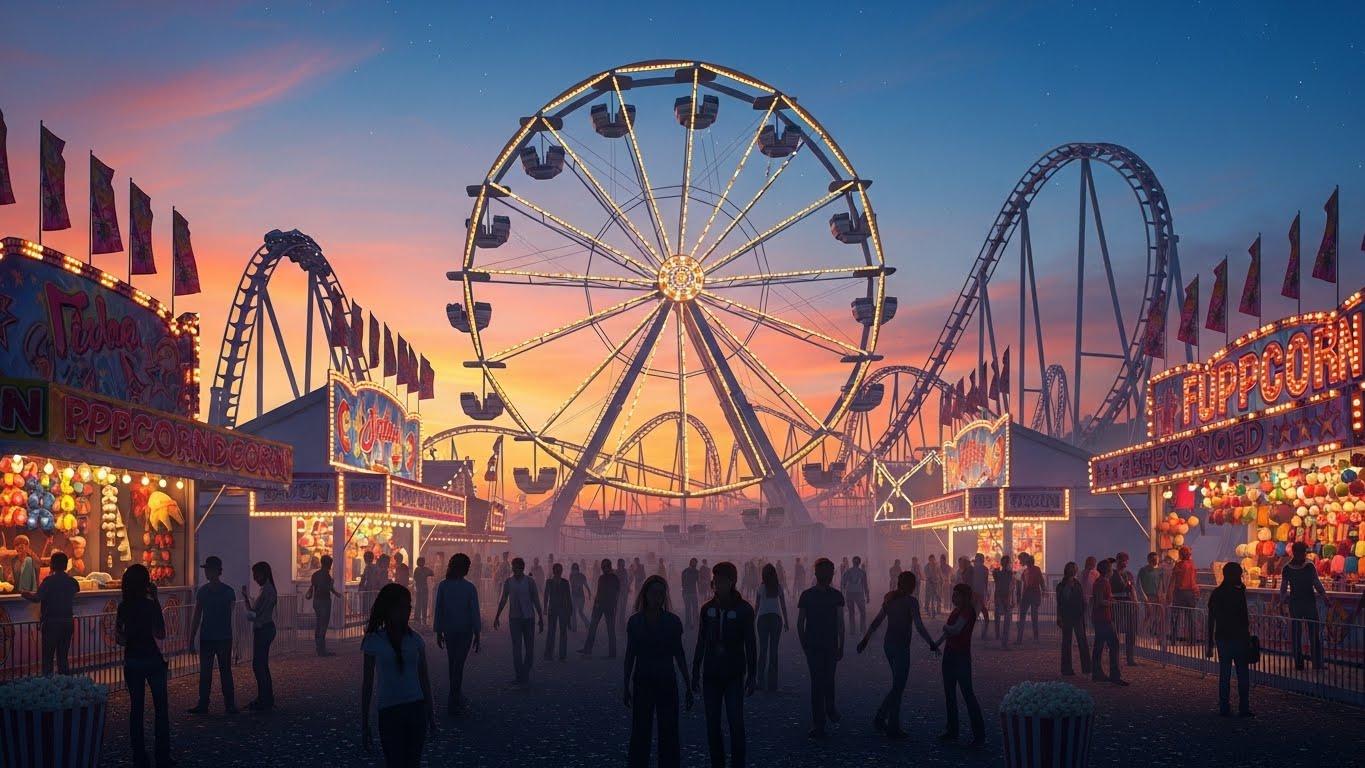

Entertainment has always been an integral part of human society. It transcends time and culture, serving as both a source of joy and a reflection of the values, fears, and dreams of societies. From ancient rituals and oral storytelling to today’s digital streaming platforms and interactive experiences, entertainment has evolved dramatically. This blog post will explore how entertainment has transformed throughout history, its impact on society, and how technological advancements are shaping its future.
Early Forms of Entertainment: Rituals, Storytelling, and Performance
Long before the advent of recorded history, human beings used entertainment as a way to communicate, educate, and connect with each other. Early forms of entertainment were deeply intertwined with culture, religion, and survival. In ancient tribes, music, dance, and theatrical performances played a role in rituals, celebrating everything from harvest festivals to the changing seasons. These rituals weren’t just for amusement—they often had spiritual or communal significance, bringing people together and reinforcing social bonds.
Storytelling was also a primary form of entertainment. Before written language, oral storytelling traditions were essential for preserving history and transmitting knowledge. Epic tales of heroes, gods, and mythical creatures were passed down from generation to generation, often through the voices of skilled storytellers who captivated audiences with their voices, gestures, and expressions. These early forms of entertainment laid the groundwork for many of the storytelling methods we enjoy today in books, film, and television.
As societies developed, so did entertainment. The ancient Greeks are often credited with formalizing the concept of theater with the creation of structured plays. Greek tragedies, comedies, and dramatic performances became a cornerstone of culture, especially during religious festivals. Theater, in its early form, was a way for societies to engage with moral, philosophical, and social issues while simultaneously offering a form of escape and entertainment. This blend of thought-provoking content with engaging performances became a hallmark of entertainment for centuries.
The Renaissance and the Golden Age of Theater
The Renaissance period, which spanned from the 14th to the 17th century, was another transformative era for entertainment. This was the time when entertainment became a more public, organized, and professional affair. With the rise of cities, theaters, and the patronage of the arts, performances began to reach wider audiences. Artists, playwrights, and musicians were supported by wealthy patrons, which allowed them to develop their craft and produce works that would influence generations.
Shakespeare, a key figure of this time, epitomized the cultural significance of entertainment during the Renaissance. His plays, filled with political intrigue, love stories, and deep human insights, were performed in the open-air Globe Theatre, drawing huge crowds. The development of the theater during this period helped shape modern forms of entertainment, with drama, music, and literature taking center stage as influential cultural forces.
In addition to theater, the Renaissance also saw the rise of other forms of entertainment such as opera and ballet. These art forms were often reserved for the aristocracy, showcasing extravagant performances filled with music, dance, and opulence. The innovations of this period expanded the scope of entertainment, establishing it as a prominent aspect of cultural and social life.
The Birth of Mass Entertainment: The Industrial Revolution
The 19th century marked the dawn of mass entertainment. The Industrial Revolution had profound effects on society, including the creation of more leisure time for the working class. With industrialization came the establishment of cities, where theaters, circuses, and public entertainment venues flourished. The advent of new technologies, such as the printing press and later the phonograph, allowed for the rapid distribution of entertainment across wider populations.
The late 19th and early 20th centuries also saw the birth of the film industry. Early motion pictures were simple inventions, but their impact was immense. The first films were silent, black-and-white depictions of everyday life, but by the 1910s and 1920s, cinema had become an established form of entertainment. Hollywood emerged as the epicenter of the film industry, producing films that would define popular culture for decades. Stars like Charlie Chaplin and Greta Garbo became household names, and moviegoing became an essential part of social life.
Radio also made its debut in the early 20th century, offering people the ability to listen to live broadcasts of news, music, and entertainment. By the 1930s and 1940s, radio was a primary source of entertainment for families, offering everything from dramas to variety shows. Radio’s accessibility allowed entertainment to reach people in their homes, regardless of social status or geographic location.
The Television Era: A New Chapter in Entertainment
With the invention of television in the 1940s and 1950s, a new era of entertainment was born. Television brought entertainment into the home in a way that radio could not, offering visual content that was easy to access and widely distributed. TV shows, movies, news programs, and commercials began to dominate the airwaves, reshaping how people consumed entertainment and marking the start of the golden age of television.
By the 1960s, television was a staple in most homes across the world. Classic shows like I Love Lucy and The Twilight Zone became cultural touchstones, shaping public attitudes and offering entertainment that was both escapist and reflective of societal issues. The television industry also created a new set of celebrities—actors, talk-show hosts, and news anchors—who became household names and cultural icons.
The 1980s and 1990s brought about even greater advancements in television with the advent of cable and satellite TV. Channels like HBO, MTV, and ESPN introduced specialized content, offering everything from premium movie programming to music videos and sports events. The ability to access niche content appealed to a more diverse audience, allowing for the growth of subcultures and interest groups that could be catered to by specialized programming.
The Digital Revolution: Entertainment in the Age of the Internet
The 21st century has witnessed the most dramatic shift in entertainment with the rise of the internet. The digital revolution has transformed how people consume and interact with entertainment. The internet introduced new forms of entertainment, such as streaming, gaming, social media, and interactive content, providing a level of accessibility and personalization that was previously unimaginable.
Streaming services like Netflix, Hulu, and Amazon Prime Video changed the way people watch movies and TV shows. With the ability to stream content on demand, viewers could bypass traditional cable television and watch their favorite shows whenever they wanted. Binge-watching became a cultural phenomenon, and the focus shifted from weekly episodic releases to full seasons available all at once.
Social media platforms like YouTube, Instagram, and TikTok have also democratized entertainment by allowing anyone with a camera and an internet connection to create and share content. Independent creators have become celebrities in their own right, building massive audiences and influencing trends in music, fashion, comedy, and beyond. The rise of influencers and content creators has reshaped the entertainment landscape, providing a new avenue for stardom that doesn’t rely on traditional media channels.
The video game industry has seen a similar boom. With the advent of online multiplayer games and mobile gaming, video games are no longer just a form of entertainment for a niche audience. Gaming has become a mainstream cultural phenomenon, with competitive esports tournaments drawing millions of viewers. Games like Fortnite and Minecraft have reached iconic status, with expansive, open-world games offering immersive experiences that rival the best in film and television.
The Rise of Interactive Entertainment: Virtual Reality and Beyond
As we move further into the 21st century, interactive entertainment is gaining ground. Virtual reality (VR) and augmented reality (AR) are reshaping how people experience entertainment. VR technology allows users to immerse themselves in entirely virtual worlds, where they can interact with the environment and experience entertainment in a more lifelike and engaging way. VR gaming has already gained popularity, offering experiences that go beyond traditional gaming by creating fully immersive environments.
Similarly, AR is transforming how people engage with the world around them. Apps like Pokémon Go have shown how AR can blend the digital and physical worlds, creating interactive experiences that encourage users to engage with their surroundings in new ways. The potential for AR in entertainment is vast, and as the technology improves, we can expect even more groundbreaking applications in gaming, education, and beyond.
The future of entertainment also lies in the continued advancement of artificial intelligence (AI) and machine learning. AI could revolutionize how we interact with content, offering highly personalized experiences tailored to our preferences. AI could help create movies, music, or even video games that adapt to our tastes in real-time, offering entertainment that is uniquely tailored to each individual.
Conclusion: The Future of Entertainment
The evolution of entertainment has come a long way from its ancient beginnings. From the first oral stories to the immersive digital experiences of today, entertainment has continuously adapted to the changing needs and technologies of society. In the digital age, entertainment is more accessible, interactive, and diverse than ever before. As technology continues to advance, it is likely that we will see even more revolutionary changes in how we experience and consume entertainment. Whether through virtual reality, interactive storytelling, or AI-driven content, the future of entertainment promises to be an exciting journey filled with new possibilities.