Entertainment is one of the most powerful forces in human life. It captivates our imagination, stirs our emotions, and connects us across cultures and generations. From the earliest oral stories told around campfires to today’s immersive virtual experiences, entertainment has been central to human society. It is more than just a source of pleasure; it reflects our creativity, our values, and our aspirations. Every era in history has seen entertainment adapt to the needs and technology of the time, and today, it continues to evolve in ways that were once unimaginable.
The Origins of Entertainment
Entertainment has existed as long as humans have had the ability to create and share stories. Early forms of entertainment were rooted in communal experiences. Ancient humans used storytelling, music, dance, and performance not only to amuse but also to educate, preserve culture, and strengthen social bonds. Myths, legends, and rituals provided both entertainment and a framework for understanding the world.
In civilizations like Egypt, Greece, and Rome, entertainment took on organized forms. The Greeks developed theater with structured plays, tragedies, and comedies, exploring human nature and morality. Rome, meanwhile, offered gladiatorial games and public spectacles, combining thrill and social commentary. Across Asia, storytelling and performance in the form of puppetry, classical theater, and music conveyed cultural values and emotional narratives. These early practices laid the foundation for modern entertainment, proving that humans have always sought experiences that engage both mind and heart.
The Rise of Theater and Music
Theater and music became cornerstones of entertainment as societies evolved. Theater allowed audiences to explore emotions, ethics, and human relationships in a shared experience. Classical music provided rhythm, harmony, and emotional resonance that transcended language. In the Renaissance, these art forms flourished, with playwrights like Shakespeare revolutionizing storytelling and composers like Bach and Mozart shaping music into an expressive, universal language.
The appeal of live performance lies in its immediacy. Theatergoers and music audiences experience the energy of the moment, creating a bond between performer and audience. Even with the advent of recorded media, live performances continue to hold a unique power that technology has yet to fully replicate.
The Golden Era of Cinema
The twentieth century brought cinema to the forefront of entertainment. Film offered a new way to tell stories with visuals, sound, and music combined into a single immersive experience. Silent films relied on imagery and expression, while the introduction of sound transformed storytelling completely. Hollywood emerged as the epicenter of global cinema, creating stars who became symbols of imagination and aspiration.
Cinema captured human emotions and experiences in ways previously impossible. Movies like Casablanca, The Godfather, and Citizen Kane became cultural milestones, blending artistry, performance, and narrative mastery. Across the globe, film industries in India, Japan, France, and beyond enriched the world with diverse stories, styles, and traditions.
Modern technology has expanded cinema into new dimensions. Visual effects, CGI, and digital editing allow filmmakers to bring entire imaginary worlds to life. Streaming platforms have also changed how audiences experience movies, giving viewers control over what, when, and how they watch, democratizing access to global stories.
Television and Its Cultural Impact
Television emerged as a dominant form of entertainment in the mid-twentieth century. It brought stories, news, and culture directly into homes, creating shared experiences for entire communities. Iconic sitcoms, dramas, game shows, and variety programs became staples of everyday life, shaping cultural trends and social values.
Television also transformed entertainment into a medium that could address current events and social issues. Documentaries, talk shows, and special broadcasts provided education and awareness alongside amusement. The expansion of cable and satellite networks increased the diversity of programming, and eventually, the rise of streaming services revolutionized television once again. On-demand viewing allowed audiences to consume content on their own schedule, giving rise to binge-watching and personalized entertainment experiences.
The Transformative Power of Music
Music has been a constant in human entertainment, capable of expressing emotions that words alone cannot convey. It has shaped culture, influenced fashion, and inspired social movements. From classical symphonies to contemporary pop, hip-hop, jazz, and electronic music, every genre reflects the society and era in which it emerged.
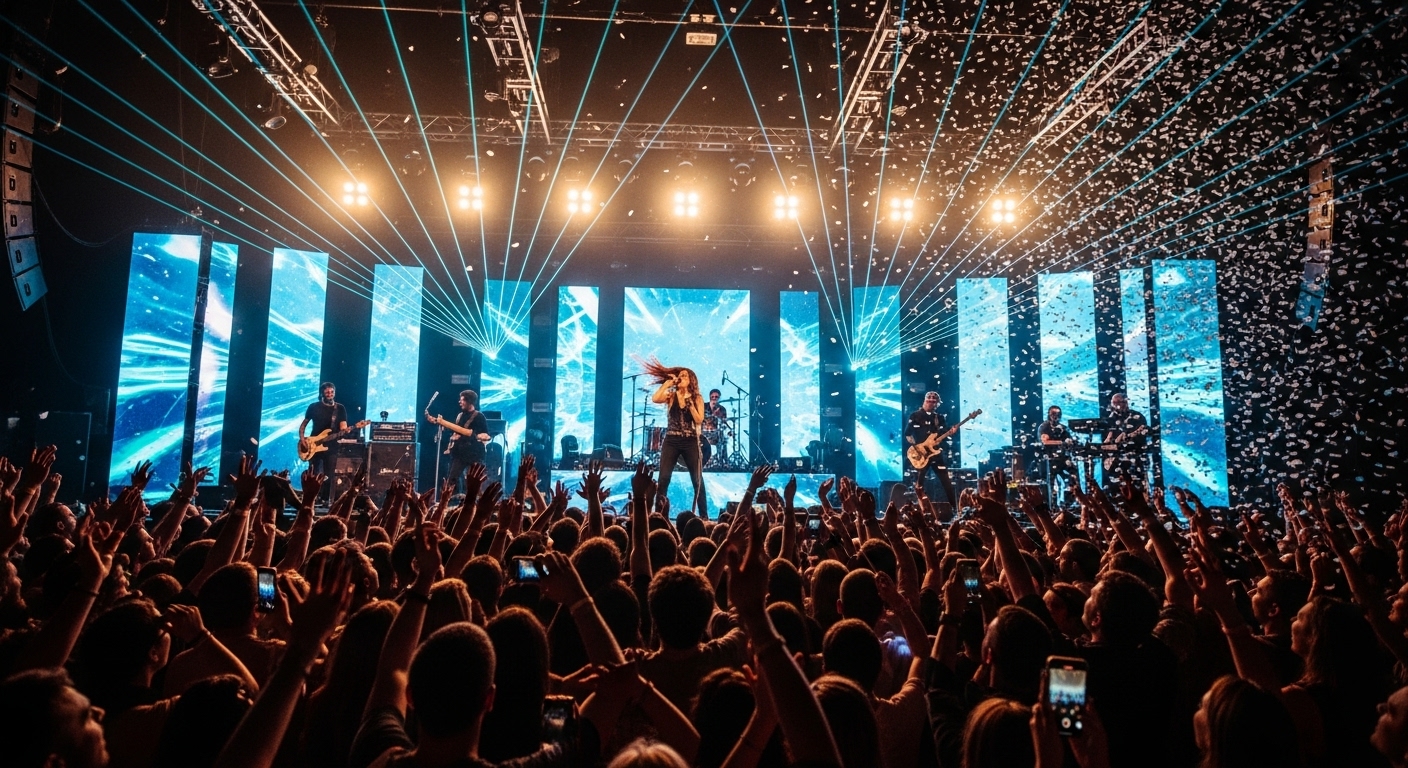
Music festivals, concerts, and live performances continue to provide shared experiences that transcend digital media. The rise of streaming platforms has expanded access to music, enabling artists to reach global audiences instantly. This accessibility has allowed fans to discover diverse sounds, explore new genres, and experience live performances virtually, making music more inclusive and universal than ever.
The Digital Revolution and Online Entertainment
The internet changed entertainment fundamentally. Content that once required physical presence or broadcast schedules became instantly accessible worldwide. Social media platforms enabled anyone to become a creator, giving rise to influencers, vloggers, and digital artists. Viral videos, memes, and online challenges became part of everyday entertainment, offering humor, inspiration, and cultural commentary in bite-sized forms.
Digital content has also democratized storytelling. Independent creators can share films, music, and literature without traditional gatekeepers, reaching audiences that were once unreachable. Platforms like YouTube, TikTok, and Instagram have created new forms of engagement, where fans interact directly with creators and participate in shaping content.
The Evolution of Gaming
Gaming has become one of the most significant areas of modern entertainment. Early video games were simple and limited, but advancements in technology have transformed gaming into a deeply immersive and interactive experience. Modern games offer intricate narratives, detailed virtual worlds, and complex mechanics that rival films in scope and creativity.
Multiplayer and online games have created communities that span continents, enabling social interaction, collaboration, and competition. Esports has transformed gaming into a spectator sport, drawing millions of viewers worldwide and establishing professional careers for players. Gaming is no longer simply a pastime; it is a cultural phenomenon, an art form, and a source of shared excitement and community.
Virtual reality and augmented reality are the next frontier in gaming, providing experiences that immerse players in interactive worlds where they can engage with stories and characters directly. These technologies blur the line between player and narrative, creating a level of involvement that was unimaginable just decades ago.
Live Performances and Event Entertainment
Live entertainment continues to thrive despite the dominance of digital media. Theater, concerts, dance, and festivals provide a unique energy and immediacy that cannot be replicated by screens. The connection between performer and audience in live settings creates a shared emotional experience, deepening the impact of the content.
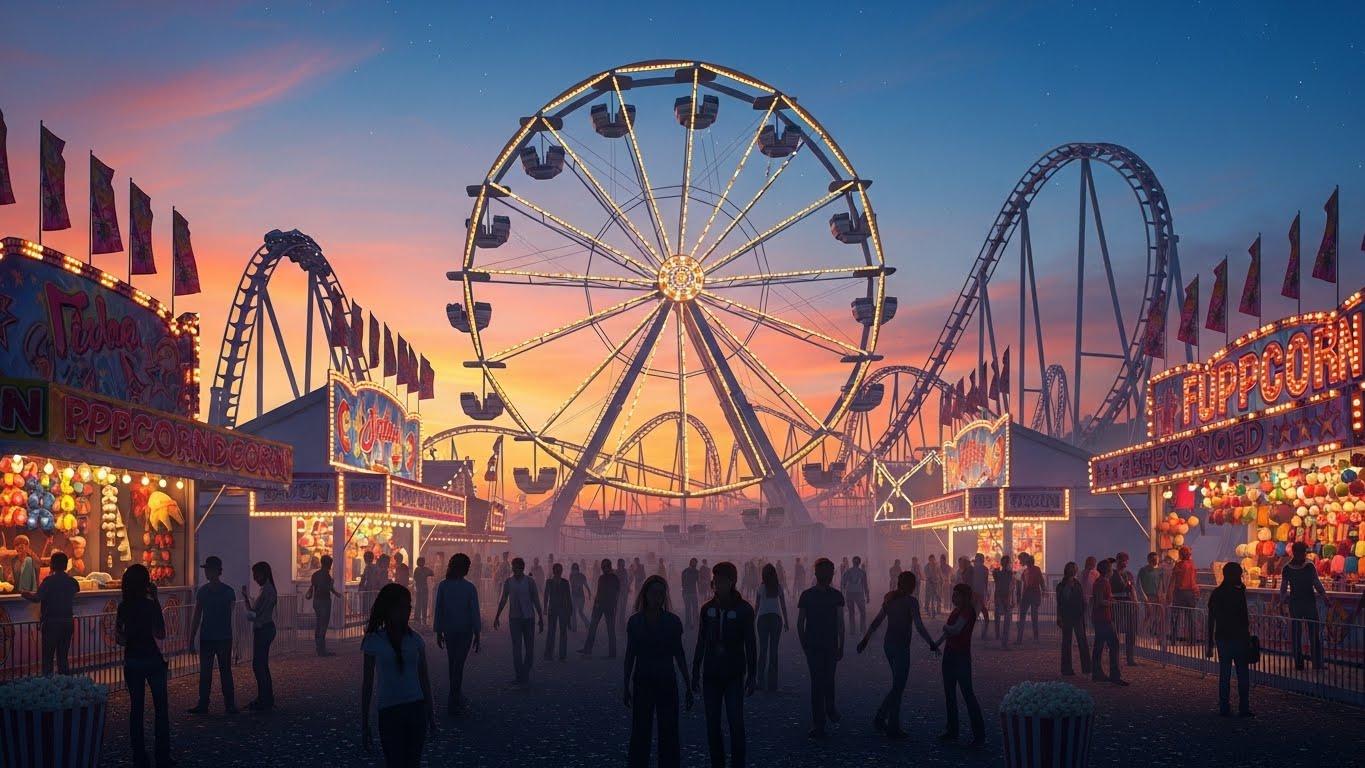
Major events, from music festivals to sporting competitions, are more than just entertainment—they are cultural phenomena. They bring people together to celebrate, cheer, and participate in a collective experience. The global reach of such events is amplified by technology, allowing fans worldwide to watch live streams, share reactions, and engage with the spectacle in real time.
Storytelling Across Media
At the core of every form of entertainment is storytelling. Whether in films, music, television, games, or live performance, storytelling provides structure, meaning, and emotional resonance. Stories allow audiences to explore new worlds, experience different perspectives, and connect with characters on a deep level.
Modern entertainment often blends media, creating cross-platform narratives that span films, books, games, and online content. Franchises like superhero universes, fantasy epics, and cinematic sagas demonstrate the power of storytelling to create expansive worlds that engage audiences across multiple forms of media.
Storytelling has also become more inclusive, embracing diverse voices and experiences. Entertainment reflects the complexity of society, giving visibility to cultures, identities, and perspectives that were historically underrepresented. This evolution not only enriches content but also strengthens the connection between audience and art.
Globalization and Cultural Exchange
Entertainment today is a global phenomenon. Technology has broken down geographical and cultural barriers, enabling stories, music, games, and performances to reach international audiences instantly. Films from one country can become worldwide hits, and music from local artists can top charts across continents.
This globalization has fostered cultural exchange, where audiences gain exposure to diverse traditions, ideas, and styles. It encourages creativity and innovation by blending influences from multiple cultures. Globalized entertainment also creates shared cultural moments, giving audiences worldwide a sense of participation in common experiences.
The Emotional Impact of Entertainment
Entertainment is more than amusement; it is a source of emotional engagement and psychological enrichment. Films, music, and games can evoke joy, sadness, excitement, or reflection. They allow people to explore emotions, understand different perspectives, and find meaning in experiences outside their own lives.
Shared entertainment experiences, whether in theaters, stadiums, or online communities, strengthen social bonds. They create memories, rituals, and connections that persist long after the moment has passed. Entertainment also provides comfort and escape, helping people cope with challenges and find inspiration during difficult times.
The Future of Entertainment
The future of entertainment is being shaped by technology, innovation, and human creativity. Artificial intelligence, virtual reality, and augmented reality are transforming how stories are told and experienced. Interactive entertainment, where audiences participate directly in narratives, is becoming more prominent.
Digital platforms will continue to democratize creativity, giving individuals unprecedented access to audiences and tools. Global collaboration will expand, blending cultures, languages, and perspectives to create new forms of entertainment that were previously unimaginable.
Despite technological advances, the essence of entertainment remains the same. Its purpose is to connect, inspire, and evoke emotion. The forms may change, but the fundamental human need for stories, music, games, and performance will never fade.
Conclusion
Entertainment is a reflection of human imagination and culture. It evolves constantly, adapting to new technologies, social trends, and creative impulses. From ancient storytelling and classical music to cinema, television, gaming, and digital media, entertainment has always sought to captivate, inspire, and connect people.
It provides escape and reflection, excitement and comfort, emotion and inspiration. It is a bridge between cultures, a platform for shared experiences, and a canvas for human creativity. As long as humans dream, create, and imagine, entertainment will continue to flourish, offering endless ways to experience joy, wonder, and connection.
Entertainment is not merely a pastime; it is a celebration of human expression, a testament to our collective creativity, and a mirror of our shared humanity. The story of entertainment is far from over, and the future promises innovations and experiences that will continue to shape how we live, feel, and connect for generations to come.