Introduction The Endless Appeal of Entertainment
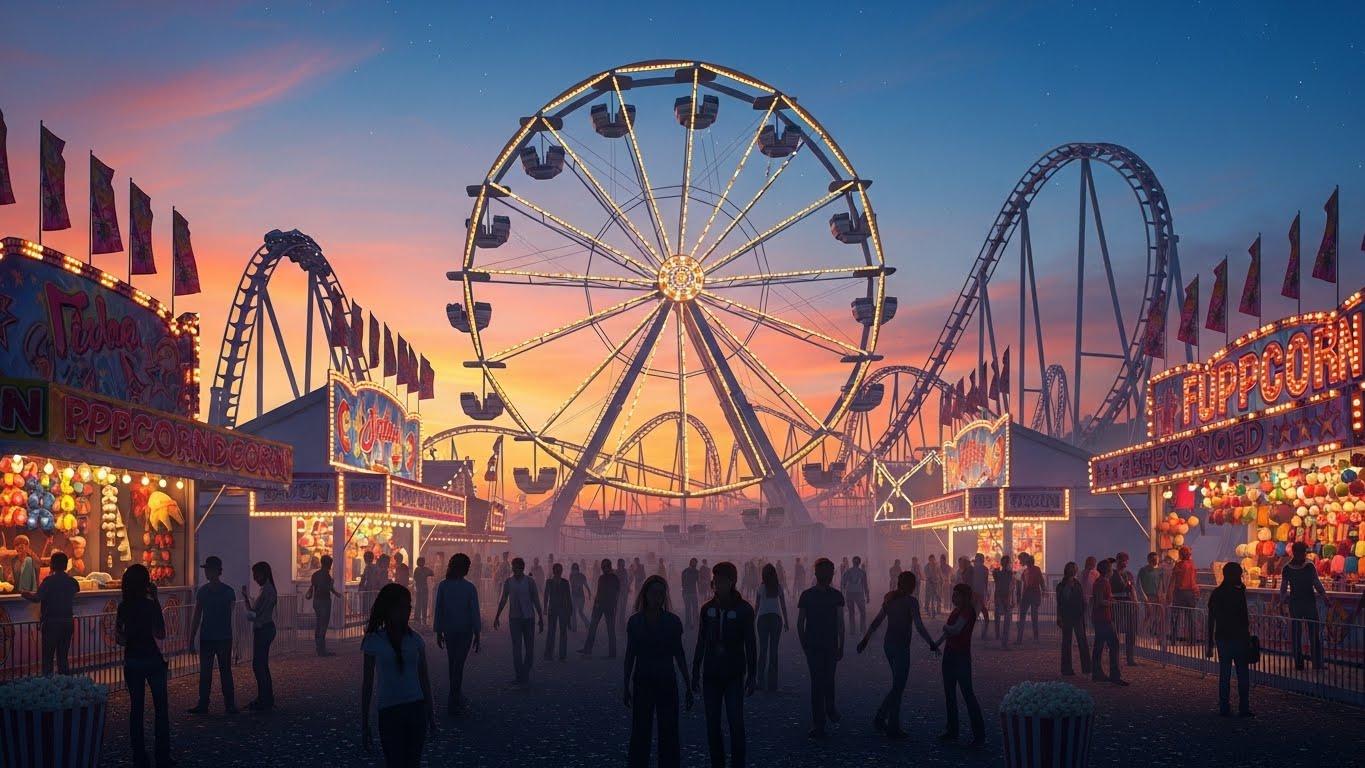
Entertainment is an essential part of human life, shaping how we experience joy, relaxation, and connection. From ancient storytelling to modern digital platforms, entertainment has evolved alongside human society, reflecting cultural shifts, technological innovations, and creative expression. It serves multiple purposes: amusement, education, inspiration, and social engagement. Today, entertainment encompasses movies, music, gaming, live performances, literature, and digital experiences, creating diverse ways for people to engage with the world. Exploring the role of entertainment helps us understand its profound impact on culture, society, and individual well-being.
The Origins of Entertainment Storytelling and Rituals
Entertainment has been present in human civilization since ancient times. Early humans relied on oral storytelling, songs, and dance to pass down traditions, explain natural phenomena, and bond as communities. Rituals and cultural performances were among the earliest organized forms of entertainment, combining music, drama, and visual spectacle to convey meaning and celebrate shared experiences.
These early forms of entertainment not only provided amusement but also reinforced social cohesion, education, and cultural continuity. Ancient theater, festivals, and public performances were central to communities, laying the foundation for modern entertainment practices that continue to captivate audiences today.
Music The Universal Language of Emotion
Music is one of the most enduring and universal forms of entertainment. It transcends language, geography, and culture, evoking emotions, inspiring creativity, and fostering connection. From classical symphonies to contemporary pop, music shapes moods, accompanies storytelling, and creates memorable experiences.
Live concerts, music festivals, and cultural events showcase the communal power of music, bringing people together to share collective enjoyment. Music also plays a significant role in other entertainment mediums such as movies, gaming, and theater, enhancing emotional impact and narrative depth. Its universal appeal ensures that music remains central to the entertainment landscape.
Film and Cinema Crafting Stories Through Visual Art
The invention of cinema revolutionized entertainment, offering immersive storytelling through moving images, sound, and performance. Early silent films captivated audiences with innovative techniques, while the introduction of sound, color, and visual effects elevated the medium to new heights.
Movies provide both escapism and reflection, portraying human experiences, societal issues, and cultural narratives. From Hollywood blockbusters to independent films, cinema has become a global industry, influencing culture, fashion, and art. The cinematic experience continues to evolve with technology, including high-definition visuals, special effects, and virtual reality adaptations.
Television Entertainment in Everyday Life
Television has transformed the way people consume entertainment, bringing stories and performances into homes worldwide. It offers accessibility, convenience, and a sense of shared experience, connecting families and communities through shows, sports, and live events.
Television also serves as a cultural mirror, reflecting social trends, values, and ideas. Iconic series, reality shows, and live broadcasts have shaped collective memory, providing topics for discussion and shared enjoyment. Despite the rise of streaming services, television remains a foundational form of entertainment for millions globally.
Gaming The Interactive Revolution
Video games have become one of the most influential forms of modern entertainment. Unlike passive media, games offer interactive experiences that engage players intellectually, emotionally, and socially. Games range from simple mobile apps to immersive console and PC adventures, offering challenges, narratives, and social connection.
Online multiplayer games enable global collaboration and competition, fostering communities where players share strategies, achievements, and friendships. Esports has elevated gaming into a professional industry, with tournaments, sponsorships, and career opportunities. Gaming demonstrates the growing desire for participatory and immersive entertainment in the digital age.
Literature and Storytelling Expanding Imagination
Books, novels, and poetry have long been central to entertainment. Literature allows readers to explore imaginative worlds, understand complex emotions, and engage with diverse perspectives. Stories provide both escapism and insight, shaping cultural identity and intellectual growth.
Literary works also influence other entertainment mediums, including movies, theater, and games. Adaptations of novels into films or interactive experiences highlight the enduring power of storytelling in creating engaging and meaningful entertainment. Literature remains a key vehicle for imagination, education, and cultural expression.
Live Performances The Magic of Shared Experience
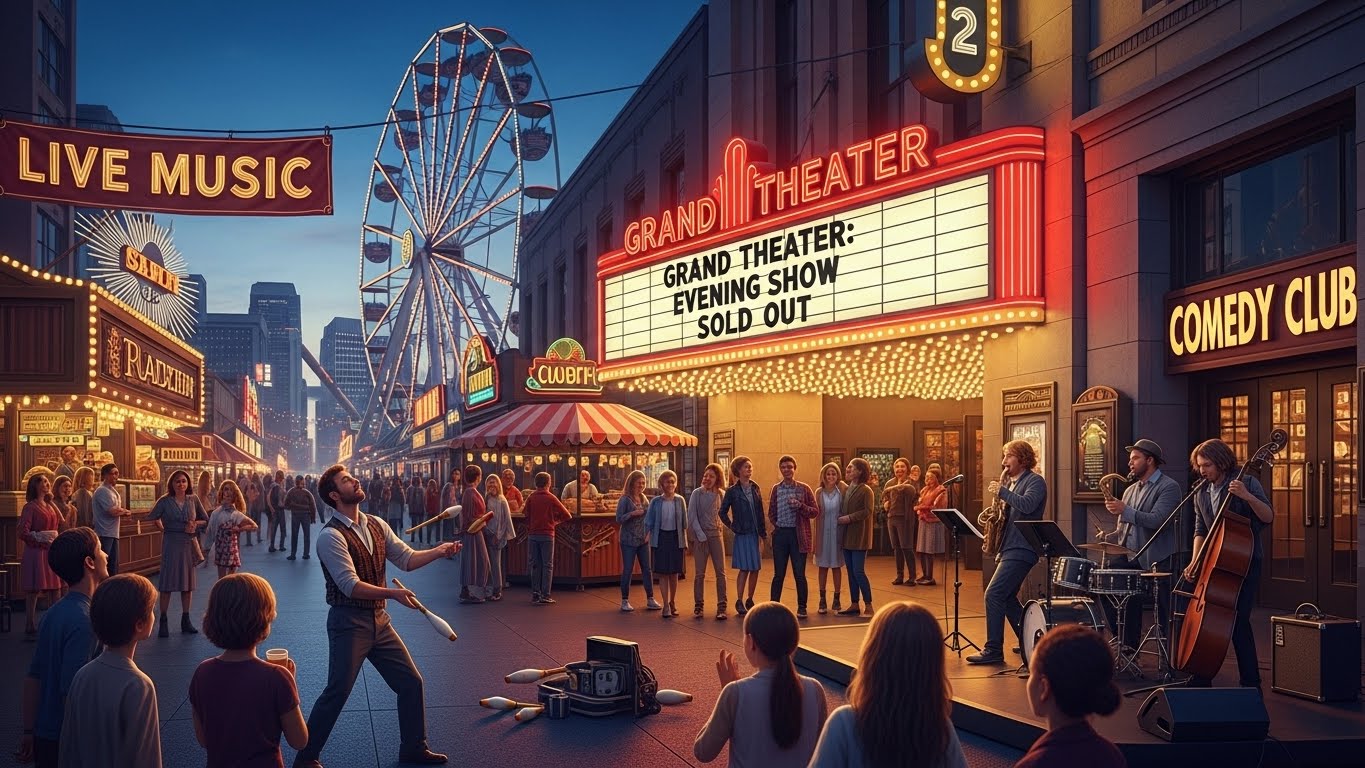
Live entertainment, including theater, concerts, sports, and festivals, offers unique experiences that cannot be replicated digitally. The energy of performers, the immediacy of the event, and the shared excitement of audiences create memorable moments that resonate long after the performance ends.
Festivals and cultural celebrations showcase creativity, tradition, and artistic innovation. These experiences encourage social interaction, cultural exchange, and a sense of community. Live performances remind us that entertainment is not only consumed but also experienced collectively, fostering human connection.
The Influence of Technology on Entertainment
Technological innovation has transformed entertainment in unprecedented ways. Streaming platforms, high-definition visuals, virtual reality, augmented reality, and social media have made content more accessible and immersive. Technology allows creators to experiment with storytelling, interactive experiences, and audience engagement in ways that were previously impossible.
The digital revolution also enables global reach, allowing entertainment to transcend borders. Creators can share their work with international audiences, while audiences can explore diverse cultures, ideas, and perspectives. Technology has redefined the production, distribution, and consumption of entertainment, expanding its cultural and economic impact.
Social and Emotional Impact of Entertainment
Entertainment affects emotional well-being, mental health, and social life. Engaging with stories, music, or interactive experiences provides stress relief, fosters creativity, and encourages empathy. Entertainment allows individuals to explore complex emotions safely and gain insights into human experiences.
Socially, entertainment strengthens bonds by providing shared experiences and common interests. Families, friends, and communities connect through movies, games, music, and live events. Entertainment encourages collaboration, communication, and cultural understanding, enhancing both individual and collective well-being.
The Economic Significance of Entertainment
Entertainment is a major economic driver worldwide. Industries such as film, television, music, gaming, live events, and digital content generate significant revenue and employment opportunities. Creators, technicians, marketers, and managers all contribute to the production and delivery of entertainment experiences.
Global franchises, blockbuster films, international concerts, and major events stimulate local economies through tourism, merchandising, and media coverage. The entertainment industry also drives innovation, technology development, and cross-industry collaboration, demonstrating its economic and cultural significance.
Challenges in Modern Entertainment
Despite its benefits, entertainment faces challenges. Overconsumption of digital content can affect mental health, social relationships, and productivity. Piracy, copyright violations, and unethical content practices threaten creators’ livelihoods and industry sustainability.
The oversaturation of content can make it difficult for new creators to gain recognition, while online platforms sometimes expose audiences to negative interactions or inappropriate material. Addressing these challenges requires responsible content creation, regulation, and awareness to maintain a safe and enjoyable entertainment ecosystem.
Future Trends in Entertainment
The future of entertainment promises greater interactivity, personalization, and immersive experiences. Virtual reality, augmented reality, and artificial intelligence are transforming storytelling, gaming, and live performances. Audiences will become more involved, influencing narratives, outcomes, and experiences.
Global collaboration and inclusive content creation will ensure that entertainment continues to reflect diverse voices, cultures, and ideas. Cross-platform experiences combining gaming, music, film, and social engagement will define the next era of entertainment, blending creativity with technological innovation.
Conclusion Entertainment as a Reflection of Human Creativity
Entertainment is more than a source of amusement; it reflects human creativity, culture, and innovation. From ancient storytelling and music to modern games and digital media, it connects people, shapes society, and inspires imagination.
As technology evolves and audiences seek immersive, participatory, and culturally meaningful experiences, entertainment will continue to expand its influence. It provides joy, education, connection, and reflection, enriching individual lives and society as a whole. Entertainment is an ever-changing landscape, demonstrating the limitless potential of human creativity.