Introduction
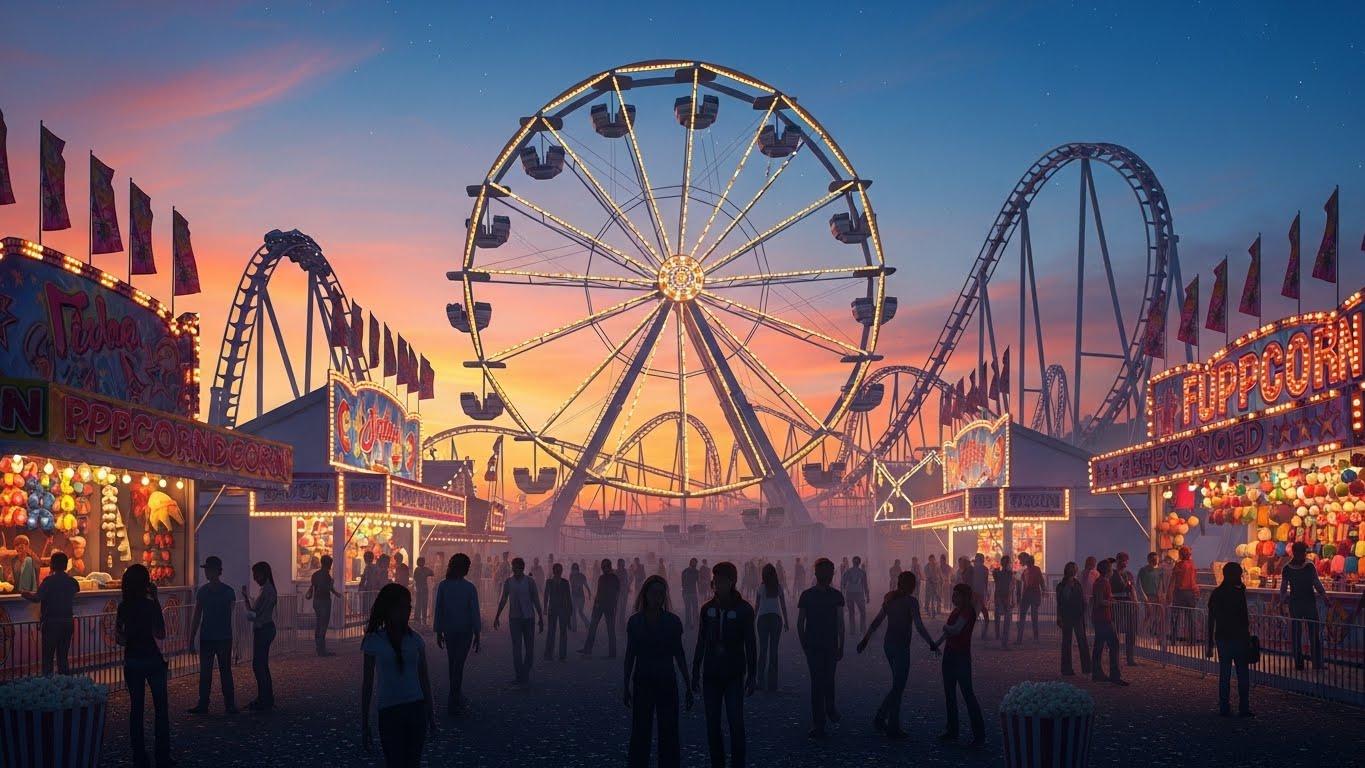
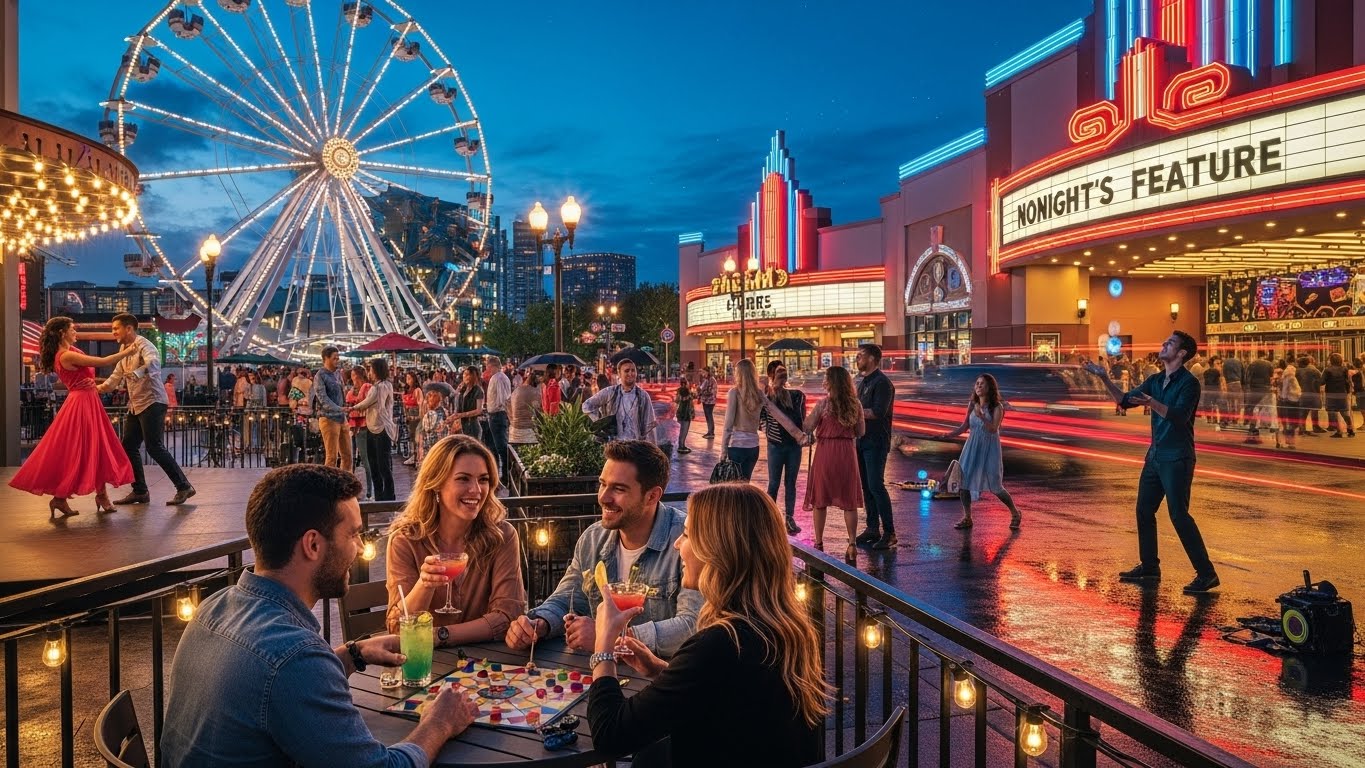
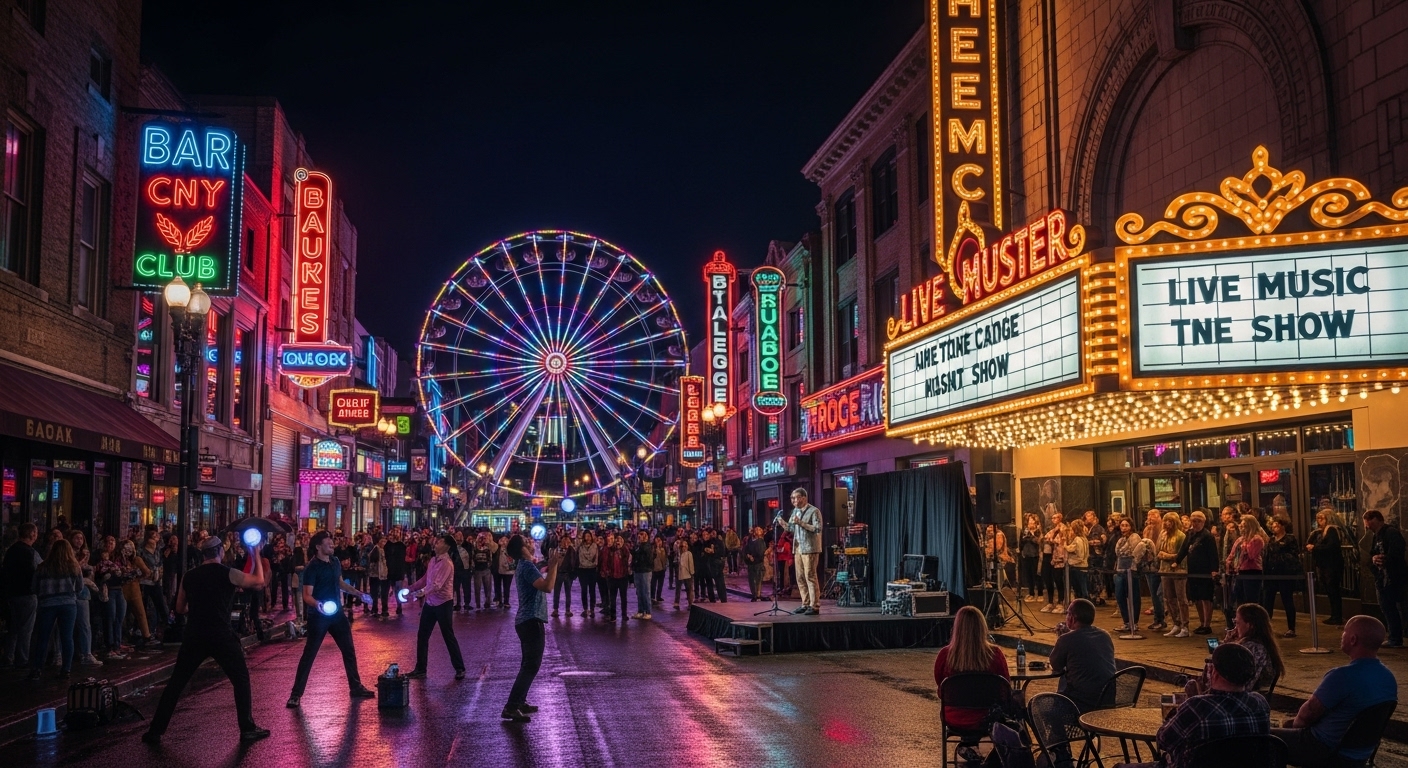
Entertainment is not just about fun or distraction. It is an essential part of human life that connects emotions, sparks creativity, and builds cultural identity. From ancient performances under the open sky to the digital content we stream today, entertainment has continuously evolved, reflecting the way people think, live, and dream. It gives us an escape from daily routines, a sense of belonging, and sometimes even the courage to imagine a better world.
This article explores the journey of entertainment through time, its impact on society, and how it continues to shape our modern lives.
The Origins of Entertainment
Entertainment has existed for as long as human civilization. In early societies, storytelling, dance, and music played vital roles in rituals and celebrations. People gathered around fires to share tales of heroes, spirits, and gods. These stories were more than amusement; they carried lessons, beliefs, and values that united communities.
Ancient civilizations developed their unique forms of entertainment. In Greece, theater flourished with tragedies and comedies that explored human emotions and moral choices. The Romans built grand amphitheaters where gladiators fought to entertain the masses. In Asia, traditional art forms such as Indian classical dance, Chinese opera, and Japanese Kabuki offered both visual splendor and spiritual reflection.
Each culture found ways to express joy, sorrow, love, and conflict through performance, making entertainment a universal human experience.
The Rise of Stage and Theater
As societies grew, so did the sophistication of entertainment. The stage became a symbol of art and imagination. The Renaissance period brought a revival of drama, with playwrights like William Shakespeare redefining the art of storytelling. His plays, rich in emotion and complexity, connected with people from all walks of life and continue to inspire artists today.
Theater offered a space where ideas came to life, where laughter, tragedy, and philosophy coexisted. It became both a form of reflection and escape. People could experience worlds beyond their own while confronting truths about humanity.
This era marked an important shift—entertainment was no longer just ritual or pastime; it became a form of artistic and intellectual expression.
The Magic of the Silver Screen
The invention of motion pictures in the late nineteenth century transformed entertainment forever. What began as short, silent clips evolved into a global phenomenon. Films brought stories to life in ways that had never been possible before. Audiences could now see their heroes, villains, and fantasies move across a screen.
The twentieth century became the golden age of cinema. Hollywood emerged as the center of this artistic explosion, producing timeless classics that still influence filmmakers. The black-and-white era gave way to color films, sound, and eventually advanced special effects that expanded the possibilities of storytelling.
Movies became a shared cultural experience. Families, friends, and even strangers gathered in theaters to laugh, cry, and dream together. Film stars became icons, shaping fashion, speech, and even social attitudes. The power of the cinema was not only in its ability to entertain but also in its ability to inspire and educate.
The Power of Music
Music is one of the oldest and most powerful forms of entertainment. It transcends boundaries of language, age, and culture. A melody can express what words cannot, reaching directly into the heart. From classical symphonies to folk tunes, from rock and roll to hip-hop, music has evolved with each generation, capturing the mood and spirit of its time.
Music also reflects social change. Songs have been used to protest injustice, celebrate freedom, and promote unity. In every corner of the world, music has a special place in daily life—celebrating joy, easing sorrow, and strengthening identity.
With the digital revolution, music became more accessible than ever. Streaming platforms and mobile technology allow people to carry entire worlds of sound in their pockets. Artists can reach audiences across the globe, and listeners can discover new genres and cultures within minutes. Music, in all its forms, remains the heartbeat of entertainment.
The Television Revolution
When television entered homes in the mid-twentieth century, it changed how people experienced entertainment. It became the center of family gatherings, the window to the world, and a daily source of information and fun. Television shows, news, and live broadcasts brought people closer to world events, while sitcoms and dramas reflected the humor and struggles of everyday life.
Television made celebrities more accessible and introduced audiences to different cultures and lifestyles. From sports events to cooking shows, from cartoons to reality programs, TV offered something for everyone. It also played an important role in shaping public opinion, influencing behavior, and reflecting social progress.
Though technology has advanced, television’s influence continues to this day, evolving into online streaming and smart entertainment systems that cater to individual preferences.
The Digital and Social Media Era
The rise of the internet changed entertainment forever. With just a click, people can access movies, music, games, and live performances from anywhere in the world. Streaming services replaced theaters for many, while online platforms allowed creators to share their work without the need for traditional studios.
Social media brought a new kind of entertainment—interactive, immediate, and personal. Platforms allow anyone to become a content creator, expressing themselves through videos, photos, and stories. This shift turned audiences into participants, blurring the line between creators and consumers.
Today’s entertainment is shaped by trends, challenges, and viral moments. What once took years to reach popularity can now spread across the world in seconds. Social media has also changed how artists interact with fans, creating a closer, more engaging connection that traditional media never could.
The Rise of Gaming and Interactive Fun
Video games have become one of the most influential and profitable forms of entertainment in the modern world. What started as simple arcade experiences has grown into complex, story-driven universes with lifelike graphics and deep emotional impact.
Gaming offers something unique—it allows people not only to watch a story but to become part of it. Players can make choices, face challenges, and shape outcomes. This interactivity creates a level of engagement unmatched by traditional forms of entertainment.
Online gaming has also created global communities. Players connect across continents, competing, collaborating, and forming friendships. Esports has turned gaming into a competitive sport watched by millions, blurring the boundaries between digital entertainment and athletic competition.
Entertainment as a Cultural Force
Entertainment is not only about enjoyment—it shapes how people think and interact. Films, music, television, and social media influence language, fashion, politics, and social values. A single movie or song can start a movement, change opinions, or redefine beauty and success.
Cultural representation in entertainment has become more important than ever. People want to see diversity, authenticity, and stories that reflect real experiences. When entertainment includes voices from all walks of life, it promotes empathy and understanding among different groups.
The influence of entertainment also extends to tourism, fashion, and education. A successful movie can boost travel to its filming locations, while a popular show can spark interest in history or science. Entertainment, in essence, shapes not just individuals but societies.
The Emotional Role of Entertainment
At its core, entertainment speaks to emotion. It makes us laugh when we are sad, gives us hope when we are tired, and helps us make sense of the world. It is both a reflection and a refuge—a way to process feelings and find connection in shared experiences.
During difficult times, entertainment provides comfort and escape. During joyful times, it amplifies happiness. Whether it is a favorite song, a beloved movie, or a game with friends, entertainment is deeply personal. It nourishes creativity and imagination, which are vital parts of human growth.
The Business of Entertainment
Behind the lights, cameras, and performances lies a massive industry that fuels economies worldwide. Entertainment generates billions of dollars annually, creating opportunities for artists, technicians, marketers, and entrepreneurs.
From film studios to streaming companies, from concert tours to video game developers, the entertainment business is a complex network of creativity and commerce. The digital era has introduced new business models such as online subscriptions, influencer marketing, and virtual events, giving creators more independence and audiences more choices.
Entertainment continues to prove that creativity is not only an art—it is a thriving global industry that drives innovation and brings people together.
The Future of Entertainment
The future of entertainment promises to be even more dynamic. Technologies such as artificial intelligence, virtual reality, and augmented reality are already transforming how we experience art and storytelling. Virtual concerts, digital avatars, and interactive films are blurring the line between fantasy and reality.
However, with progress comes responsibility. As entertainment becomes more digital, creators and audiences must balance technology with authenticity. The essence of entertainment lies not in machines but in human emotion, creativity, and connection.
The coming years will likely see more personalized experiences, where viewers can shape stories or perform alongside their favorite stars. Yet, no matter how advanced technology becomes, the heart of entertainment will remain the same—the desire to feel, connect, and celebrate life.
Conclusion
Entertainment is one of humanity’s greatest gifts. It evolves, adapts, and continues to unite people across the world. From ancient dances to modern streaming, it reflects our dreams, fears, and imagination. It teaches, heals, and inspires.
As long as there are stories to tell and emotions to share, entertainment will never fade. It is the language of joy, the rhythm of life, and the endless stage on which the human spirit performs its most beautiful act.