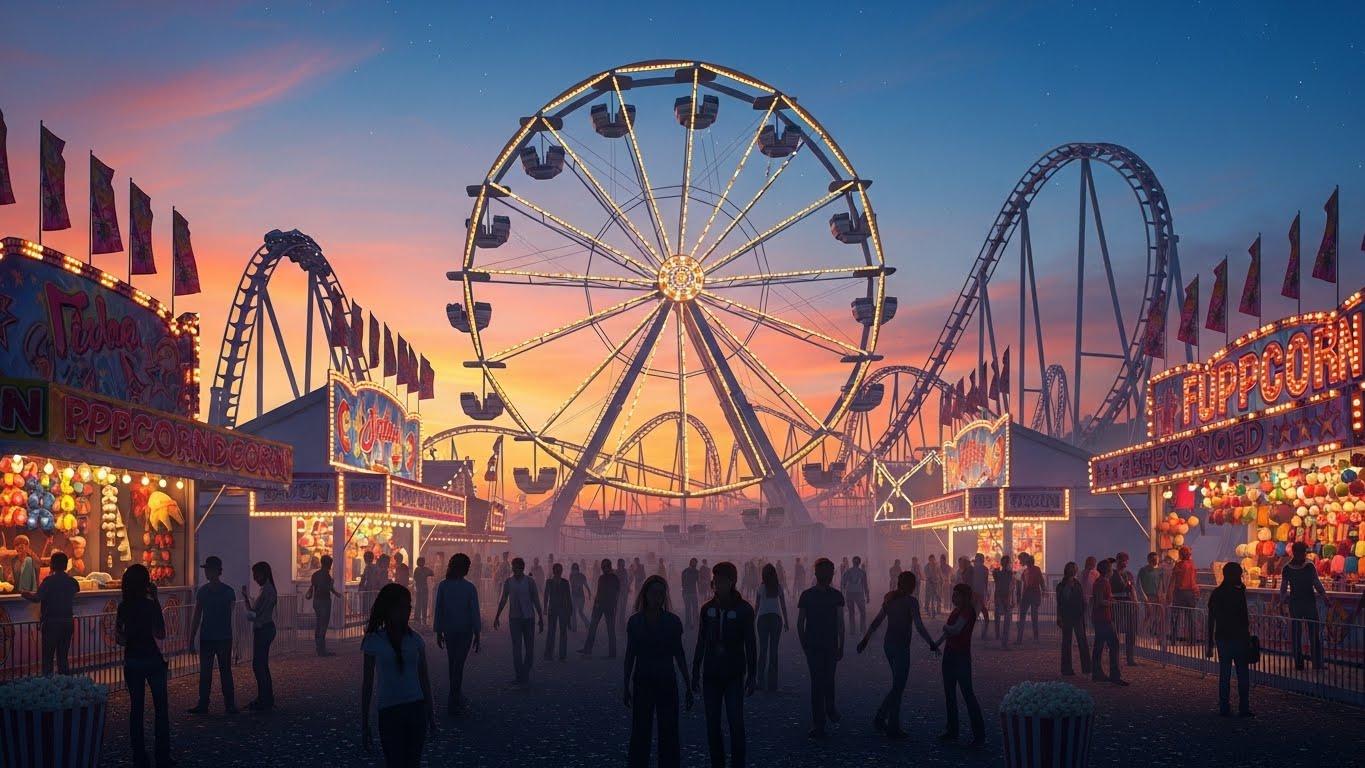

Introduction: Understanding Entertainment in Modern Life
Entertainment is a cornerstone of human culture, providing joy, relaxation, and inspiration across centuries. From ancient storytelling around campfires to today’s immersive digital experiences, entertainment has always reflected society’s values, fears, and dreams. It is more than a pastime; it shapes how people perceive the world, interact with one another, and express themselves. Music, film, theater, gaming, and online media collectively contribute to an evolving cultural ecosystem that engages audiences globally. Understanding entertainment’s role allows us to appreciate its impact on both personal life and society as a whole.
The History of Entertainment
Entertainment has evolved alongside human civilization. In prehistoric times, storytelling, dance, and music were essential for cultural expression and communication. Ancient civilizations developed theater, poetry, and live performances to educate, inspire, and amuse communities.
During the Renaissance, advancements in arts and literature transformed entertainment, blending creativity with social commentary. The invention of cinema in the late 19th century revolutionized entertainment, making storytelling accessible to mass audiences. Over time, music, radio, television, and digital platforms have expanded the ways people engage with entertainment, creating a dynamic and diverse landscape.
The Power of Storytelling
At the heart of entertainment lies storytelling. Narratives allow people to explore emotions, ideas, and human experiences in ways that transcend time and culture. Literature, film, and television provide immersive worlds where audiences can empathize with characters, confront moral dilemmas, and experience adventures vicariously.
Storytelling also preserves cultural heritage, passing down traditions, beliefs, and history through generations. In addition, interactive storytelling in video games and virtual reality offers players agency, allowing them to shape outcomes and deepen engagement. Whether written, performed, or digital, storytelling remains a fundamental pillar of entertainment.
Music: The Universal Language
Music is one of the most powerful forms of entertainment, capable of evoking emotion, memory, and connection. Across cultures, music has served ceremonial, recreational, and expressive purposes. Live concerts, recorded albums, and streaming platforms allow audiences to access and enjoy music in countless ways.
Music also influences other forms of entertainment. Film scores, video game soundtracks, and theatrical performances rely on music to set tone, mood, and emotion. Its universal appeal and ability to connect people across borders make music a central element of human experience and entertainment culture.
Film and Television: Visual Storytelling
Film and television have transformed the entertainment landscape by combining narrative, visuals, and sound into immersive experiences. Movies allow audiences to experience complex stories, spectacular visuals, and powerful performances in a shared social context. Television provides ongoing engagement through serialized storytelling, reality shows, and news programs.
Streaming services have revolutionized access, enabling viewers to watch content anytime and anywhere. Visual entertainment continues to push boundaries through innovative cinematography, special effects, and digital production techniques. Film and television not only entertain but also inform, challenge, and reflect societal values.
Gaming as Entertainment
Gaming has emerged as one of the fastest-growing forms of entertainment. From casual mobile games to competitive esports, gaming engages millions worldwide. Unlike passive media, games require active participation, critical thinking, and problem-solving, creating interactive experiences that blend creativity, strategy, and skill.
Gaming also fosters social interaction. Multiplayer platforms, online communities, and live-streamed events connect players across the globe. The gaming industry has become a cultural force, influencing storytelling, technology, and social engagement in ways comparable to traditional entertainment media.
Live Performances and Theater
Live performances, including theater, concerts, and dance, provide a unique form of entertainment through direct engagement. Theater combines acting, dialogue, and visual design to create emotionally resonant experiences. Concerts and dance performances allow audiences to witness artistic expression in real time, fostering a sense of community and shared experience.
Live entertainment emphasizes human connection. The immediacy of performance, audience reactions, and collaborative artistry create memorable experiences that remain impactful long after the performance ends. This form of entertainment continues to thrive, adapting to contemporary tastes while honoring centuries-old traditions.
Digital Entertainment and Online Media
The digital age has transformed how people access and consume entertainment. Social media platforms, video-sharing websites, and streaming services provide instant access to content. Digital media allows creators to reach global audiences, while audiences can interact, share, and comment, creating a participatory culture.
Online entertainment also offers personalization. Algorithms recommend content based on user preferences, enhancing engagement. Podcasts, web series, and influencer-generated content have expanded traditional boundaries, allowing individuals to both consume and create entertainment in unprecedented ways.
The Role of Entertainment in Society
Entertainment serves multiple societal functions beyond amusement. It educates by presenting ideas, historical events, and social issues in engaging ways. Films, documentaries, and literature can inspire social change, provoke discussion, and encourage empathy.
Entertainment also fosters social cohesion. Shared cultural experiences, such as blockbuster films or major sporting events, unite communities. Humor, storytelling, and music provide emotional relief, helping people cope with stress, hardship, and societal pressures. Through these functions, entertainment plays a vital role in maintaining cultural and emotional well-being.
Economic Impact of Entertainment
Entertainment is a major economic driver. The film industry, music production, gaming, live performances, and digital content creation generate billions of dollars globally. These industries create employment for actors, directors, musicians, designers, developers, and marketers.
Additionally, entertainment-related events stimulate tourism, retail, and local economies. The production and distribution of entertainment content foster innovation, technological development, and creative entrepreneurship, demonstrating that entertainment is both a cultural and economic powerhouse.
Technological Innovation and Entertainment
Technology continuously reshapes the entertainment landscape. Virtual reality, augmented reality, and advanced visual effects create immersive experiences that push creative boundaries. Artificial intelligence and machine learning personalize content, optimize production processes, and enhance audience engagement.
Technology also enables accessibility. Closed captions, audio descriptions, and adaptive gaming ensure entertainment reaches wider and more diverse audiences. The fusion of technology and entertainment drives innovation, creativity, and inclusivity in ways that continue to evolve with society.
Challenges in the Entertainment Industry
Despite its benefits, the entertainment industry faces challenges. Piracy, intellectual property theft, and digital rights management issues threaten creators and producers. Oversaturation of content and algorithm-driven consumption can reduce exposure for smaller creators.
Social and ethical considerations are also critical. Representation, inclusivity, and responsible content creation are ongoing challenges. Balancing commercial interests with artistic integrity and societal responsibility remains essential for sustainable growth in the industry.
The Future of Entertainment
The future of entertainment is dynamic and multifaceted. Emerging technologies like immersive VR experiences, AI-generated content, and interactive storytelling will redefine engagement. Cross-platform integration will enable audiences to experience entertainment across devices seamlessly.
Global collaboration and accessibility will continue to expand, allowing creators from diverse backgrounds to reach audiences worldwide. Entertainment will increasingly blend education, social connection, and cultural expression, reflecting the evolving ways people seek meaning and enjoyment.
Conclusion: Entertainment as a Cultural and Human Force
Entertainment is far more than a leisure activity. It shapes culture, connects communities, and inspires creativity. From storytelling and music to gaming, film, and digital media, entertainment influences how people think, feel, and interact with the world.
As technology advances and society evolves, entertainment will continue to adapt, providing immersive, inclusive, and impactful experiences. It remains a mirror of humanity, reflecting our values, dreams, and shared experiences. Entertainment is not only a source of joy but also a powerful force for cultural expression, economic growth, and social connection, proving its timeless significance in human life.