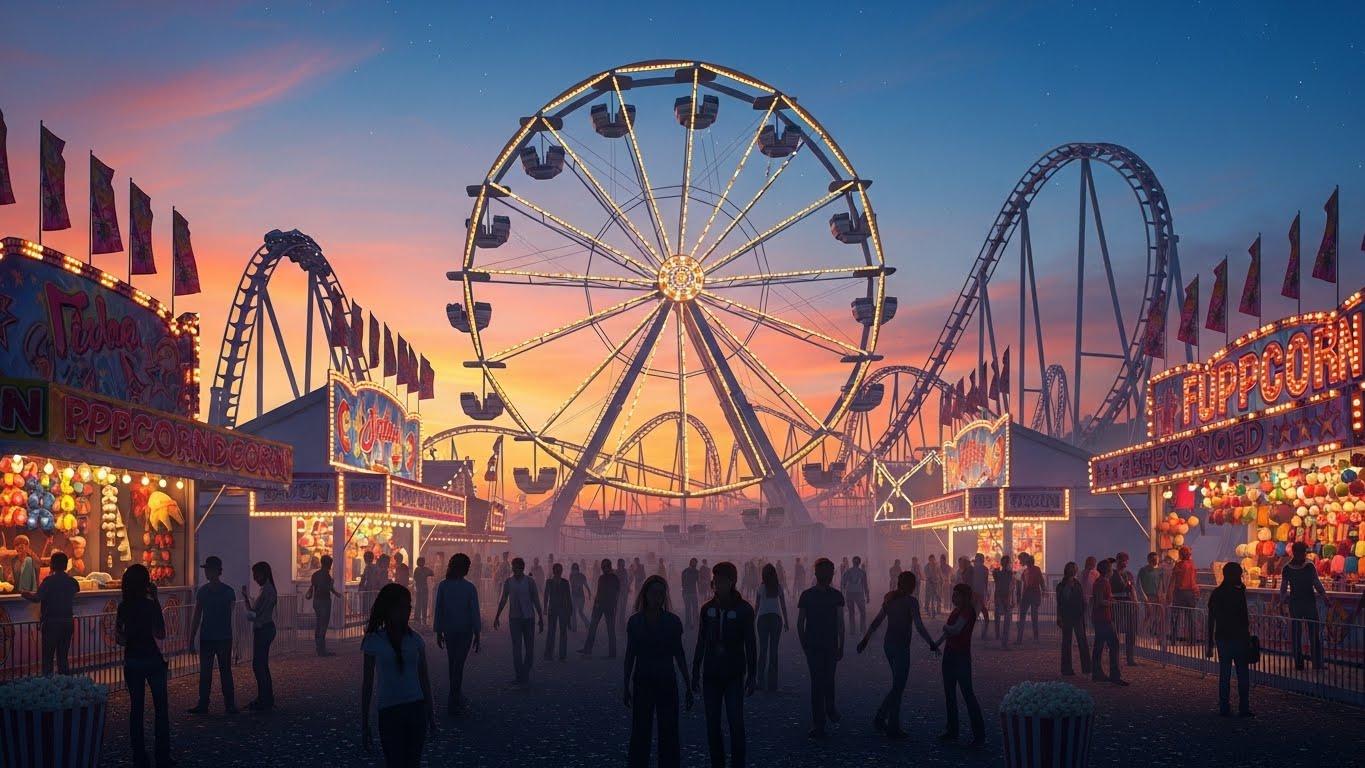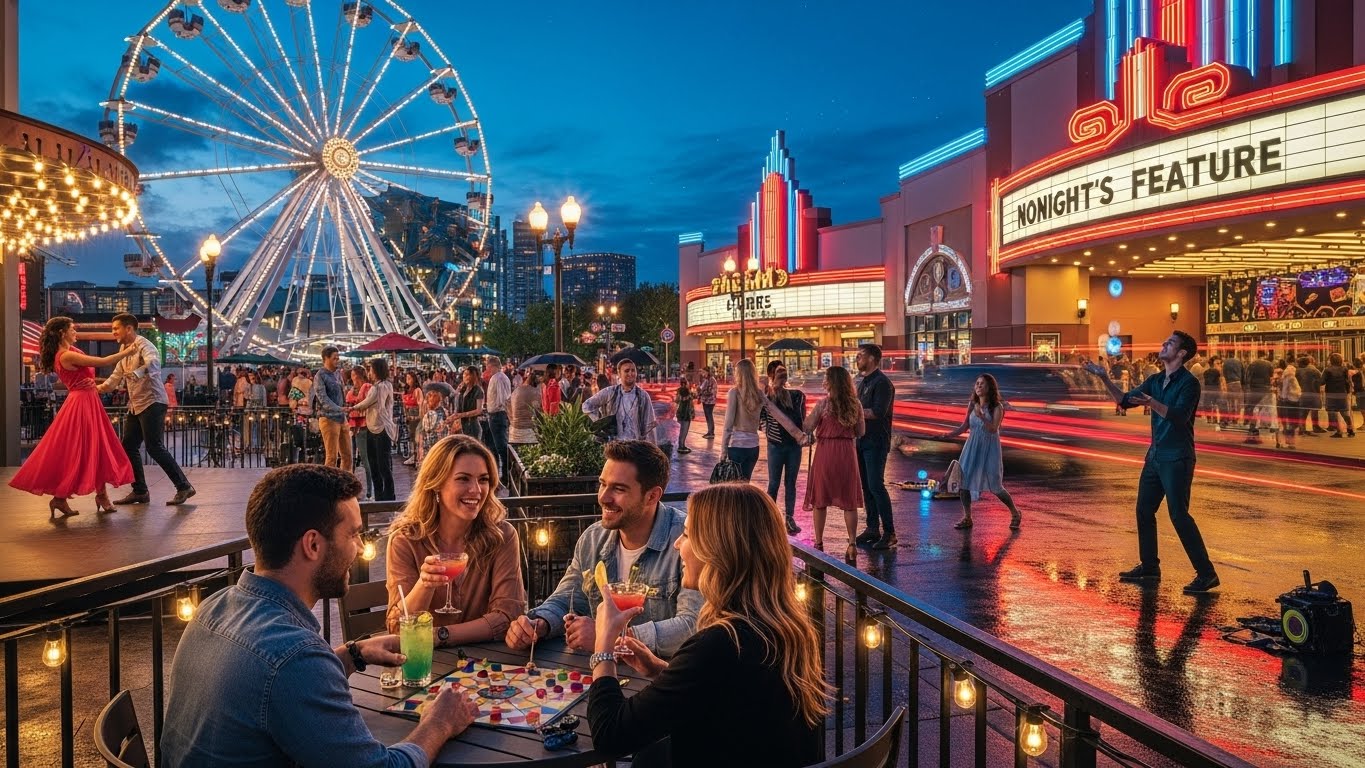
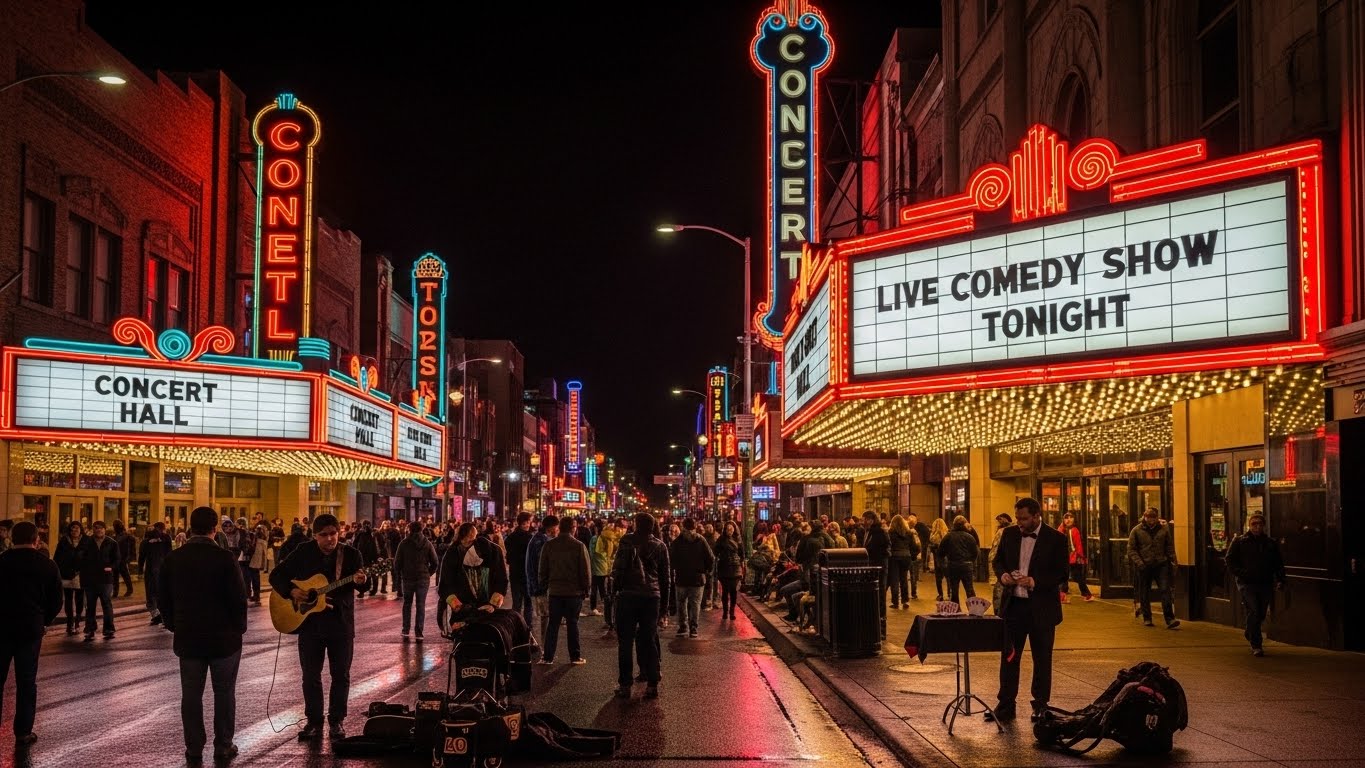
Introduction: The Evolution of Entertainment
Entertainment has always been an essential part of human life. From ancient storytelling around fires to grand theaters and live performances, humans have continuously sought ways to engage, amuse, and inspire themselves. Over the past few decades, the landscape of entertainment has transformed dramatically, largely due to advances in technology. Today, entertainment is no longer confined to physical spaces or traditional media; it has become a dynamic, digital, and highly personalized experience.
Modern entertainment encompasses movies, television, music, gaming, live performances, and online streaming. With the rise of social media, virtual reality, and on-demand content, people can access entertainment anytime and anywhere. This digital revolution has fundamentally changed how we consume media and interact with creative works.
The Rise of Digital Entertainment
Digital entertainment has reshaped the way audiences experience content. Streaming platforms, online video sharing, and music apps have made it possible for users to access vast libraries of content at their fingertips. Traditional barriers like broadcasting schedules or physical media are no longer limitations. Consumers now enjoy the flexibility to watch, listen, and engage with content on their own terms.
Digital platforms have also empowered independent creators. Musicians, filmmakers, writers, and artists can now reach global audiences without the need for traditional studios or distribution channels. This democratization has led to a surge in innovative content, niche genres, and diverse voices that enrich the entertainment industry.
Movies and Television in the Modern Era
Film and television have undergone a massive transformation in the digital age. The golden era of cinema and traditional broadcast television has given way to on-demand streaming services, binge-watching culture, and interactive storytelling. Audiences no longer rely on theaters or fixed schedules; instead, they can watch entire seasons or explore international cinema from the comfort of their homes.
Streaming services have also influenced the type of content being produced. Data analytics allows platforms to understand audience preferences, shaping decisions about which shows and movies to create. Additionally, advancements in special effects, animation, and production technology have elevated the quality of storytelling, creating cinematic experiences previously only possible in theaters.
Music and the Digital Revolution
The music industry has been revolutionized by digital technology. From vinyl records to CDs, and now to streaming services and digital downloads, the way people access music has evolved dramatically. Platforms allow users to discover new artists, create personalized playlists, and share songs with friends and communities.
Digital distribution has also empowered independent musicians, enabling them to reach global audiences without traditional record label support. Social media platforms and music-sharing apps create viral opportunities, allowing songs to gain popularity rapidly. Furthermore, virtual concerts and live-streamed performances have emerged as innovative ways to engage fans, particularly during times when physical gatherings are limited.
The Role of Gaming in Entertainment
Gaming has become one of the most influential sectors in modern entertainment. Video games, mobile games, and online multiplayer platforms offer interactive experiences that traditional media cannot replicate. Players engage with immersive worlds, solve complex challenges, and connect with others globally.
Gaming has also blurred the line between entertainment and social interaction. Multiplayer games, esports, and streaming platforms allow players to compete, collaborate, and share experiences. Beyond entertainment, gaming contributes to cognitive development, creativity, and even professional careers in competitive gaming and content creation.
Social Media and Short-Form Content
Social media platforms have transformed entertainment into an interactive and participatory experience. Short-form content, such as videos, memes, and live streams, engages audiences in ways traditional media cannot. Users not only consume content but also create and share it, becoming part of the entertainment ecosystem themselves.
Platforms encourage trends, challenges, and viral moments, creating a dynamic and constantly evolving landscape. Social media has also given rise to influencers, who shape popular culture and act as intermediaries between creators and audiences. This shift has made entertainment more collaborative, fast-paced, and community-driven.
Live Performances and Virtual Events
Live performances remain a core aspect of entertainment, but they too have adapted to the digital age. Concerts, theater productions, and comedy shows now integrate live streaming and interactive elements to reach audiences beyond physical venues. Virtual reality and 360-degree video technology offer immersive experiences that replicate the feeling of being present in a live performance.
Virtual events also provide opportunities for global audiences to participate in festivals, concerts, and theatrical performances without geographic limitations. These innovations have broadened access to entertainment, allowing more people to experience cultural and artistic events from anywhere in the world.
The Economic Impact of Entertainment
Entertainment is not just about enjoyment; it has a significant economic impact. The industry generates billions of dollars annually, creating jobs across multiple sectors, including production, marketing, technology, and creative services. From film crews to game developers, musicians to event organizers, entertainment supports a diverse workforce and drives innovation.
Additionally, entertainment stimulates related industries, such as tourism, merchandising, and technology. Successful franchises and cultural phenomena have far-reaching effects, contributing to local and global economies. As digital platforms continue to grow, the economic influence of entertainment expands, shaping the modern marketplace.
Personalization and the Audience Experience
One of the defining features of modern entertainment is personalization. Advanced algorithms and data analytics allow platforms to understand user preferences and deliver tailored experiences. Whether it’s recommending movies, curating music playlists, or suggesting video games, personalization enhances engagement and satisfaction.
Interactive content, such as choose-your-own-adventure films and immersive gaming, further deepens audience involvement. Users are no longer passive consumers; they are active participants shaping their entertainment experience. This level of engagement strengthens loyalty and fosters deeper connections between creators and audiences.
The Role of Technology in Shaping Entertainment
Technology is at the heart of the modern entertainment revolution. High-definition graphics, virtual reality, artificial intelligence, and augmented reality are creating immersive experiences that were once unimaginable. Advanced production tools and software allow creators to bring imaginative worlds to life, while digital distribution ensures instant access to global audiences.
The integration of artificial intelligence also enhances creativity, from generating music compositions to designing interactive narratives. Virtual and augmented reality expand the boundaries of storytelling, offering experiences that engage multiple senses and foster emotional connections. Technology is not only changing how entertainment is consumed but also how it is created and shared.
Challenges Facing the Entertainment Industry
Despite its growth, the entertainment industry faces challenges. Piracy, copyright infringement, and digital security remain ongoing concerns. Balancing innovation with ethical considerations, such as privacy, data protection, and responsible content creation, is essential.
The fast pace of technological change also creates pressure for creators and platforms to adapt quickly. Audience attention spans are shorter, competition is fierce, and content must continuously evolve to maintain engagement. Moreover, the rise of digital consumption requires new approaches to monetization, marketing, and audience development.
The Cultural Significance of Entertainment
Entertainment plays a vital role in shaping culture and society. It reflects societal values, sparks conversations, and inspires creativity. Films, music, literature, and digital content often address social issues, challenge norms, and encourage empathy and understanding.
Entertainment also serves as a shared experience that brings people together. Whether attending a concert, participating in an online gaming session, or watching a popular film, audiences engage in collective experiences that foster community and connection. Its cultural impact extends beyond mere amusement, influencing identity, perception, and social dynamics.
The Future of Entertainment
The future of entertainment is poised to be more immersive, interactive, and accessible than ever before. Virtual reality, augmented reality, and artificial intelligence will continue to expand the possibilities for creators and audiences alike. Streaming services, mobile platforms, and interactive media will drive further personalization and engagement.
As technology evolves, entertainment will become increasingly integrated into daily life, blending with education, social interaction, and professional experiences. The convergence of different media formats and platforms will create hybrid experiences that redefine what it means to be entertained in the digital age.
Conclusion: Entertainment as a Driving Force in Modern Life
Entertainment is more than a form of leisure; it is a driving force in modern life that influences culture, technology, and society. The digital age has transformed the industry, making it more accessible, interactive, and personalized than ever before. From movies and music to gaming and social media, entertainment continues to evolve, shaping how we experience, create, and connect with the world around us.
As we look ahead, entertainment will remain at the forefront of innovation, bridging gaps between technology, art, and human experience. It will continue to inspire creativity, foster social connections, and provide joy and inspiration for generations to come. In the digital era, entertainment is not just a pastime—it is an essential part of our cultural and technological landscape.