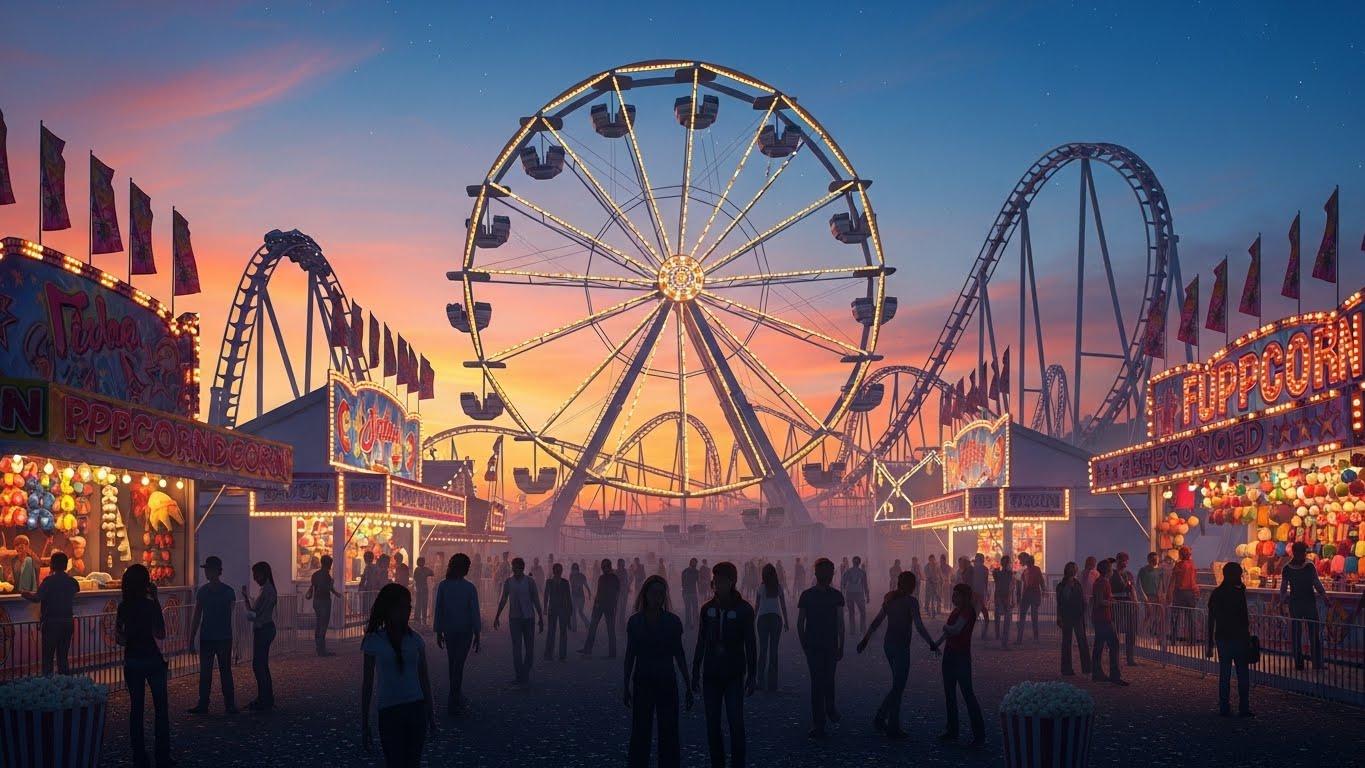

Entertainment has always been a cornerstone of human life, offering moments of escape, joy, and shared experiences. However, as technology continues to evolve at a rapid pace, the way we consume and experience entertainment is undergoing a massive transformation. From streaming platforms and immersive VR worlds to social media-driven trends, the entertainment landscape is evolving in ways that were once unimaginable. In this post, we’ll explore the dynamic changes shaping entertainment today and what the future may hold.
The Evolution of Streaming: Shaping How We Watch and Listen
One of the most significant shifts in entertainment has been the rise of streaming services. The days of waiting for your favorite show to air on TV or visiting a video rental store are long gone. Now, services like Netflix, Hulu, Disney+, and Amazon Prime Video dominate how we watch TV shows and movies. This move towards streaming has not only revolutionized access to content but has also made entertainment incredibly personalized.
No longer bound by traditional TV schedules, viewers have the freedom to binge-watch entire seasons of shows, discover hidden gems, and access content from across the globe. Similarly, music streaming services like Spotify and Apple Music have completely transformed how we listen to music, allowing listeners to access virtually any song at the touch of a button. The flexibility and convenience offered by these services have made entertainment more accessible than ever before.
The Rise of Interactive and Immersive Experiences
While streaming services have reshaped passive entertainment, the real magic lies in the rise of interactive and immersive experiences. Virtual reality (VR) has emerged as a game-changer, offering immersive environments where users can engage with content on a deeper level. In gaming, titles like Beat Saber and The Walking Dead: Saints & Sinners have shown how VR can create a fully immersive experience, putting players in the middle of action-packed worlds.
But it’s not just gaming that’s going virtual. VR is increasingly being used for virtual concerts, immersive theater performances, and even virtual tourism. Imagine attending a live performance of your favorite band from the comfort of your home or exploring a museum in Paris without leaving your couch. As VR technology continues to improve, the possibilities for how we experience entertainment in the digital space are endless.
Social Media: Entertainment Meets Social Interaction
Entertainment has always had a social aspect, but the rise of social media platforms has taken this to new heights. Today, we are not just passive consumers of content; we are also creators, sharing our experiences and engaging with others in real-time. Platforms like TikTok, Instagram, and YouTube have given rise to a new generation of content creators who influence trends, shape cultural movements, and even build entire careers by engaging with their audiences.
Social media has also redefined how we consume live events. Instead of just watching a concert or sports game from a distance, fans can interact with performers, participate in challenges, and even collaborate with other users in virtual spaces. This shift has made entertainment more interactive and personalized, creating an ongoing dialogue between creators and their audiences.
Artificial Intelligence: Personalizing the Entertainment Experience
As technology advances, artificial intelligence (AI) is becoming an integral part of how we experience entertainment. AI-powered recommendation systems are now common across platforms like Netflix, Spotify, and YouTube, helping users discover content tailored specifically to their preferences. These recommendation algorithms analyze your viewing and listening habits, providing personalized suggestions that keep you coming back for more.
Beyond recommendations, AI is also being used to create content. AI-driven tools are now capable of generating music, writing scripts, and even producing deepfake videos. While this technology has raised ethical concerns, it has also opened up new creative possibilities for artists and content creators. In the future, AI could revolutionize how movies, TV shows, and even video games are made, making entertainment more dynamic and unpredictable.
The Future of Gaming: Beyond Consoles and PCs
Gaming has long been a dominant form of entertainment, but advancements in technology are pushing the boundaries of what’s possible. Cloud gaming, for example, is changing the way we play video games. With platforms like Google Stadia and Xbox Cloud Gaming, players can stream high-quality games to their devices without the need for expensive hardware. This eliminates the traditional need for gaming consoles and powerful PCs, making gaming more accessible to a wider audience.
Additionally, the rise of mobile gaming continues to grow, with more people engaging with casual games on their smartphones. Titles like Pokémon GO and Among Us have proven that gaming doesn’t always need to be a high-budget, high-performance activity. As technology improves, we can expect even more sophisticated games to emerge, with advanced graphics, enhanced interactivity, and deeper narratives.
Live Events and The Evolution of Virtual Spaces
Live events like concerts, theater performances, and sports games have traditionally been enjoyed in person. However, the pandemic accelerated the shift to virtual events, and many of these changes are here to stay. Virtual concerts, digital theater productions, and even e-sports events now attract massive audiences. Platforms like Twitch and YouTube Live allow people to engage with these events in real-time, offering new ways to experience live entertainment from anywhere in the world.
As technology improves, virtual spaces are becoming more lifelike, creating an environment where fans can engage with each other and the performers in ways never before possible. Whether it’s a virtual concert in Fortnite or an e-sports competition streamed live, the way we enjoy these events is shifting to become more interactive, social, and digital.
Conclusion: A New Era of Entertainment
The future of entertainment is undoubtedly exciting. From streaming services to VR, AI, and immersive social platforms, technology is making entertainment more accessible, interactive, and personalized than ever before. As we continue to explore new ways of experiencing media and engaging with content, one thing is clear: the lines between the digital world and real life are blurring, and the possibilities for how we enjoy entertainment are endless.
As we move forward, the challenge will be maintaining a balance between innovation and authenticity—ensuring that, no matter how advanced technology gets, the essence of entertainment remains its power to connect, inspire, and entertain. The entertainment of tomorrow promises to be richer, more diverse, and more engaging, offering endless opportunities for creators and audiences alike to explore new horizons.