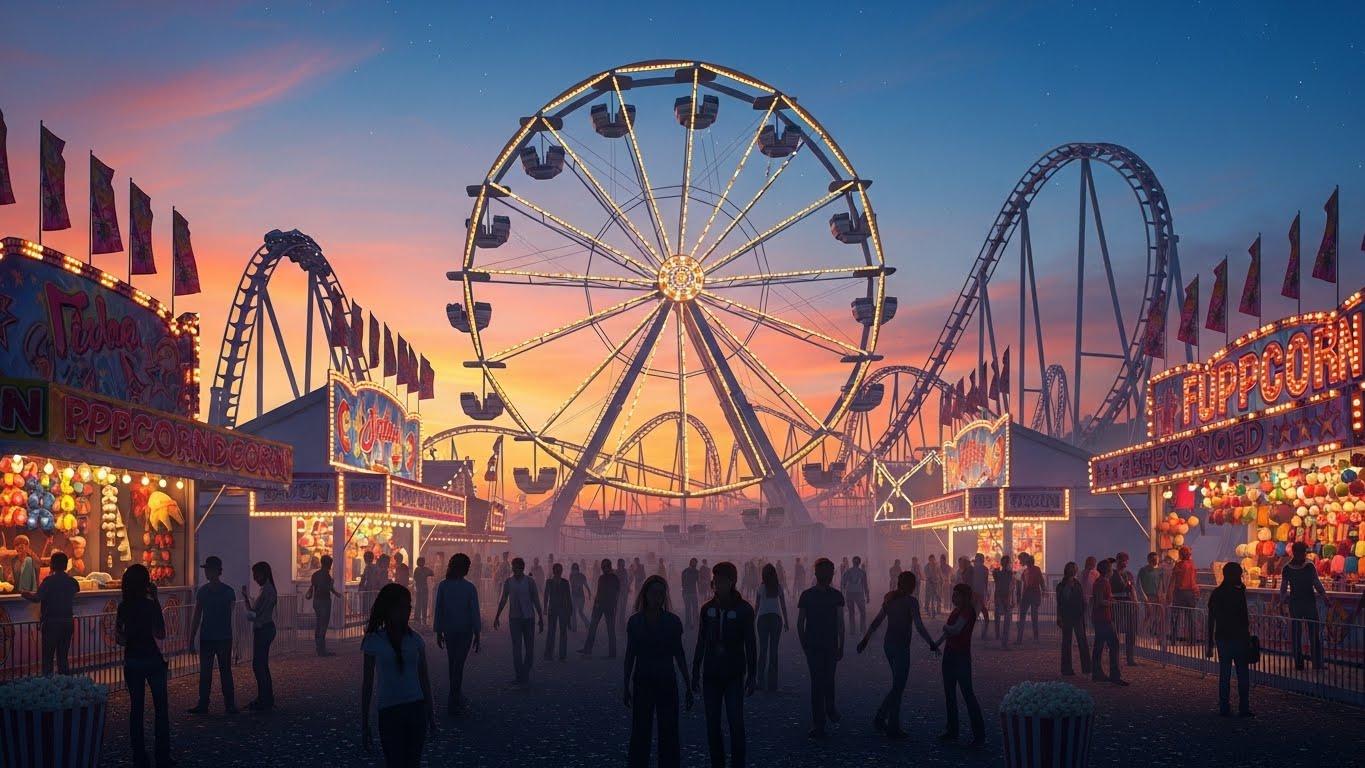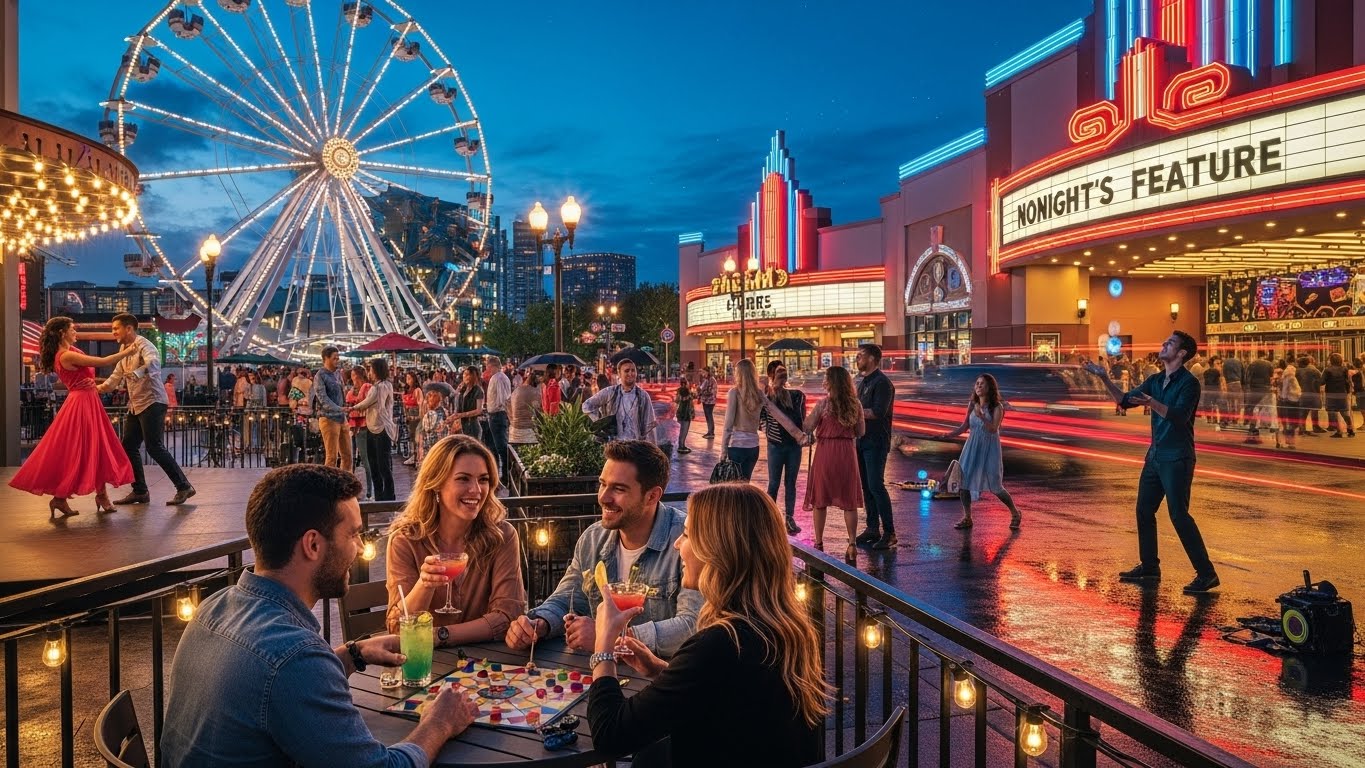
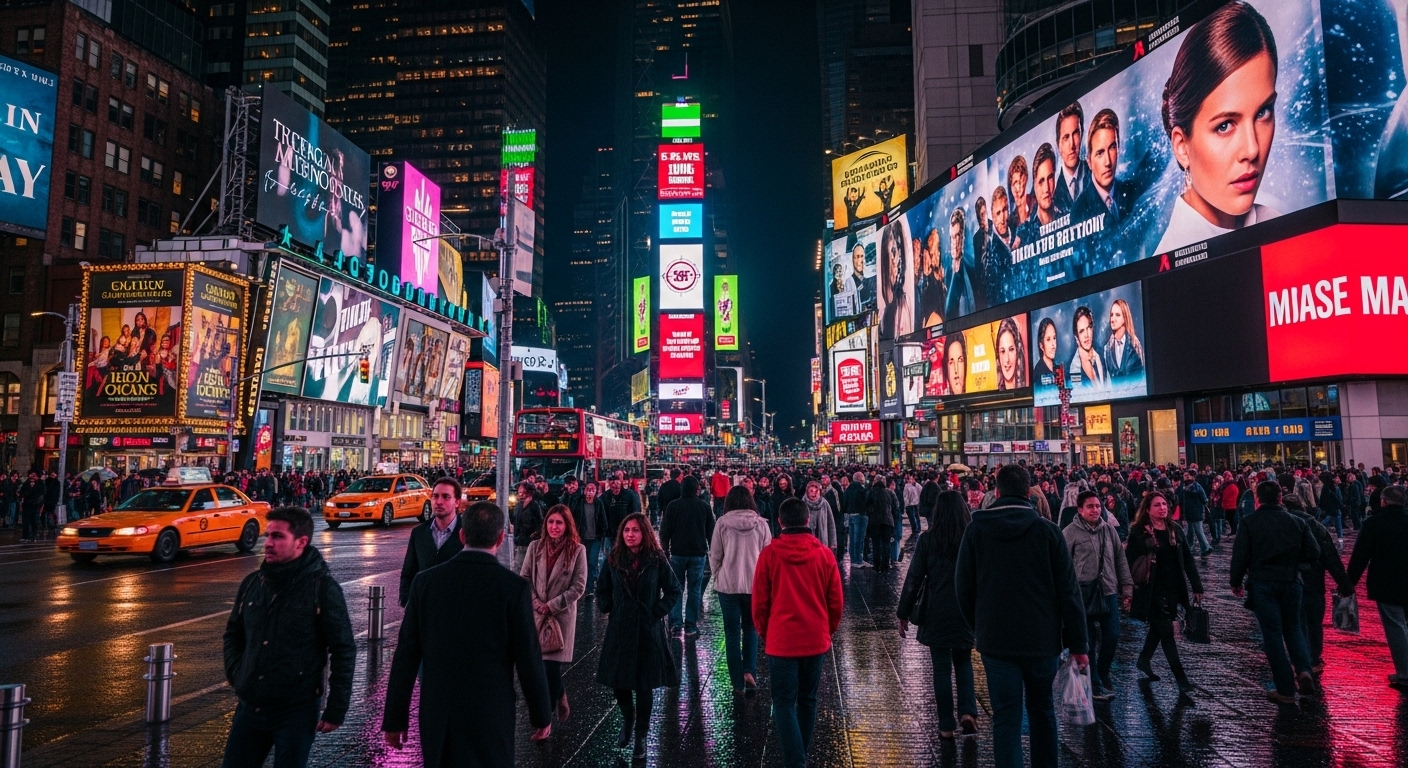
Entertainment is an ever-evolving force that shapes our lives in countless ways. From the days of radio dramas and black-and-white television to the high-definition streaming services of today, the world of entertainment has undergone a radical transformation. Today, it is not just about consuming content—it’s about interacting with it, sharing it, and creating it in new and dynamic ways. The entertainment industry has entered a new era, fueled by technological advancements and a deeper sense of connectivity. In this post, we’ll explore how entertainment has changed over the years and how it continues to shape culture, technology, and society.
The Traditional Era of Entertainment
For much of the 20th century, traditional forms of entertainment dominated. Television, cinema, and radio were the main ways people enjoyed entertainment. The movie theater was the place where families gathered for a night out, and television was the household staple that brought people together for evening shows. Radio was the backdrop to daily life, offering everything from music to news to serialized drama.
This era was defined by big studios, networks, and centralized control of content. The movies you saw in theaters were dictated by studio executives, and the TV shows you watched were scheduled according to network decisions. Audiences had limited options, and their entertainment choices were often influenced by the dominant cultural narratives of the time. Despite this, traditional entertainment forms created some of the most iconic moments in pop culture—whether it was watching the first moon landing on TV or witnessing unforgettable films like Gone with the Wind or The Godfather.
The Rise of Digital Entertainment: Shifting Power to Audiences
The digital revolution brought about a seismic shift in the entertainment industry. The rise of the internet, smartphones, and streaming services fundamentally changed how content was distributed and consumed. With the launch of platforms like YouTube, Netflix, and later, Spotify, people were given an unprecedented level of control over what they consumed and when.
Gone are the days of waiting for a show to air at a specific time. On-demand streaming now lets viewers access a global library of movies, TV shows, and music at the click of a button. What’s more, streaming platforms have given rise to a new era of original content. Netflix, Amazon Prime, and Disney+ have all produced hit shows that rival traditional television in terms of both quality and popularity. These platforms have not only democratized access to content but also made it easier for independent creators to find their audience.
Social media platforms like TikTok, Instagram, and Twitter have added another layer to the entertainment landscape. Social media influencers, musicians, and comedians now have direct access to millions of followers, allowing them to create content that resonates deeply with niche audiences. The line between the consumer and creator has blurred, and this new wave of digital entertainment thrives on user-generated content, where everyone has the potential to be a star.
The Interactive Nature of Modern Entertainment
Entertainment today isn’t just passive—it’s interactive. Video games, virtual reality (VR), and augmented reality (AR) have redefined the role of the audience. No longer are we just watching stories unfold—we’re living them.
The gaming industry is one of the best examples of how entertainment has become interactive. Titles like Fortnite, Minecraft, and Call of Duty allow players to not only engage with virtual worlds but also interact with other players in real-time. These games have become social spaces where people not only play but also connect, collaborate, and compete. The introduction of VR gaming has taken things to a whole new level, immersing players in fully realized 3D environments and allowing them to physically interact with their surroundings.
In addition, AR apps like Pokémon Go have made it possible for users to bring the digital world into the real one. These types of games enhance the way we experience the world, creating a seamless blend of physical and virtual environments. As technology continues to evolve, entertainment will only become more immersive, offering deeper levels of engagement and personal interaction.
The Rise of Streaming and the Decline of Traditional Media
Perhaps the most significant shift in entertainment over the past decade has been the decline of traditional media and the rise of streaming services. In the past, cable television was the standard, and viewers were forced to watch programs according to a fixed schedule. With the advent of streaming platforms, viewers now enjoy the freedom to choose what to watch and when, making traditional cable TV less relevant.
This shift has not only affected how we consume content but also the kind of content we consume. Streaming platforms have revolutionized the entertainment industry by producing high-quality, diverse content that appeals to a global audience. What once was confined to major Hollywood studios and networks is now being created by smaller, independent studios and even individual creators. In the past, a handful of entertainment executives decided what was worth making; now, a combination of algorithms and user preferences determine what becomes popular.
The vast catalog of content available on streaming platforms also enables niche genres to thrive. Whether it’s a documentary about obscure historical events, a cult-classic TV show, or a unique subgenre of music, streaming platforms make it easy for fans to discover content that may not have had a place in mainstream media.
The Role of Social Media in Shaping Modern Entertainment
The rise of social media has also had a profound impact on entertainment. Platforms like TikTok, Instagram, and YouTube have given rise to a new breed of stars—those who may not have ever had the chance to appear on traditional television or film. Influencers, vloggers, and TikTok creators are now central to modern entertainment. These creators are not only entertainers but also trendsetters who have a direct influence on the culture, influencing everything from fashion to music to social issues.
The viral nature of social media has also created new forms of entertainment that transcend traditional formats. Memes, short videos, and viral challenges have become essential parts of the entertainment ecosystem, providing people with quick, shareable bursts of humor and insight. This democratization of entertainment means that anyone, anywhere, can become a creator and share their work with the world, with the potential to reach millions in a matter of hours.
The Future of Entertainment: Immersive Technologies and Beyond
Looking ahead, the future of entertainment is brimming with exciting possibilities, primarily driven by emerging technologies like artificial intelligence (AI), virtual reality (VR), and augmented reality (AR). These technologies will create new forms of storytelling and experiences that are more immersive and interactive than ever before.
In the realm of VR and AR, we may soon see entertainment that allows us to truly step inside a story. Imagine watching a movie not as a passive observer but as an active participant, with the ability to influence the plot and interact with characters in real-time. Similarly, AI could play a significant role in personalizing content, providing each user with a unique entertainment experience based on their preferences, habits, and past interactions.
Furthermore, as 5G technology becomes more widespread, streaming content will be able to reach higher resolutions and offer more interactive experiences with minimal lag, taking gaming, VR, and live events to a whole new level. Live concerts in virtual spaces, AI-driven storytelling, and next-gen gaming will blur the lines between the physical and virtual worlds, creating a truly immersive entertainment landscape.
Conclusion: The Infinite Potential of Entertainment
The landscape of entertainment has shifted dramatically in recent decades, evolving from a world dominated by passive consumption of content to one of active engagement, personalization, and immersion. Traditional media formats like television and cinema are no longer the only game in town, with streaming platforms, social media, and interactive technologies opening new doors to creativity and connection.
As technology continues to advance, so too will the ways in which we experience entertainment. The possibilities are endless, from fully immersive virtual worlds to AI-generated content that adapts to our tastes and preferences. One thing is certain: entertainment will remain a central part of our lives, constantly evolving to meet our changing needs and desires. Whether it’s through gaming, streaming, social media, or immersive experiences, the future of entertainment is more exciting than ever.