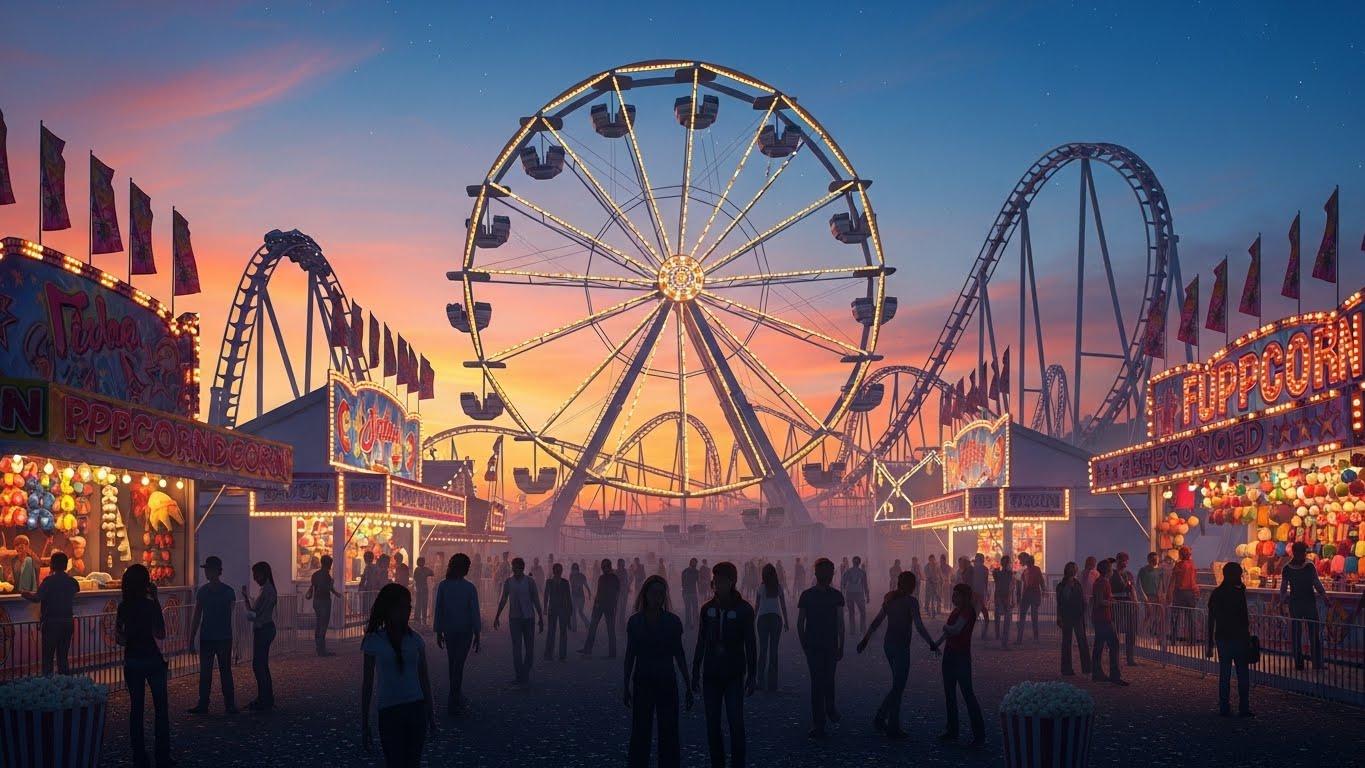
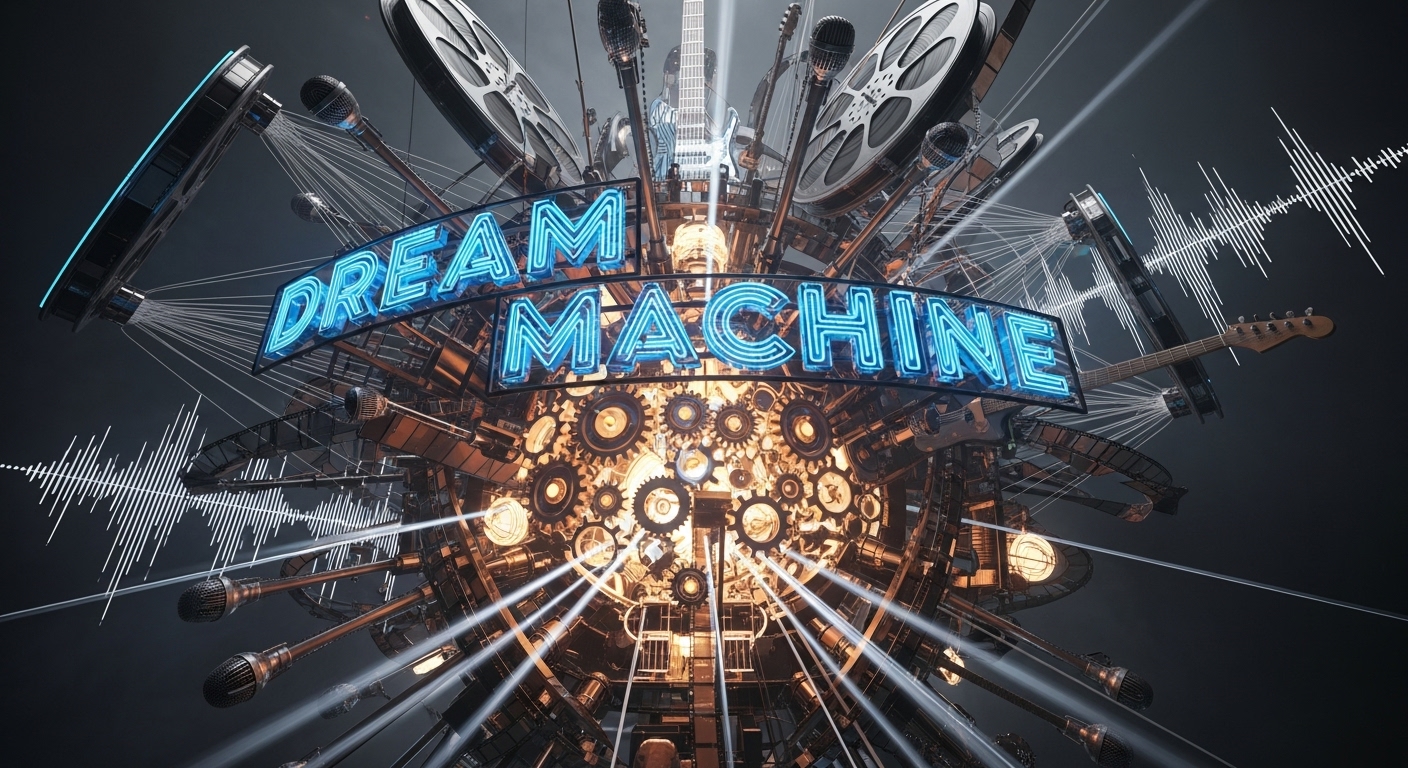
Entertainment has always been an essential part of human life. From ancient performances in amphitheaters to modern-day streaming services, it has evolved to meet the changing tastes and technological advancements of society. The entertainment industry reflects our culture, dreams, and even societal challenges, making it both a mirror and a driver of social change. In this blog, we will explore the fascinating world of entertainment, from its origins to its current trends, and why it continues to captivate audiences across the globe.
The Roots of Entertainment: A Glimpse into History
Entertainment is as old as civilization itself. In ancient times, entertainment was more communal and participatory. Societies relied on storytelling, dance, music, and theater to convey history, beliefs, and morals. For example, ancient Greek and Roman civilizations had grand theaters where dramas and comedies were performed, often drawing large audiences from diverse social classes. Similarly, ancient India had rich storytelling traditions, with epics like the Mahabharata and Ramayana being performed through dance, puppetry, and theater.
Music has always been a crucial component of entertainment. Early humans used simple instruments made of wood, bone, and stone to create rhythm and melody. Over centuries, these rudimentary sounds evolved into complex orchestral compositions and modern music genres. The purpose of entertainment was not merely amusement; it also served educational and religious functions, offering moral lessons and fostering social cohesion.
Cinema: The Silver Screen Revolution
The birth of cinema marked a revolutionary shift in the entertainment landscape. In the late 19th and early 20th centuries, motion pictures emerged as a new form of storytelling, captivating audiences with moving images and narratives. Silent films like “The Birth of a Nation” and “Metropolis” showcased how visual storytelling could evoke emotions without spoken words. The advent of sound in cinema, famously introduced by “The Jazz Singer” in 1927, added a new layer of engagement, allowing audiences to connect with characters and stories on a deeper level.
Over time, cinema evolved into various genres, catering to every taste and age group. Action-packed blockbusters, romantic dramas, comedies, and thrillers became staples of entertainment worldwide. Iconic film industries, such as Hollywood in the United States and Bollywood in India, emerged, each with its distinct style and global influence. Hollywood became synonymous with high-budget spectacles and star-studded casts, while Bollywood combined music, dance, and melodrama to create uniquely vibrant films that resonated with millions.
Technological innovations, such as 3D, CGI, and immersive sound design, have continually pushed the boundaries of cinematic experience. Audiences today can witness fantastical worlds, breathtaking stunts, and visually stunning spectacles, all from the comfort of their theaters or even their living rooms via streaming platforms.
Television: The Entertainment Hub at Home
While cinema offered a grand escape, television brought entertainment directly into our homes. The mid-20th century saw televisions becoming household staples, offering a mix of news, sports, and entertainment. Classic TV shows like “I Love Lucy” and “Friends” became cultural phenomena, shaping fashion, language, and social norms. Television allowed viewers to experience serialized storytelling, where audiences could invest in characters over months or years, creating a sense of intimacy and attachment.
Television also played a vital role in shaping public opinion and reflecting societal issues. Shows tackled topics like civil rights, gender equality, and family dynamics, subtly influencing viewers’ perceptions and conversations. The evolution of cable networks and later satellite television expanded access to international content, broadening viewers’ horizons and introducing them to diverse cultures and narratives.
Music: The Universal Language
Music is perhaps the most universally accessible form of entertainment. It transcends language, geography, and culture, evoking emotions in ways that words alone cannot. From classical symphonies to modern pop hits, music has continuously adapted to reflect societal trends, technological innovations, and cultural movements. The invention of recording technologies and radio broadcasting allowed artists to reach millions of listeners, transforming music into a mass entertainment phenomenon.
The digital age further revolutionized music consumption. Streaming platforms made it possible for audiences to access vast libraries of songs anytime, anywhere, leading to the rise of global superstars and niche genres alike. Festivals, live concerts, and virtual performances continue to offer immersive experiences, bringing fans closer to their favorite artists and fostering a sense of community around shared musical interests.
Gaming: Entertainment in the Digital Realm
The rise of video games marked a significant shift in how people interact with entertainment. Unlike passive forms of media, gaming offers active engagement, requiring skill, strategy, and decision-making. Early arcade games like “Pac-Man” and “Space Invaders” laid the foundation for a multi-billion-dollar industry that now spans consoles, PCs, and mobile devices. Modern games feature intricate storylines, lifelike graphics, and multiplayer experiences that connect players across continents.
Gaming has also become a cultural phenomenon, with esports tournaments attracting massive audiences and professional gamers achieving celebrity status. Beyond entertainment, games now serve educational, therapeutic, and social purposes, demonstrating the medium’s versatility and impact.
Streaming Services: The Age of On-Demand Entertainment
The digital revolution has transformed how audiences consume entertainment. Streaming platforms like Netflix, Disney+, and others have redefined viewing habits, allowing users to watch content on-demand rather than following traditional broadcast schedules. This shift has led to the creation of binge-worthy series, limited series, and experimental storytelling formats that challenge conventional narratives.
Streaming has also democratized content creation, giving independent filmmakers and producers a platform to reach global audiences without traditional studio backing. This accessibility has enriched the entertainment landscape, introducing diverse voices and stories that might otherwise have remained unheard.
The Role of Celebrities in Entertainment
Celebrities have long been central to entertainment, serving as both creators and icons. Actors, musicians, and athletes often influence fashion, lifestyle, and public opinion, becoming aspirational figures for millions. Their personal lives, controversies, and achievements become a form of entertainment in themselves, blurring the lines between professional output and public fascination.
The rise of social media has amplified celebrity influence, allowing stars to connect with fans directly and cultivate personal brands. This dynamic has reshaped marketing, media coverage, and fan engagement, making entertainment more interactive and participatory than ever before.
Live Performances: The Magic of Presence
Despite technological advancements, live performances remain a cornerstone of entertainment. Theater, concerts, circus acts, and comedy shows offer a unique experience that cannot be replicated on screens. The energy of a live audience, the immediacy of performance, and the unpredictability of the moment create a connection that resonates deeply with participants.
Events like music festivals, Broadway productions, and international theater tours highlight the enduring appeal of live entertainment. These experiences foster community, celebration, and shared memories, reminding us of the human desire for connection and storytelling.
The Impact of Technology on Entertainment
Technology has been a driving force in shaping entertainment. Innovations in visual effects, sound design, and interactive experiences have expanded the possibilities for creators and audiences alike. Virtual reality (VR) and augmented reality (AR) are opening new frontiers, allowing users to immerse themselves in fantastical worlds and interact with narratives in unprecedented ways.
Artificial intelligence is also influencing content creation, from music composition to scriptwriting, offering tools that enhance creativity while raising questions about authenticity and artistry. As technology continues to evolve, the line between entertainment and lived experience becomes increasingly blurred, promising exciting and sometimes unexpected developments.
Cultural Significance of Entertainment
Entertainment is more than just diversion; it reflects and shapes culture. Films, music, and literature often mirror societal values, conflicts, and aspirations, providing insight into the human condition. For example, dystopian films may comment on political anxieties, while romantic comedies explore evolving relationship norms. Music festivals celebrate identity, community, and freedom of expression, while theater and literature can challenge societal norms and provoke dialogue.
Moreover, entertainment fosters empathy. By presenting diverse perspectives and experiences, it encourages audiences to see the world through different lenses, promoting understanding and social cohesion. This cultural significance underscores why entertainment remains a vital part of human society.
Future Trends in Entertainment
The future of entertainment promises continued innovation and transformation. Personalized content, driven by algorithms and artificial intelligence, will tailor experiences to individual preferences, creating highly immersive and customized consumption. Interactive storytelling, gamified experiences, and cross-platform narratives will redefine engagement, blending multiple forms of media into cohesive experiences.
Sustainability and inclusivity are also shaping the industry. Creators and organizations are increasingly conscious of their environmental footprint and social responsibility, reflecting changing societal values. Virtual concerts, digital art exhibitions, and eco-friendly production practices are becoming standard, signaling a shift toward a more conscious and connected entertainment ecosystem.
Conclusion: Why Entertainment Matters
Entertainment is a universal human experience, transcending borders, languages, and generations. It offers joy, escape, reflection, and connection, enriching lives in countless ways. From ancient storytelling to modern streaming services, from live theater to virtual reality, entertainment continues to evolve, reflecting our creativity, curiosity, and humanity.
In a rapidly changing world, entertainment remains a constant source of wonder, inspiration, and cultural dialogue. It reminds us of our shared experiences, our dreams, and our potential for imagination. Whether we are laughing at a comedy, crying at a film, or cheering at a concert, entertainment connects us to ourselves and to each other, making life richer, more vibrant, and infinitely more engaging.