Entertainment is a fundamental part of human life. It provides not only amusement and joy but also an essential escape from the pressures of daily life. Over the years, the world of entertainment has evolved drastically, adapting to technological advancements and shifting societal trends. From classic cinema to interactive video games and global music sensations, entertainment is an ever-expanding universe that reflects culture, creativity, and innovation.
The Golden Age of Cinema
Cinema has long been considered the pinnacle of entertainment. The magic of the silver screen began in the late 19th and early 20th centuries, with silent films captivating audiences worldwide. Movies like The Birth of a Nation and Metropolis showcased the potential of storytelling through visuals, forever changing the way humans experience stories.
As time progressed, sound and color revolutionized the film industry. The 1930s and 1940s marked Hollywood’s golden era, with iconic actors like Humphrey Bogart, Audrey Hepburn, and Cary Grant becoming household names. Musicals, romance, and noir films dominated theaters, offering a mix of glamour and drama that kept audiences enthralled. These films weren’t just entertainment—they were cultural touchstones that influenced fashion, language, and even societal ideals.
Modern Cinema and Streaming Culture
Fast forward to today, and the landscape of cinema has shifted dramatically. The rise of streaming platforms has transformed how audiences consume content. Services like Netflix, Amazon Prime, and Disney+ have made it possible to watch high-budget films from the comfort of home. This shift has not only altered viewing habits but also the types of stories being told.
Modern cinema is characterized by diversity and experimentation. Superhero franchises dominate box offices, offering epic spectacles that blend action, comedy, and drama. At the same time, indie films and documentaries have gained prominence, providing nuanced storytelling and shedding light on real-world issues. Audiences now enjoy a broader array of genres than ever before, catering to every imaginable taste.
The Power of Television
While cinema holds a special place in entertainment history, television has also played a transformative role. Television brought storytelling directly into homes, creating a more intimate form of engagement. Classic shows like Friends, The Simpsons, and Game of Thrones became cultural phenomena, sparking conversations and influencing generations.
Television has evolved from network programming to on-demand content, mirroring the shift seen in film. Streaming has enabled long-form storytelling to thrive, with series now competing with movies in production quality, narrative depth, and audience reach. This era has also seen the rise of international content, with shows from Korea, Spain, and India capturing global audiences, emphasizing that entertainment transcends language and borders.
Music: The Universal Language
Music is perhaps the most universally accessible form of entertainment. It has the power to evoke emotions, recall memories, and unite people across cultures. From classical symphonies to contemporary pop hits, music continues to evolve while remaining a constant source of joy and expression.
The rise of digital platforms has democratized music, allowing independent artists to reach global audiences without traditional record labels. Genres are constantly blending, giving rise to innovative sounds and collaborations. Festivals, concerts, and live performances still hold a special place in entertainment, providing immersive experiences that cannot be replicated digitally.
The Magic of Theater
While cinema and television dominate screens, live theater continues to offer a unique form of entertainment. The stage is a space where storytelling comes alive in real time, creating a visceral connection between performers and audiences. Broadway and West End productions, with their elaborate sets and performances, continue to enchant theatergoers worldwide.
Theater is not just limited to musicals and plays; experimental performances, immersive theater experiences, and street performances have emerged, reflecting a growing appetite for innovation in entertainment. It’s an art form that combines creativity, discipline, and human connection in a way that digital mediums cannot fully replicate.
Video Games: Interactive Entertainment
In recent decades, video games have become one of the most influential entertainment mediums. Unlike passive experiences such as watching a film, gaming allows individuals to actively participate, make choices, and shape their experiences. From early consoles like the NES to modern platforms like PlayStation 5 and Xbox Series X, video games have transformed from niche hobbies into mainstream entertainment.
Gaming has also evolved socially, with online multiplayer experiences connecting players across the globe. Esports, professional competitive gaming, has emerged as a billion-dollar industry, drawing millions of spectators and offering careers that were unimaginable just a few decades ago. Additionally, mobile gaming has made entertainment accessible to nearly everyone, breaking barriers and creating a new generation of casual gamers.
The Influence of Social Media
In the 21st century, social media has become a powerful form of entertainment. Platforms like Instagram, TikTok, and YouTube allow users to create, share, and consume content instantly. Short videos, memes, challenges, and live streams have become central to modern entertainment culture.
Social media has also blurred the lines between creators and audiences. Influencers, content creators, and vloggers have become entertainers in their own right, often rivaling traditional celebrities in popularity and influence. It has democratized fame and allowed niche content to thrive, catering to highly specific interests and communities worldwide.
Comedy: Laughter as Entertainment
Comedy is an essential facet of entertainment. From slapstick and stand-up to satire and dark humor, comedy has the power to uplift, provoke thought, and foster connection. Historically, comedic theater, vaudeville, and radio shows provided laughter in times of hardship, reinforcing the timeless appeal of humor.
Today, comedy spans television, film, social media, and live performances. Stand-up comedians tackle societal issues, personal experiences, and absurdities, reflecting the world through laughter. Memes and internet humor have created a new form of comedic entertainment, often highly shareable and culturally significant.
The Role of Animation
Animation has carved its niche as both children’s entertainment and adult storytelling. From Disney classics to anime sensations, animated content transcends age and cultural boundaries. Its flexibility allows creators to bring fantastical worlds and imaginative characters to life in ways that live-action cannot always achieve.
Animation has also grown in sophistication. Modern techniques in CGI and motion capture have made animated films visually stunning, often indistinguishable from reality. This medium continues to evolve, inspiring creativity and capturing hearts worldwide.
Celebrity Culture and Entertainment
Celebrity culture is intertwined with entertainment. Celebrities not only perform in films, music, or sports but also become cultural icons influencing fashion, trends, and societal ideals. Red carpet events, award shows, and media appearances create a sense of glamour and aspiration, fueling public fascination.
While celebrity culture has faced criticism for promoting superficiality, it also provides inspiration and representation. Stories of perseverance, talent, and transformation resonate with audiences, reinforcing the emotional power of entertainment.
The Impact of Technology on Entertainment
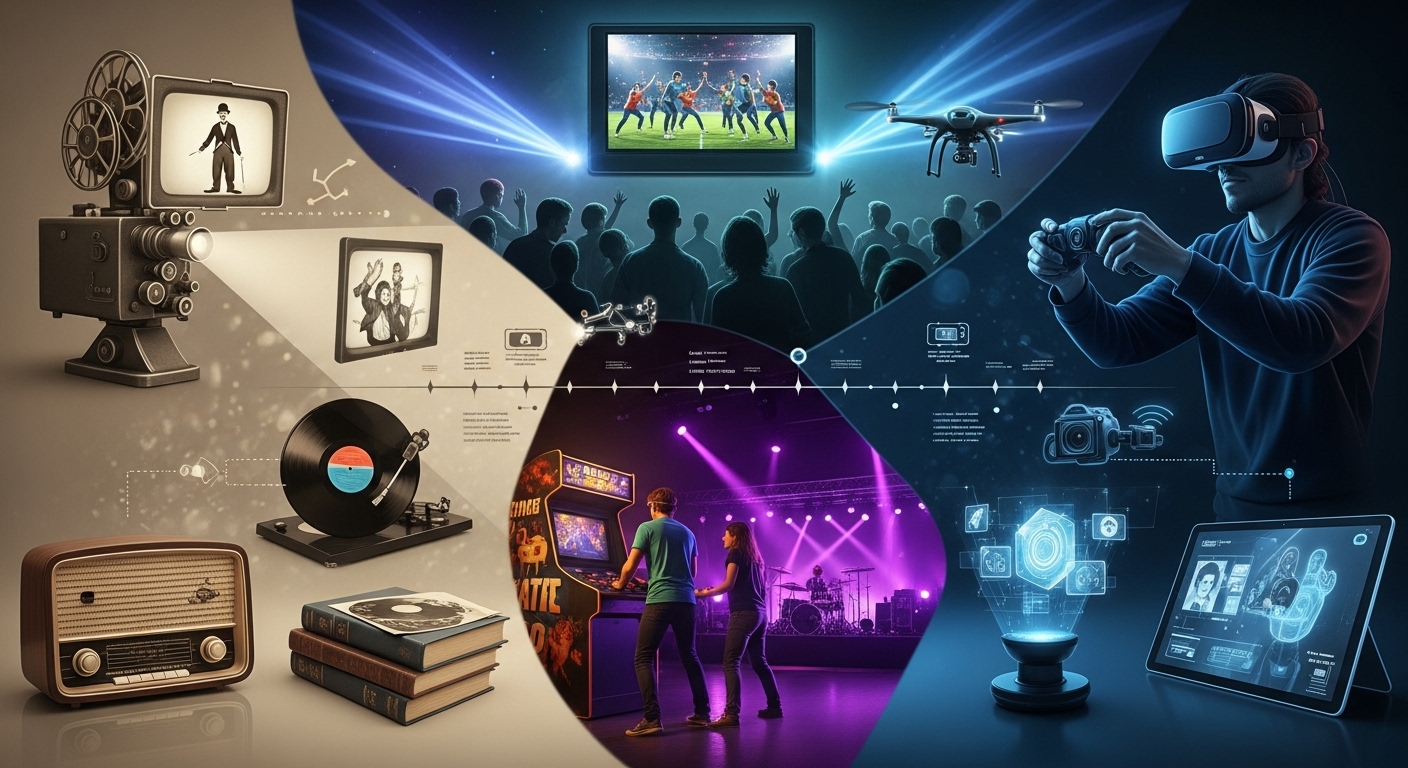
Technology has reshaped every aspect of entertainment. Virtual reality (VR) and augmented reality (AR) have introduced immersive experiences that were once the realm of science fiction. Artificial intelligence now contributes to content creation, from music composition to scriptwriting, expanding creative possibilities.
Streaming technology, high-speed internet, and mobile devices have made entertainment instantly accessible. Audiences can watch, listen, or play anywhere, anytime, marking a shift from scheduled programming to on-demand culture. These advancements continue to blur the lines between reality and digital experiences.
The Globalization of Entertainment
Entertainment today is global. International films, music, and television shows find audiences far beyond their country of origin. K-pop, Bollywood, anime, and Latin music have all become international phenomena, highlighting the universality of storytelling and emotion.
Global entertainment fosters cross-cultural understanding, exposing audiences to new ideas, languages, and traditions. It also encourages collaboration, with creators from different countries joining forces to produce content that appeals to diverse audiences.
The Future of Entertainment
The future of entertainment promises even more innovation. Emerging technologies like holographic concerts, AI-generated content, and fully immersive virtual worlds will redefine how audiences interact with stories. Sustainability and inclusivity are also becoming central, with creators focusing on diverse representation and eco-conscious production.
The human desire for connection, joy, and wonder will continue to drive entertainment. Whether through films, games, music, or live experiences, entertainment will adapt, inspire, and captivate for generations to come.
Conclusion
Entertainment is more than just a pastime—it is a reflection of human creativity, emotion, and culture. From the grandeur of Hollywood to the intimacy of live theater, from the interactivity of video games to the global reach of social media, the entertainment landscape continues to evolve in exciting ways. Its power lies in its ability to bring people together, spark imagination, and provide moments of escape, joy, and reflection. As technology and creativity advance, the possibilities for entertainment are limitless, ensuring that this vibrant world will continue to thrill, inspire, and unite us all.