Entertainment has always been an essential part of human existence, whether it’s through storytelling, music, theater, or film. Over the centuries, the forms of entertainment have changed dramatically, from the live performances of ancient Greece to the highly sophisticated digital experiences of today. With the rapid advancement in technology, new forms of entertainment emerge almost every day, offering audiences increasingly immersive and personalized experiences. This blog will explore the dynamic landscape of entertainment, delving into current trends, technological innovations, and the ways in which people are consuming content in the 21st century.
The Rise of Digital Streaming
One of the most significant transformations in the entertainment industry over the last decade has been the shift from traditional cable TV and cinema to digital streaming platforms. Services like Netflix, Amazon Prime Video, Disney+, and Hulu have revolutionized the way people consume television shows, movies, and documentaries. With the convenience of on-demand content, viewers now have control over when and where they watch their favorite films and series. This change in consumption habits has led to the so-called “binge-watching” culture, where entire seasons of a series are devoured in one sitting.
The streaming revolution has not only changed how people watch content, but it has also transformed the types of content being created. The increasing demand for original content on platforms like Netflix and HBO Max has prompted these companies to invest heavily in producing exclusive movies, TV shows, and documentaries. This has, in turn, fostered a golden age of television, where series like “Stranger Things,” “The Crown,” and “Succession” dominate pop culture.
However, the dominance of streaming services has also raised questions about the future of traditional cinemas. With a global pandemic reshaping how people experience entertainment, movie theaters faced enormous financial challenges, and the release of blockbuster films became delayed or bypassed altogether in favor of streaming premieres. The outcome of this shift remains to be seen, as audiences and filmmakers adjust to the new normal.
Virtual Reality (VR) and Augmented Reality (AR): Immersing the Audience
Virtual reality (VR) and augmented reality (AR) have the potential to change the entertainment industry forever. While VR offers fully immersive experiences, AR layers digital elements over the real world, blending physical and virtual realities. Both of these technologies are still in their infancy, but they have already started to influence video games, films, and live events.
In the world of gaming, VR has taken players into entirely new dimensions. With devices like the Oculus Rift, HTC Vive, and PlayStation VR, players can step into virtual worlds, interact with them, and feel as though they are truly part of the action. Games like “Beat Saber” and “Half-Life: Alyx” are perfect examples of how VR has redefined gaming experiences, providing unparalleled immersion that traditional gaming consoles can’t offer.
AR, on the other hand, has had a more subtle yet impactful effect on entertainment. Mobile games like “Pokémon Go” brought AR into the mainstream by encouraging players to interact with the physical world while capturing virtual creatures. Entertainment companies have started to experiment with AR in live events, like concerts and theater productions, where digital effects are integrated with real-time performances, adding layers of engagement to the audience’s experience.
Moreover, VR and AR have been explored in the realm of cinema, offering audiences a chance to experience movies in entirely new ways. For example, immersive VR cinema experiences, where viewers can control their perspective and interact with the environment, are slowly gaining traction. As the technology continues to evolve, the boundaries between physical and digital experiences will blur even further, offering audiences unparalleled levels of engagement.
Social Media’s Role in Shaping Entertainment
Social media platforms have become vital players in shaping the entertainment landscape. Platforms like Instagram, YouTube, TikTok, and Twitter serve as gateways to both discover new content and interact with creators. For many people, social media has become a primary source of entertainment, from watching viral videos and live-streamed events to following influencers who share their daily lives.
TikTok, in particular, has emerged as a dominant force in entertainment, with its short-form video format and viral trends taking over global culture. The app’s algorithm is designed to quickly identify and promote content that resonates with users, making it easier for both established creators and newcomers to reach massive audiences. As a result, TikTok has given rise to a new generation of influencers, many of whom have crossed over into traditional media like music, TV, and film.
Social media has also enabled more interactivity between creators and their fans. Live streaming platforms like Twitch allow people to watch gamers, musicians, and other content creators broadcast their activities in real-time, while interacting with the audience through chat and donations. This direct engagement has fostered a sense of community and connection that traditional entertainment forms could not replicate.
While social media has provided new opportunities for creators, it has also reshaped how traditional entertainment industries operate. Hollywood studios, record labels, and fashion houses now focus heavily on online presence and influencer collaborations to build hype and increase sales. It’s no longer just about making a hit movie or album; it’s also about generating buzz and conversation on platforms where audiences spend much of their time.
The Growth of Esports and Online Gaming
Esports has grown into one of the most significant entertainment industries of the 21st century, drawing millions of viewers to live streams, tournaments, and online competitions. Video game titles like “League of Legends,” “Fortnite,” and “Counter-Strike” have become cultural phenomena, with players and teams competing for substantial cash prizes. Esports tournaments are now broadcast globally, with millions tuning in on platforms like Twitch and YouTube to watch their favorite teams battle it out in high-stakes games.
Esports is no longer a niche hobby but a multi-billion-dollar industry that rivals traditional sports in terms of viewership, sponsorship deals, and media coverage. Professional gamers are now celebrities, with large followings on social media, endorsement deals, and the opportunity to make a living from playing video games. In addition, universities are starting to offer scholarships for esports athletes, further legitimizing the sport as a viable career path.
The rise of online gaming has also led to the growth of massive multiplayer online games (MMOs) and the rise of “live service” games. These games, which offer continuous updates and live events, provide players with ongoing entertainment and engagement. Games like “Fortnite” have incorporated in-game concerts, live performances, and crossovers with popular movie franchises, blurring the lines between gaming, entertainment, and real-world events.
Live Events: Concerts, Festivals, and Theaters
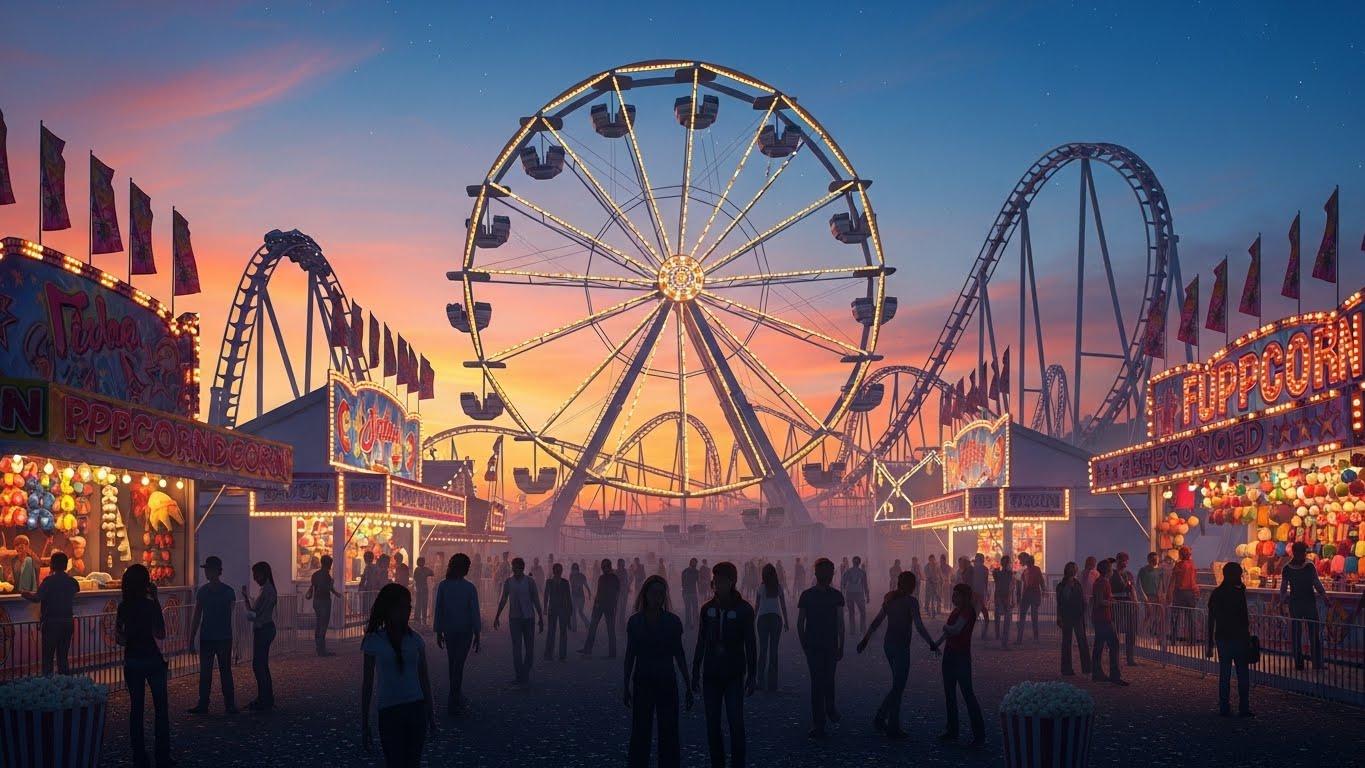
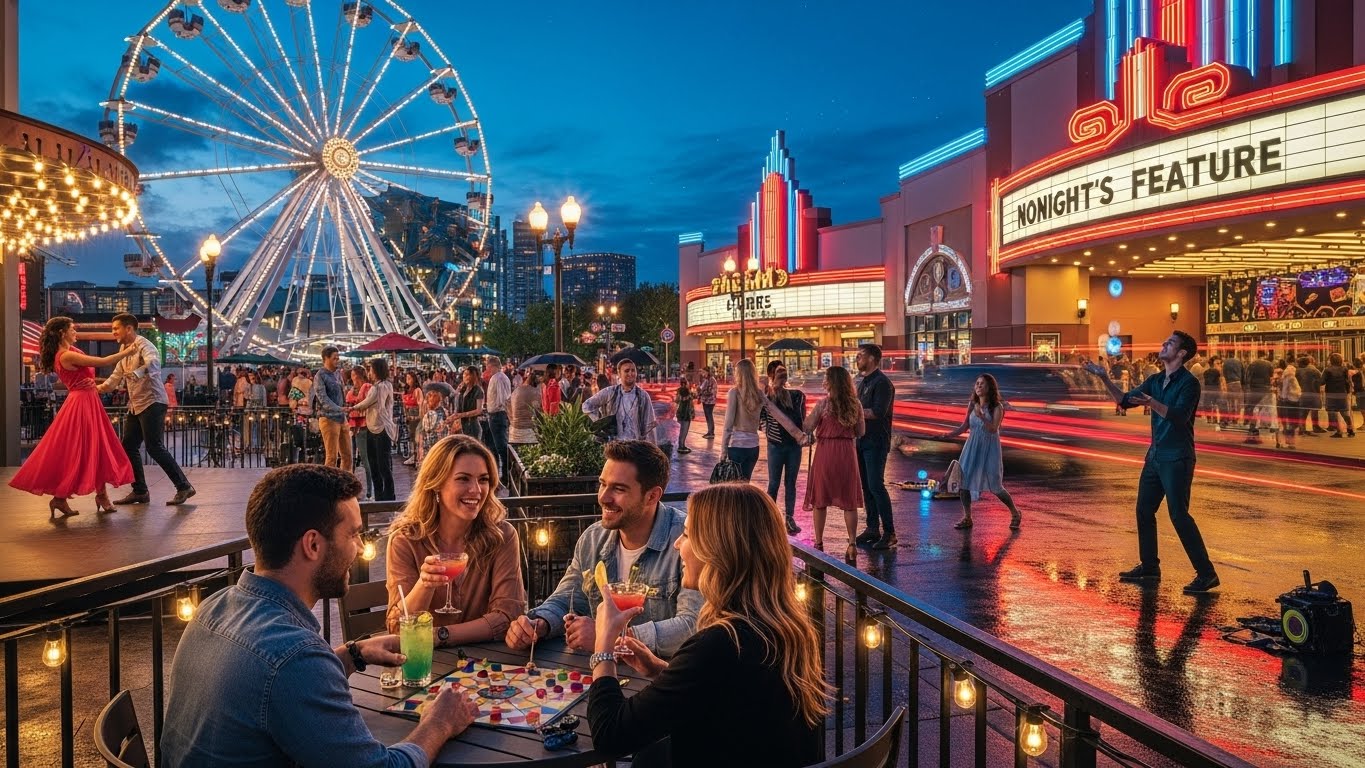
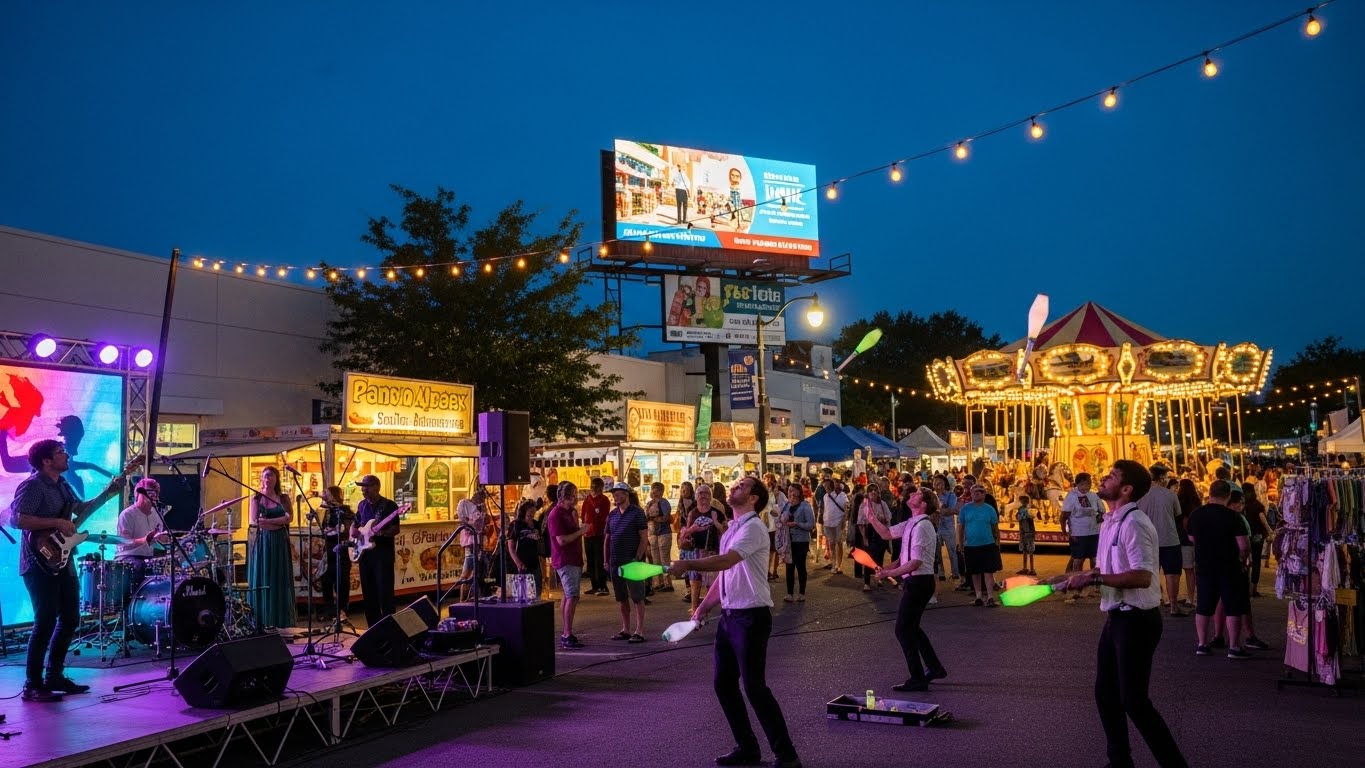
While digital entertainment has become more prominent in recent years, live events continue to hold a special place in the hearts of many. Concerts, music festivals, theater productions, and live sporting events provide audiences with a chance to experience entertainment in a shared physical space, creating a sense of community and excitement.
Technology has enhanced the live entertainment experience in numerous ways. From virtual concerts in the wake of the COVID-19 pandemic to cutting-edge light shows and augmented reality effects at music festivals, the possibilities for enhancing live events are limitless. Artists like Travis Scott and Ariana Grande have held virtual concerts in “Fortnite,” while festivals like Coachella and Glastonbury are experimenting with VR and live-streaming to reach global audiences.
Theaters, too, have embraced digital technology to bring productions to broader audiences. Many theaters now offer live-streamed performances of Broadway shows and plays, allowing people who cannot attend in person to watch from the comfort of their own homes. In addition, innovations like holographic performances and 3D projections are making live theater more immersive and dynamic than ever before.
The Future of Entertainment
As we look to the future, the world of entertainment will continue to evolve and adapt to new technologies, tastes, and cultural trends. The lines between physical and digital experiences will continue to blur, with advancements in AI, VR, and AR creating opportunities for entirely new forms of entertainment that we can’t yet fully imagine.
One potential future development is the rise of AI-generated entertainment. We are already seeing AI being used to generate music, create visual art, and even write scripts. In the future, we could see entirely AI-created movies, TV shows, and video games, personalized to the individual tastes of each viewer or player. AI could also assist creators by offering suggestions, automating tasks, or even helping with content moderation.
Moreover, advancements in 5G technology and the expansion of the metaverse could pave the way for fully immersive entertainment experiences, where users can participate in virtual worlds in real time with little latency or lag. These experiences could range from gaming to live concerts to virtual tourism, all within an interconnected digital universe.
Conclusion
Entertainment has come a long way from its origins, and it will continue to evolve in ways we can only begin to imagine. With the advent of digital streaming, immersive technologies like VR and AR, the explosion of social media influence, and the growth of esports, the entertainment landscape is expanding beyond traditional boundaries. As technology continues to advance, it will be exciting to see how new innovations will transform how we experience entertainment, providing us with more personalized, interactive, and immersive options than ever before. Ultimately, the future of entertainment will be shaped by the intersection of creativity, technology, and the ever-changing tastes of audiences around the world.