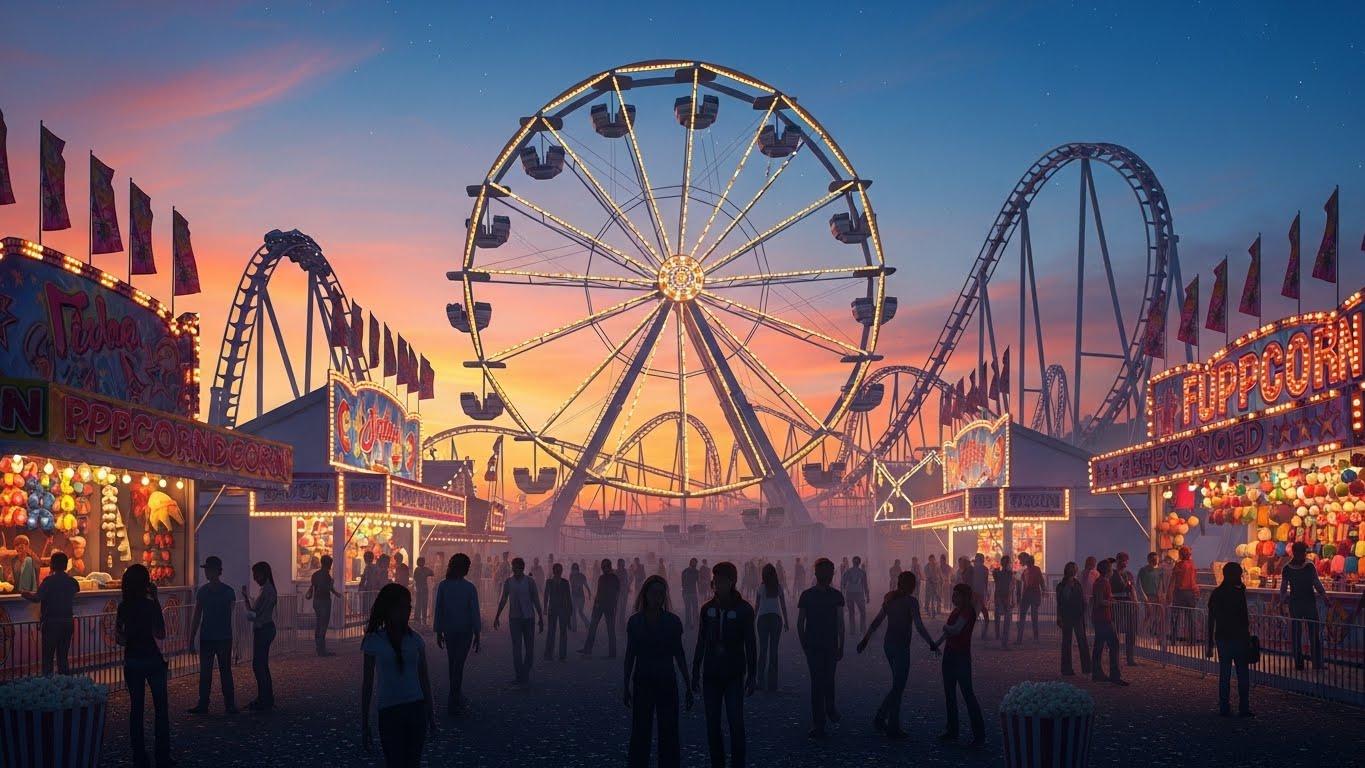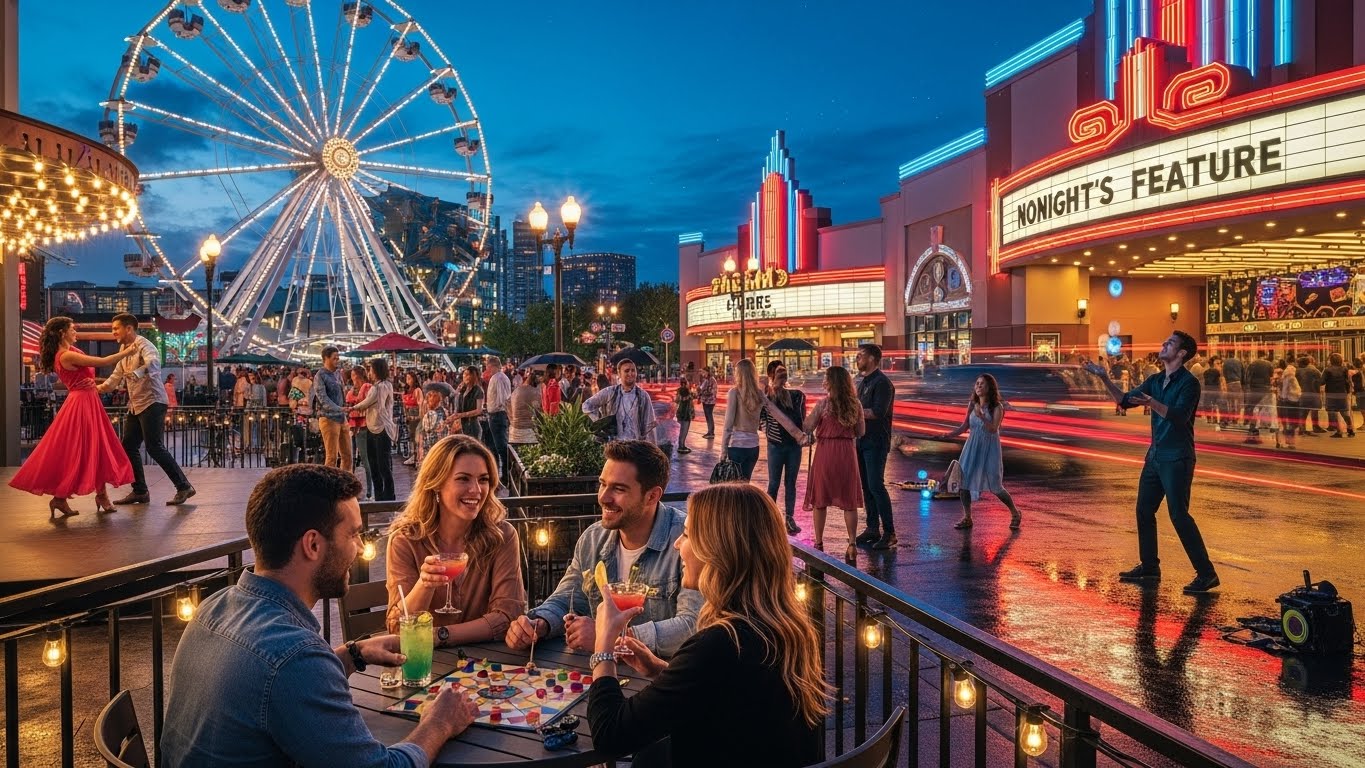
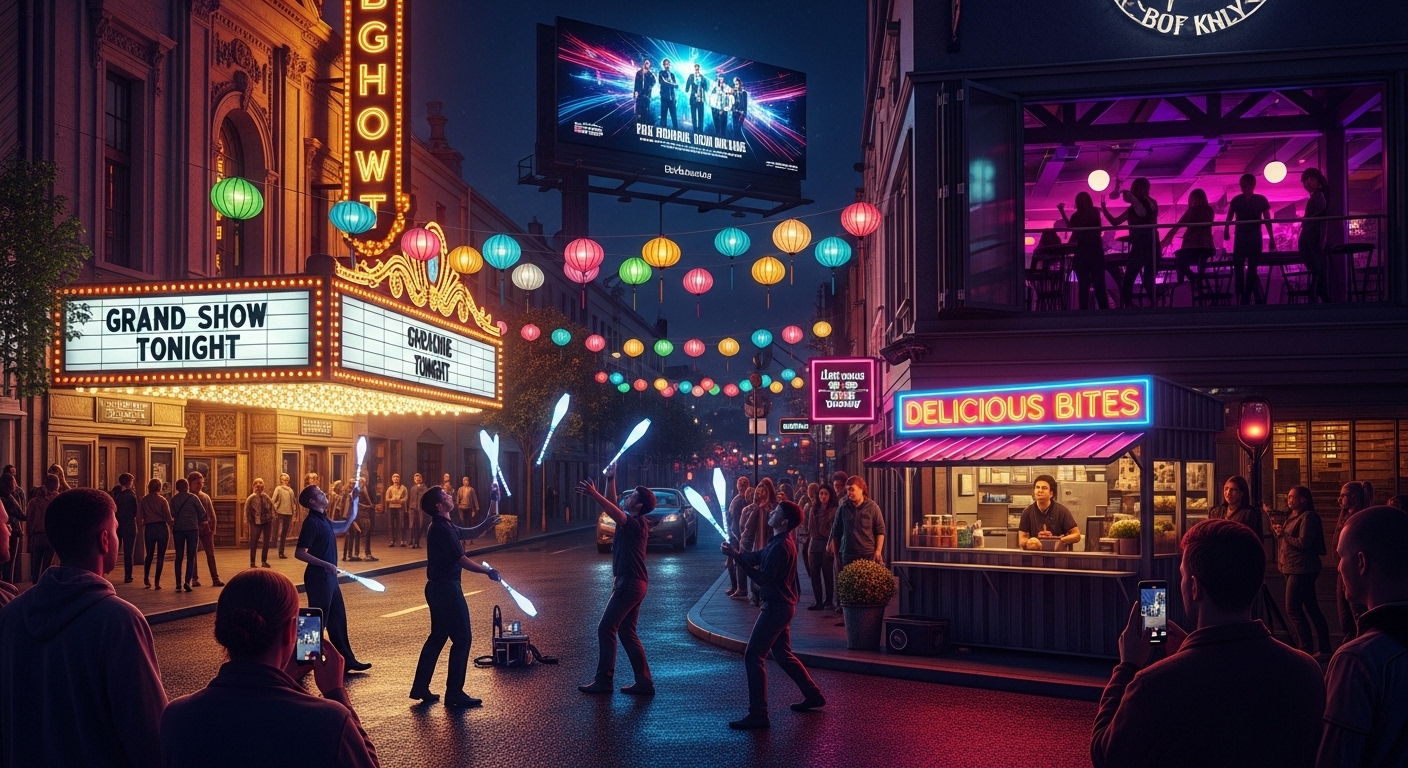
Entertainment has always been a vital part of human existence. From the days of ancient civilizations to the digital era we live in now, people have always sought ways to amuse themselves, escape from reality, and experience joy. The word “entertainment” itself holds a vast meaning. It can refer to anything that brings happiness, laughter, or engagement to our lives. Whether through movies, music, games, or social gatherings, entertainment shapes our emotions and reflects who we are as a society. In today’s world, it is not just about fun—it has become an industry, a culture, and a necessity for mental well-being.
The Evolution of Entertainment
Entertainment has evolved through the centuries, adapting to new inventions, technologies, and human desires. In ancient times, people found amusement through storytelling, dance, and theatre. The Greeks performed tragedies and comedies to express emotions, while the Romans hosted gladiator fights for thrilling spectacles. In Asia, traditional dances, music, and festivals brought communities together.
The invention of the printing press in the 15th century opened a new chapter in entertainment by making books and plays accessible to the public. Later, in the 19th century, photography and motion pictures changed everything. The silent film era introduced stars like Charlie Chaplin, who made people laugh without uttering a single word. The 20th century brought radio, television, and eventually the internet, revolutionizing how we consume entertainment.
Today, entertainment is everywhere. It lives in our phones, our homes, our cars, and even our workplaces. Streaming platforms, video games, social media, and virtual experiences have made it possible to be entertained anytime, anywhere. What once required a stage and audience can now happen through a small screen in your hand.
The Power of Storytelling
Storytelling remains one of the oldest and most powerful forms of entertainment. Even with all our technological advancements, stories continue to connect us. Whether through films, novels, or podcasts, stories allow us to live multiple lives and experience worlds we could never reach otherwise.
The beauty of storytelling lies in its diversity. A story can make us laugh, cry, fear, or reflect. It can challenge our beliefs or strengthen them. Filmmakers, authors, and artists use stories to express emotions and send messages to the world. Some stories become so iconic that they shape entire generations.
Think about how certain movies or books have changed culture. A superhero movie can inspire courage; a romantic film can ignite hope; a comedy show can bring comfort during tough times. Storytelling in entertainment is not only about fiction—it mirrors reality. It teaches empathy, understanding, and awareness through creativity.
Music: The Universal Language
Music is another cornerstone of entertainment. It transcends language, culture, and geography. A melody can make someone dance in Brazil or cry in Japan without a single word being understood. It unites people across the world.
Every era has had its musical identity. From classical compositions to rock and pop revolutions, from jazz to hip-hop, music has shaped emotions and movements. The 20th century saw artists become icons—figures who represented more than just tunes; they represented dreams, struggles, and revolutions.
Today’s music industry has changed drastically. With digital platforms, independent artists can reach global audiences without major record labels. Streaming has democratized music, giving everyone a chance to be heard. Genres mix and evolve; new sounds emerge from every corner of the world. Despite all changes, the emotional connection remains constant. Music still heals, inspires, and entertains like nothing else.
The Magic of Cinema
Cinema is perhaps the most captivating form of entertainment ever created. It combines storytelling, music, art, and technology into one powerful experience. Watching a film is not just about seeing moving images—it’s about entering another world.
Over time, movies have evolved from silent black-and-white reels to colorful 3D blockbusters. The magic of cinema lies in its ability to evoke strong emotions. A good film can make you feel like you are part of its story. It can transport you from the comfort of your home to a faraway galaxy, an ancient kingdom, or even a future yet to come.
Different genres serve different moods—comedy makes us laugh, drama makes us think, horror gives us chills, and fantasy makes us dream. Each film carries the creativity and passion of hundreds of people working behind the scenes. Directors, writers, actors, musicians, and designers come together to create something that can touch millions of hearts.
The Rise of Television and Streaming
Television changed entertainment forever when it entered homes in the mid-20th century. Families gathered around small screens to watch news, shows, and sports. It became a shared experience that connected generations.
However, the real revolution began with the arrival of streaming services. No longer did people need to wait for a show to air at a certain time; everything became available on demand. Viewers could watch entire seasons in one sitting, giving rise to the “binge-watching” culture.
Streaming also gave creators more freedom. Stories that might have been too bold or unconventional for traditional television found their place online. From epic fantasy sagas to dark crime dramas, streaming platforms have expanded the horizons of storytelling. They have blurred the lines between cinema and television, creating a new hybrid world of digital entertainment.
Gaming: The Interactive Future
Video games are no longer just a hobby for children; they are a major part of the entertainment world. Gaming combines technology, art, storytelling, and interactivity in a way no other medium can. Players do not just watch the story—they live it.
The gaming industry has grown faster than any other entertainment sector in recent years. From simple arcade games to massive online worlds, games have evolved into a cultural phenomenon. They offer players experiences that test their skills, creativity, and imagination.
Modern games often feature cinematic storytelling, realistic graphics, and deep emotional themes. Competitive gaming, known as eSports, has turned players into celebrities with millions of fans. Virtual reality and augmented reality are taking gaming even further, blurring the boundary between the real and digital worlds.
Social Media: The Everyday Stage
Social media has transformed entertainment from something we consume to something we create. Platforms allow anyone to become a performer, comedian, or storyteller. Millions of people watch short videos, memes, and live streams daily.
The beauty of social media entertainment lies in its accessibility. You do not need expensive equipment or professional training—just creativity. Viral trends, challenges, and content creators have become the new stars of our generation.
However, social media also brings challenges. It blurs the line between real life and performance. It can create pressure to entertain constantly or seek validation through likes and followers. Despite its flaws, social media remains one of the most powerful tools of modern entertainment, shaping culture faster than any medium before it.
The Role of Sports in Entertainment
Sports are a unique form of entertainment because they combine skill, passion, and unpredictability. Whether it is football, cricket, basketball, or tennis, sports unite fans worldwide. The thrill of competition and the joy of victory create unforgettable moments.
Athletes are more than just players; they are entertainers, role models, and heroes to millions. Major sports events bring nations together, creating celebrations that cross boundaries. The drama of sports—the underdog victories, record-breaking performances, and emotional retirements—offers entertainment in its purest form.
The Theatre and Live Performances
Before cinema and television, theatre was the heart of entertainment. Even today, stage performances hold a special magic. Watching actors perform live creates a connection that no screen can replicate. The energy, emotion, and spontaneity of live theatre make it an irreplaceable experience.
Theatre also preserves cultural heritage through traditional plays, operas, and dance performances. It allows artists to express creativity in its rawest form. Despite digital competition, theatre continues to thrive, reminding us that real human connection is still the essence of entertainment.
Comedy: The Art of Laughter
Laughter is one of the most powerful emotions, and comedy has always been a major source of entertainment. From ancient jesters to modern stand-up comedians, humor helps people cope with life’s challenges.
Comedy reflects society—it exaggerates, mocks, and questions reality in ways that make us think while we laugh. Television sitcoms, online sketches, and live performances have all made comedy accessible to everyone. The best comedians not only make us laugh but also make us see the truth in absurd situations.
Fashion and Celebrity Culture
Fashion is another part of entertainment that fascinates people around the world. Red carpets, award shows, and social media have turned fashion into a spectacle. Celebrities influence trends, and designers express creativity through clothing that tells stories of art, identity, and style.
Celebrity culture itself has become a form of entertainment. People follow their favorite stars’ lives, relationships, and achievements. It is a reflection of our desire to connect with glamour, success, and personality.
The Psychology of Entertainment
Why do humans crave entertainment so deeply? The answer lies in psychology. Entertainment provides escape from routine, relief from stress, and an outlet for emotions. It allows us to experience adventure, romance, and excitement without real-world consequences.
Moreover, entertainment brings people together. Watching a movie, attending a concert, or playing a game connects us with others who share the same interests. It builds communities and strengthens social bonds.
The Business of Entertainment
Entertainment is not just about creativity—it is also one of the biggest industries in the world. Billions of dollars flow through movies, music, games, and sports. Producers, artists, marketers, and distributors work together to bring entertainment to audiences.
With the rise of digital platforms, the business model of entertainment has changed. Traditional studios compete with online creators. Independent artists can now reach millions directly. Advertising, sponsorships, and brand collaborations have become part of the ecosystem.
The Future of Entertainment
The future of entertainment is boundless. With virtual reality, artificial intelligence, and immersive technologies, we are stepping into a world where reality and imagination blend. Interactive storytelling, holographic concerts, and AI-generated music are just the beginning.
As technology evolves, so will the way we experience fun. Yet one thing will never change—the human need to feel, connect, and imagine. Entertainment will always find a way to speak to our hearts, no matter the medium.
Conclusion
Entertainment is more than just a way to pass time—it is a reflection of who we are. It tells our stories, celebrates our emotions, and connects our worlds. From ancient dances to digital screens, from laughter to tears, entertainment remains the heartbeat of humanity. It evolves with us, challenges us, and comforts us.
In every form, whether it is a song that moves us, a movie that inspires us, or a game that excites us, entertainment gives meaning to our leisure and depth to our imagination. It is a universal language that continues to unite generations, cultures, and hearts—proving that the desire to be entertained is, and will always be, one of the most beautiful aspects of being human.