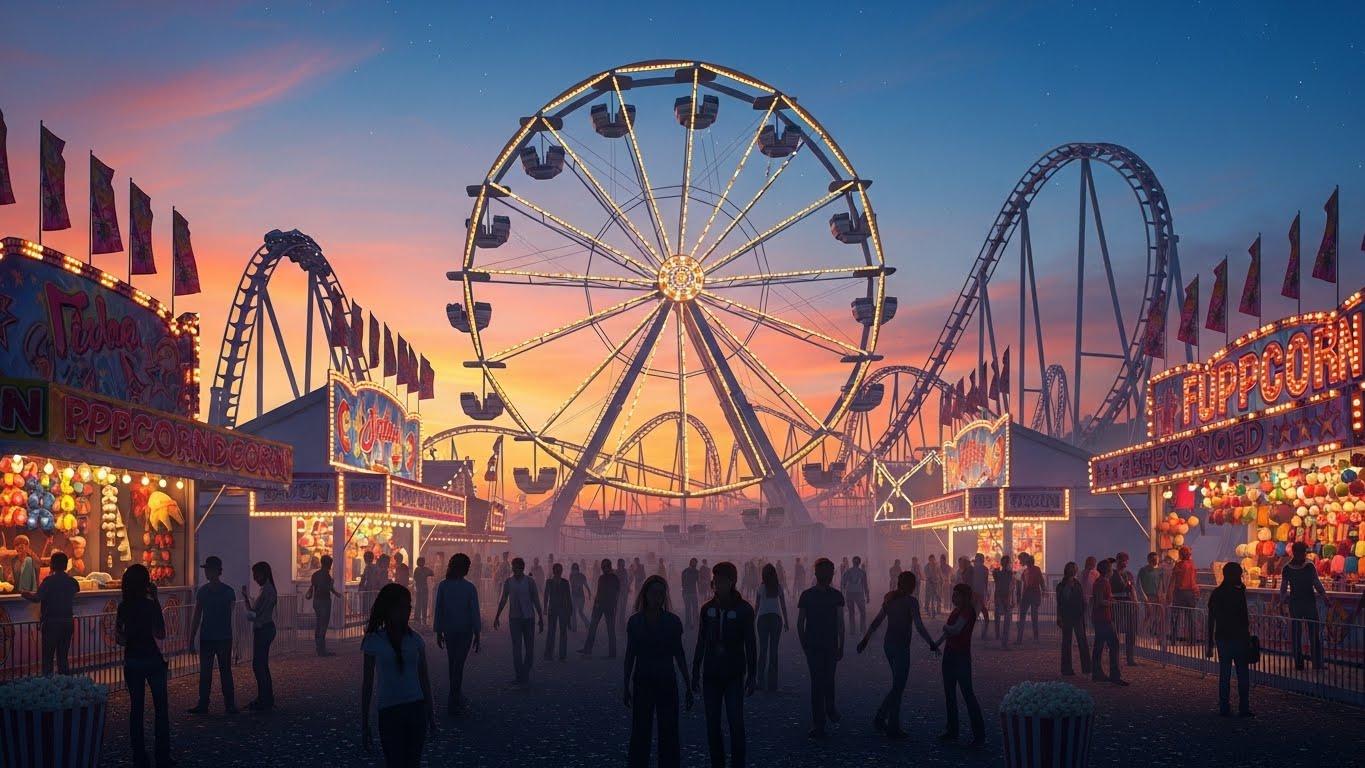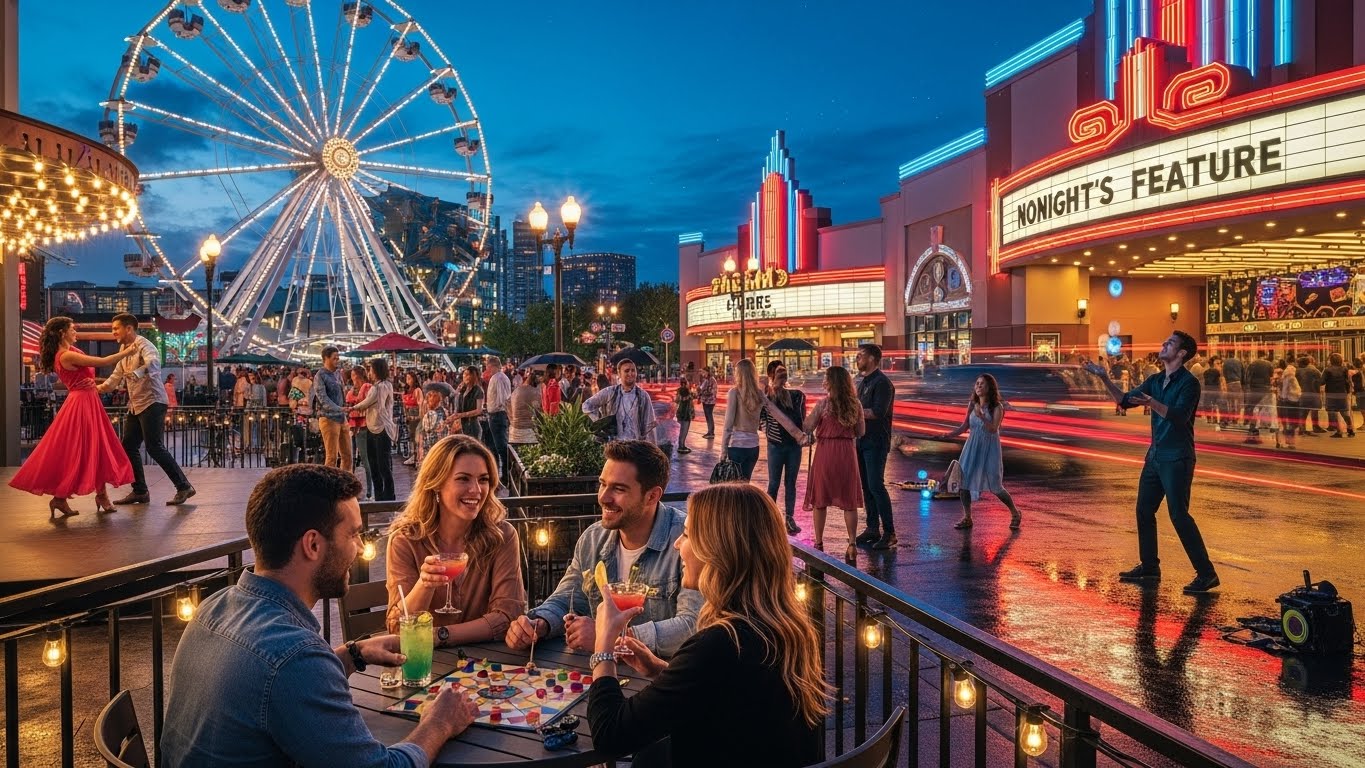
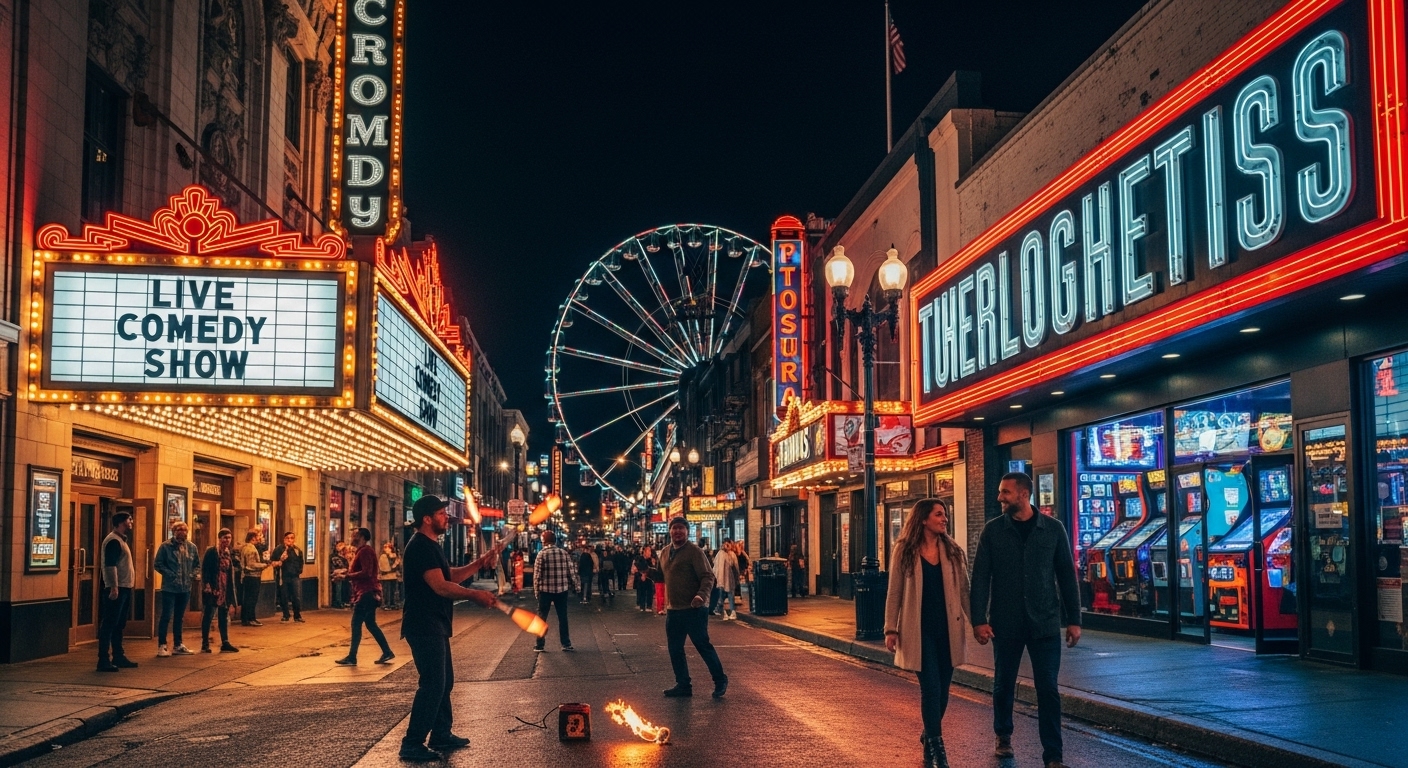
Entertainment is one of the most powerful forces that shape human culture, society, and even individual identity. It is not just about passing time or enjoying a movie, song, or performance; it is about experiencing stories, emotions, and creativity that bring people together. Over centuries, entertainment has evolved from ancient storytelling and theater to digital streaming platforms, virtual reality experiences, and global celebrity culture. In today’s world, entertainment is an industry worth billions, yet its true value lies in the way it connects people and provides joy, relaxation, and inspiration.
This blog explores the many dimensions of entertainment: its history, its different forms, its role in modern society, the rise of technology, the global culture of fandom, and the future trends that will redefine how people enjoy themselves in the years to come.
The Historical Roots of Entertainment
Entertainment is as old as human civilization. In ancient times, entertainment took the form of oral storytelling, dances, and theatrical performances. Communities gathered around fires while elders narrated myths, legends, and tales of gods and heroes. These stories were not only a form of entertainment but also a way to preserve history and culture.
The Greeks developed theater as a structured art form, with tragedies and comedies performed in grand amphitheaters. Roman gladiator fights, while brutal, were also considered entertainment for the masses. In Asia, traditional forms of entertainment like Kabuki theater in Japan, Kathakali dance in India, and Chinese opera became integral cultural experiences that blended performance, music, costume, and storytelling.
With the invention of the printing press, books became widely accessible, opening new doors for entertainment through literature. The 19th and 20th centuries then introduced cinema, radio, and television, revolutionizing how people consumed entertainment by making it more accessible and widespread.
Entertainment as a Reflection of Society
Entertainment has always been more than amusement; it reflects the values, struggles, and dreams of society. For example, the Hollywood movies of the early 20th century showcased ideals of heroism, romance, and the American dream. During times of war, entertainment was used to boost morale, with music, comedy, and films serving as escapes from harsh realities.
In more recent times, entertainment has become a tool for raising awareness about social issues. Films, television shows, and even video games tackle topics like climate change, gender equality, racism, and mental health. What people choose to watch or listen to often mirrors cultural shifts and changing public attitudes.
The Diversity of Entertainment Forms
Entertainment is incredibly diverse, offering something for everyone regardless of age, culture, or preference. Some of the most popular forms include:
Movies and Television
Movies remain one of the most influential forms of entertainment, blending visual storytelling with powerful soundtracks and performances. Television series have also evolved from episodic dramas to complex story arcs that rival cinematic experiences. Streaming platforms have further blurred the lines, giving viewers access to an endless library of films and shows.
Music
Music is universal and timeless. From classical symphonies to modern pop hits, music provides emotional release, cultural expression, and artistic innovation. It is often tied to memory, identity, and shared experiences at concerts or festivals.
Sports
Sports are a unique form of entertainment because they combine competition, skill, and community. Spectators are not just watching athletes; they are emotionally invested in the outcome, cheering for teams and celebrating victories as collective moments.
Gaming
Video games have transformed from simple arcade experiences to expansive virtual worlds. Gaming is no longer just for children; it has become a mainstream form of entertainment for all ages, with competitive esports and streaming platforms creating global communities of fans.
Live Performances
From concerts and stand-up comedy to stage plays and dance shows, live performances create a special connection between the performer and the audience. The shared energy in a live setting cannot be replicated through screens.
Literature and Reading
Books and novels remain one of the oldest yet most personal forms of entertainment. Reading allows people to enter different worlds, learn new perspectives, and stimulate imagination in ways unique to the written word.
The Rise of Digital Entertainment
The 21st century has witnessed an explosion of digital entertainment. The internet has completely transformed the way people consume content. Streaming services allow viewers to watch movies and shows on demand. Music platforms put millions of songs in the palm of a hand. Social media has given rise to influencers, memes, and viral trends that entertain millions every day.
One of the most remarkable aspects of digital entertainment is accessibility. With smartphones, people can carry entertainment with them wherever they go. Gaming, music, videos, podcasts, and even virtual reality experiences are available instantly. This shift has changed not only consumption habits but also production, with independent creators now able to reach global audiences without the backing of big studios.
Celebrity Culture and Fandom
Entertainment has also given rise to celebrity culture. Actors, musicians, athletes, and online creators often become icons who influence fashion, lifestyle, and even social opinions. Fans form communities around their favorite celebrities, sometimes creating entire movements.
Fandoms are more powerful than ever, thanks to social media. A popular show, film, or music release can create global conversations within hours. Fans share art, theories, and discussions, keeping entertainment alive long after its release. While celebrity culture has its critics, it cannot be denied that fandom provides a sense of belonging and excitement for millions worldwide.
The Psychology of Entertainment
Why do humans crave entertainment? Psychologists suggest that entertainment fulfills several emotional and psychological needs. It provides relaxation and stress relief, allowing people to escape from daily challenges. It also satisfies curiosity, offering new experiences and perspectives.
Entertainment also reinforces social bonds. Watching a movie with friends, attending a concert, or cheering for a sports team creates shared memories. At a deeper level, entertainment can be inspirational, motivating individuals to dream bigger or see the world differently.
Challenges in the Entertainment Industry
Despite its appeal, the entertainment industry faces challenges. Piracy, for instance, remains a concern for creators who lose revenue when their work is illegally distributed. The rise of digital platforms has also created fierce competition, with too much content sometimes overwhelming audiences.
Another challenge is representation and diversity. For years, entertainment industries in many regions were criticized for lack of inclusivity in terms of race, gender, and cultural backgrounds. Progress is being made, but it continues to be a key discussion point.
Finally, the influence of entertainment on mental health is debated. While it provides joy and relaxation, excessive screen time or unrealistic portrayals of life can negatively impact viewers, especially young audiences. Balancing entertainment with real life is crucial.
The Role of Technology in Shaping Entertainment
Technology continues to revolutionize entertainment. High-definition graphics, special effects, and sound innovations make movies and games more immersive. Virtual reality allows people to step into digital worlds, while augmented reality adds interactive layers to real-world experiences. Artificial intelligence is even being used to create music, art, and scripts.
Social media platforms are not just spaces for connection; they are now major entertainment hubs. Short video platforms showcase humor, creativity, and trends that capture the attention of millions in minutes. The line between consumer and creator has blurred, as anyone with a phone can produce content and become an entertainer.
Globalization of Entertainment
Entertainment is no longer confined to local cultures. With digital platforms, people can watch shows from Korea, listen to music from Latin America, or enjoy films from India without barriers. This globalization has created a rich exchange of cultures. For instance, K-pop has become a worldwide phenomenon, Bollywood films have international audiences, and Hollywood remains a global powerhouse.
This cultural exchange enriches entertainment by making it diverse and inclusive. Audiences now expect variety and authenticity, pushing creators to explore new themes and voices.
The Future of Entertainment
The future of entertainment is promising and filled with innovation. Virtual reality and augmented reality are expected to become mainstream, offering experiences that are more immersive than ever. Artificial intelligence may shape personalized entertainment, recommending content based on mood, habits, and preferences.
Interactive entertainment will also rise, where audiences are not just passive viewers but participants in the story. Gaming and streaming platforms have already introduced interactive films where viewers make decisions that affect the outcome.
Sustainability will also influence entertainment. Eco-friendly film production, digital concerts that reduce travel, and energy-conscious gaming systems will become part of the industry’s responsibility.
Conclusion
Entertainment is far more than just fun. It is a reflection of humanity’s creativity, a tool for cultural exchange, a means of relaxation, and a bridge connecting people across the globe. From ancient myths told around fires to futuristic virtual realities, entertainment has been a constant companion of human progress.
As technology evolves and societies change, entertainment will continue to adapt, offering fresh experiences while preserving its timeless purpose: to bring joy, inspiration, and connection. In a fast-paced world where stress and challenges are unavoidable, entertainment remains one of the most powerful ways to escape, dream, and celebrate life.