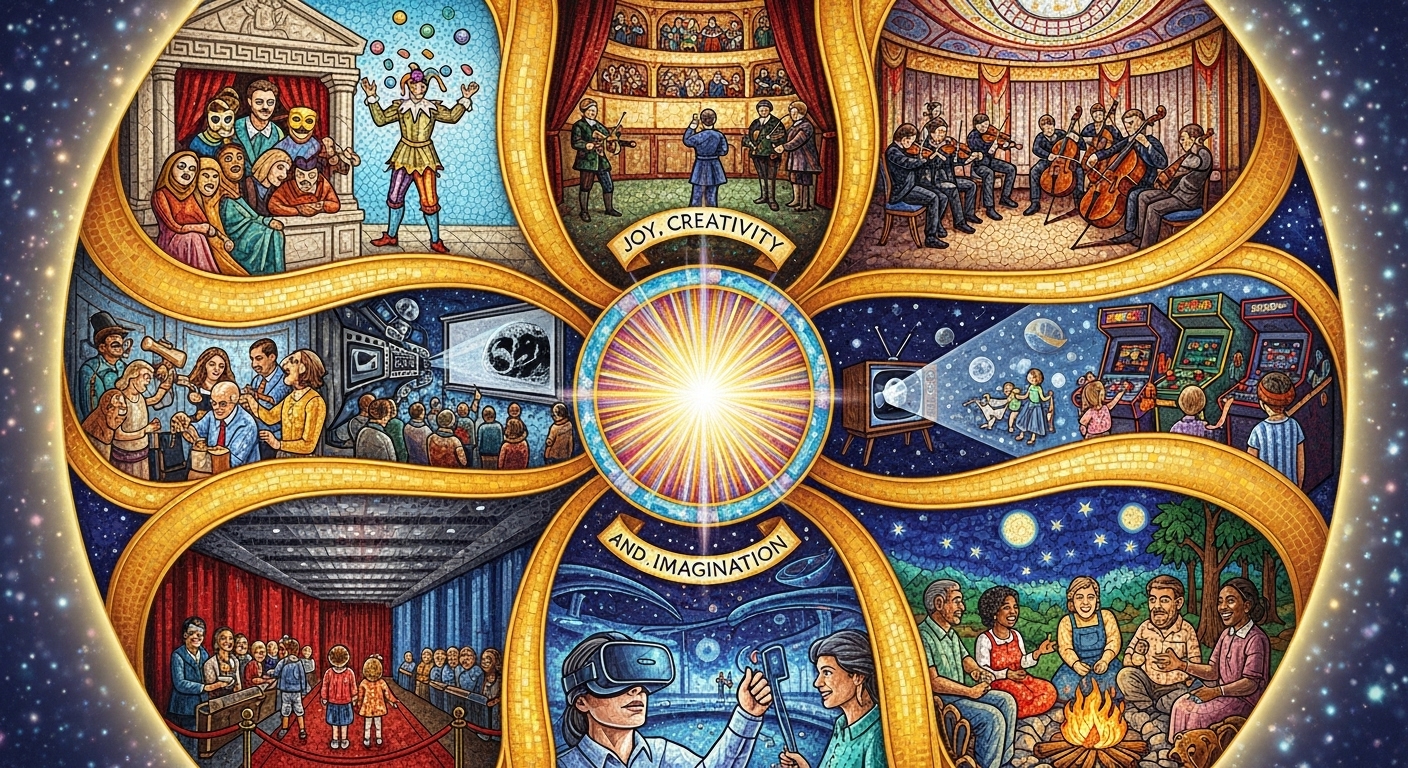
Entertainment has always been a part of human existence. From the ancient days of storytelling around a fire to today’s dazzling world of movies, music, digital platforms, and live performances, entertainment continues to evolve while keeping its main goal the same—to make people feel, think, and dream. It is a force that connects humanity, a language that needs no translation, and a space where imagination meets creativity.
The Roots of Entertainment
Long before the invention of television or the internet, entertainment existed in its purest form—through stories, songs, and performances. Ancient civilizations found joy and meaning in storytelling, dances, and music. The Greeks gave us theater; their plays explored comedy, tragedy, and human emotion. In ancient Egypt, grand performances were held to celebrate gods and pharaohs, while in China, operas became a blend of art, dance, and music.
Even in prehistoric times, cave paintings were more than just drawings—they were a form of visual storytelling meant to share experiences. Humans have always had a deep desire to express and share emotions, and entertainment was born from that need.
The Evolution of Entertainment Through the Ages
As time passed, entertainment grew with society. During the Middle Ages, jesters performed in royal courts to amuse kings and queens, while minstrels sang songs of heroism and love. The Renaissance brought an explosion of creativity, as art, literature, and theater flourished across Europe.
When printing was invented, books became a new form of entertainment, allowing people to explore stories without leaving their homes. The rise of novels in the 18th and 19th centuries transformed literature into a global phenomenon. Later, the invention of photography, radio, and cinema in the 19th and early 20th centuries opened doors to modern entertainment.
Then came the television era—a revolution that brought entertainment into every living room. Families gathered around the TV to watch shows, movies, and sports. It became a shared cultural experience, uniting people across the world through the same screen.
The Digital Revolution
The arrival of the internet changed entertainment forever. What was once limited to cinemas, theaters, and television channels became accessible on-demand. Music could be streamed instantly, movies could be watched at home, and video games turned from simple 2D graphics into fully immersive worlds.
Social media gave rise to a new kind of celebrity—the influencer. Platforms that started as social networks turned into massive entertainment stages where millions performed, created, and connected. YouTube, TikTok, and streaming platforms allowed anyone to become both a creator and a viewer. The power of entertainment shifted from big studios to individuals with creativity and a camera.
The entertainment industry also embraced technology through virtual reality and augmented reality, creating immersive experiences that were once only possible in dreams. Today, audiences are not just spectators; they are part of the story.
The Power of Storytelling
At the heart of every form of entertainment lies storytelling. Whether it is a movie, a song, a novel, or even a video game, the story gives life to the experience. Humans connect through stories—they help us understand emotions, relationships, and the world around us.
Movies like epic dramas or heartwarming comedies show us life from different perspectives. Music tells stories through rhythm and emotion. Even fashion, sports, and art carry narratives of passion, struggle, and triumph. Entertainment uses storytelling to make people laugh, cry, think, and dream.
The Role of Music in Entertainment
Music is one of the oldest and most universal forms of entertainment. It transcends borders, languages, and cultures. From traditional folk tunes to pop anthems, from classical symphonies to hip-hop beats, music has the ability to evoke emotion instantly.
Every generation has its sound. The rock revolution of the 1960s, the disco era of the 1970s, the pop explosion of the 1980s, and the rise of digital music in the 2000s—each reflects the mood and identity of its time. Music also plays a vital role in films, television, and games, creating an emotional connection between the audience and the story.
Concerts, festivals, and live performances show how music can unite thousands of people. A single song can make strangers sing together, creating an energy that words alone cannot describe.
The Magic of Cinema
Few forms of entertainment have had the global impact of cinema. Movies have the power to transport audiences to different worlds, times, and emotions. A well-made film can make people forget their problems, experience love and loss, or dream of possibilities beyond imagination.
From silent films to modern blockbusters, cinema has evolved both technically and artistically. Directors, writers, and actors work together to create a visual and emotional experience that leaves a lasting impact.
Every country has its own film culture—Hollywood, Bollywood, and countless local film industries tell stories that reflect their societies. Cinema doesn’t just entertain; it also educates and inspires. Films often become cultural landmarks that define generations.
The Rise of Television and Streaming
Television was once the centerpiece of family entertainment. Sitcoms, dramas, news shows, and sports broadcasts became part of daily life. Shows created memories that still last today. But as technology progressed, streaming platforms emerged, offering a new kind of convenience—watch what you want, when you want.
Streaming changed the rules. It encouraged long-form storytelling, where characters and plots could develop over many episodes. It also allowed international shows to reach global audiences. Today, people can enjoy Korean dramas, Spanish thrillers, or British comedies with just a click. Entertainment has become truly borderless.
The Gaming Universe
Video games have grown from simple pastimes into one of the biggest sectors of entertainment. What started with pixelated screens and basic sounds has turned into lifelike virtual worlds. Games today offer cinematic experiences, deep storytelling, and interactive play that captivates millions.
Gaming is no longer just for children—it’s a global community where players from around the world connect, compete, and collaborate. Esports has transformed gaming into a professional field, with tournaments watched by millions.
The beauty of gaming lies in its interactivity. Unlike movies, where the audience watches, games allow them to participate. Every decision shapes the outcome, making players a part of the story.
The Influence of Social Media
Social media has reshaped entertainment completely. Celebrities interact directly with fans, and audiences can share, react, and create content instantly. Memes, short videos, live streams, and podcasts have become a new form of modern entertainment.
Influencers and content creators have replaced traditional media stars in many ways. They bring relatability and authenticity, connecting with audiences through humor, lifestyle, or inspiration. Social media has also given rise to trends that shape global culture—from viral dances to challenges and digital art.
Live Entertainment and the Human Connection
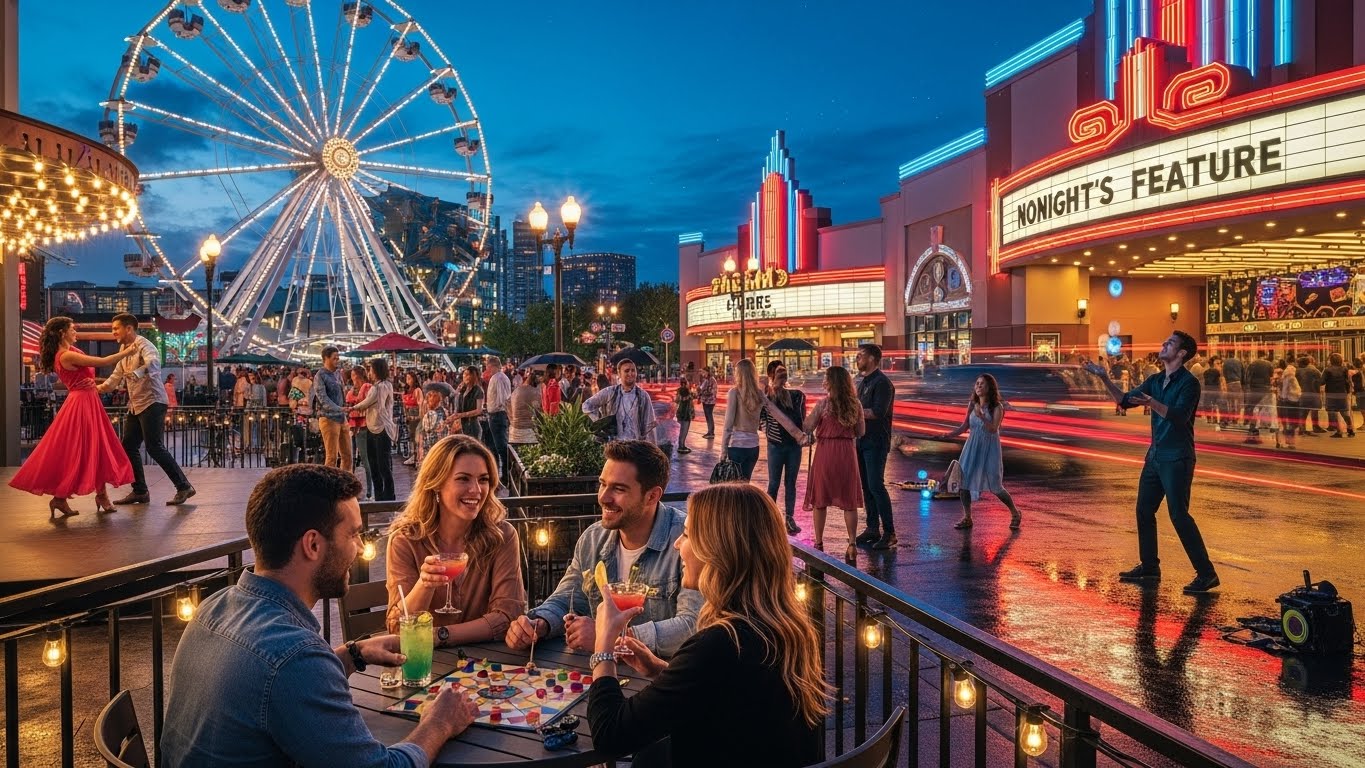
Despite all the digital advancements, live entertainment remains irreplaceable. There’s something magical about being part of an audience—whether at a concert, a theater play, a comedy show, or a sports event. The shared energy, the cheers, and the emotions create a bond that screens can’t replicate.
Theater remains one of the most artistic forms of live entertainment. It combines storytelling, acting, music, and emotion in real time. Sports, too, are a massive form of live entertainment, blending skill, strategy, and excitement in every match.
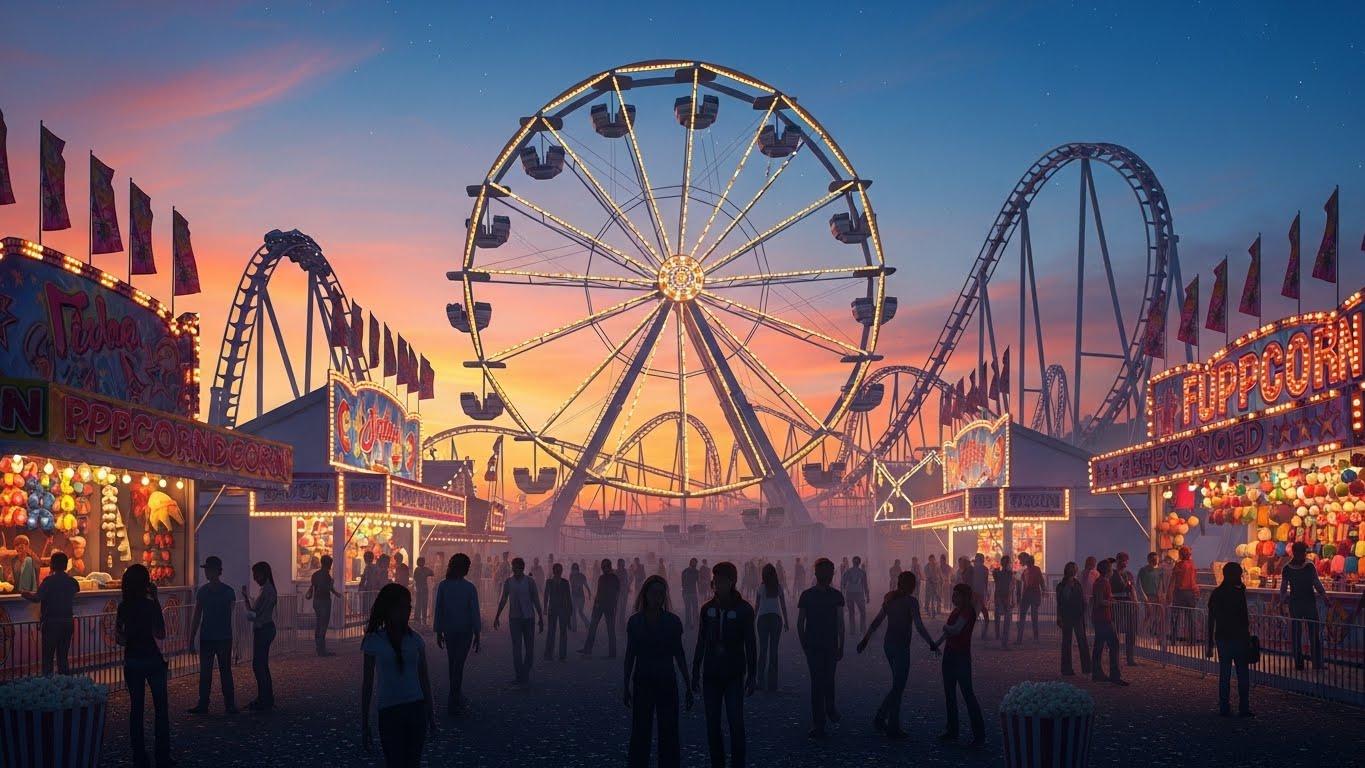
Festivals, cultural events, and carnivals show how entertainment connects communities. They bring color, rhythm, and celebration to life, reminding us of the joy of togetherness.
The Role of Fashion and Art in Entertainment
Entertainment isn’t limited to performance; it extends to how we express ourselves visually. Fashion shows, art exhibitions, and design trends play a huge role in entertainment culture. The red carpet itself is a symbol of glamour and creativity.
Artists, designers, and photographers contribute to entertainment by turning imagination into visual beauty. The worlds of fashion and entertainment often merge, creating unforgettable cultural moments that define eras.
The Business of Entertainment
Behind the lights and laughter, entertainment is also a massive industry. It involves producers, writers, directors, musicians, marketers, and thousands of creative professionals. Every show, movie, or concert is a result of hard work, planning, and innovation.
With globalization, entertainment has become one of the most profitable sectors in the world. Box office hits, streaming rights, merchandise, and live tours generate billions in revenue. Yet, the industry also faces challenges—piracy, competition, and changing audience habits constantly shape its evolution.
The Emotional Impact of Entertainment
Entertainment does more than just amuse—it heals, teaches, and inspires. During tough times, people turn to movies, music, and laughter to find hope. A song can comfort a broken heart; a film can motivate someone to chase dreams; a story can make us understand others better.
Entertainment also helps in spreading awareness about social issues. Through documentaries, songs, and performances, creators address topics like equality, mental health, and climate change. It shows that entertainment can be both enjoyable and meaningful.
The Future of Entertainment
The future of entertainment is filled with limitless possibilities. Artificial intelligence, virtual reality, and holographic performances are already changing the way we experience stories. Imagine attending a concert in your living room or exploring a movie world in 3D space.
Personalized entertainment is also becoming a trend, where algorithms suggest exactly what the audience loves. Interactive films and AI-generated music are just the beginning. The line between reality and imagination continues to blur.
Even with all these advancements, one thing remains constant—the human desire to be entertained. Technology may change the form, but the emotion remains the same.
Conclusion
Entertainment is not just a luxury; it’s a reflection of who we are as humans. It tells our stories, celebrates our emotions, and connects us beyond boundaries. Whether through laughter, music, movies, or games, entertainment gives meaning to moments and brings color to life.
From the first song sung by ancient tribes to the digital spectacles of today, entertainment continues to evolve, adapt, and inspire. It reminds us that no matter how fast the world changes, our need for joy, creativity, and connection will always remain timeless.